- English
- Chinese
- French
- German
- Portuguese
- Spanish
- Russian
- Japanese
- Korean
- Arabic
- Irish
- Greek
- Turkish
- Italian
- Danish
- Romanian
- Indonesian
- Czech
- Afrikaans
- Swedish
- Polish
- Basque
- Catalan
- Esperanto
- Hindi
- Lao
- Albanian
- Amharic
- Armenian
- Azerbaijani
- Belarusian
- Bengali
- Bosnian
- Bulgarian
- Cebuano
- Chichewa
- Corsican
- Croatian
- Dutch
- Estonian
- Filipino
- Finnish
- Frisian
- Galician
- Georgian
- Gujarati
- Hausa
- Hawaiian
- Hebrew
- Hmong
- Hungarian
- Icelandic
- Igbo
- Javanese
- Kannada
- Kazakh
- Khmer
- Kurdish
- Kyrgyz
- Latin
- Latvian
- Lithuanian
- Luxembou..
- Macedonian
- Malagasy
- Malay
- Malayalam
- Maltese
- Maori
- Marathi
- Mongolian
- Burmese
- Nepali
- Norwegian
- Pashto
- Persian
- Punjabi
- Serbian
- Sesotho
- Sinhala
- Slovak
- Slovenian
- Somali
- Samoan
- Scots Gaelic
- Shona
- Sindhi
- Sundanese
- Swahili
- Tajik
- Tamil
- Telugu
- Thai
- Ukrainian
- Urdu
- Uzbek
- Vietnamese
- Welsh
- Xhosa
- Yiddish
- Yoruba
- Zulu
- Kinyarwanda
- Tatar
- Oriya
- Turkmen
- Uyghur




How to Select the Right Expansion Bolts for Steel Tube: A Technical Guide
2026-11-10
- Introduction to Expansion Bolts in Steel Tube Applications
- Understanding the Mechanics of Expansion Anchors in Steel
- Key Factors for Selecting Expansion Bolts for Steel Tubes
- Types of Expansion Bolts Suitable for Steel Tubes
- Material Standards and Quality Certifications
- Installation Best Practices for Steel Tube Connections
- Quality Control and Supplier Evaluation
- Case Studies and Application Scenarios
- Future Trends in Fastener Technology for Steel Structures
- Frequently Asked Questions (FAQ)
- Konklizyon
Summary Selecting the right expansion bolts for steel tube applications requires a precise understanding of load dynamics, material compatibility, and installation constraints. This technical guide details the critical factors for choosing high-performance anchoring solutions, including bolt types, mechanical properties, corrosion resistance standards (GB, ANSI, DIN), and quality verification methods. It also highlights how integrated manufacturing capabilities, such as those offered by Handan Shengtong Fastener Manufacturing Co., Ltd., ensure reliable performance in demanding industrial sectors like construction, machinery, and power infrastructure.
Introduction to Expansion Bolts in Steel Tube Applications
In modern industrial construction, mechanical assembly, and infrastructure development, the integrity of connections is paramount. Steel tubes, widely used in scaffolding, structural frameworks, automotive components, and power transmission towers, require robust fastening solutions that can withstand dynamic loads, vibration, and environmental stress. Expansion bolts for steel tube applications are not merely standard hardware; they are engineered components designed to secure loads to hollow or solid steel structures where traditional welding may be impractical, unsafe, or inefficient.
The challenge lies in the unique geometry and material properties of steel tubes. Unlike solid concrete or masonry, steel tubes have thin walls that can deform under excessive clamping force, and their smooth surfaces offer limited friction for holding power. Therefore, selecting the appropriate expansion anchor involves a careful balance between holding strength, ease of installation, and the preservation of the tube’s structural integrity. This guide provides a comprehensive technical framework for engineers, procurement specialists, and project managers to make informed decisions when specifying expansion bolts for steel tube assemblies.
As industries evolve towards higher precision and stricter safety standards in 2026, the demand for high-quality, customizable fastening solutions has intensified. Manufacturers like Handan Shengtong Fastener Manufacturing Co., Ltd. have risen to meet this demand by integrating advanced cold heading, heat treatment, and surface finishing processes to produce anchors that meet rigorous international standards. Understanding the technical nuances of these products is essential for ensuring long-term reliability and safety in any project involving steel tubular structures.
Understanding the Mechanics of Expansion Anchors in Steel
To select the right fastener, one must first understand how expansion bolts function within the context of steel tubes. Unlike anchors designed for concrete, which rely on the compression of brittle material, anchors for steel tubes often rely on mechanical locking, friction, or deformation of the tube wall itself.
Load Transfer Mechanisms
Expansion bolts for steel tubes typically transfer loads through two primary mechanisms:
- Friction Fit: The bolt expands against the inner or outer surface of the tube, creating significant normal force. The resulting friction resists shear and tensile loads. This method is non-destructive to the tube but requires precise tolerance control.
- Mechanical Interlock: The bolt features sleeves, wings, or threads that physically engage with pre-drilled holes or the internal geometry of the tube. This provides higher load-bearing capacity but may require more complex installation procedures.
In hollow steel tubes, a common challenge is the lack of a solid backing. Standard wedge anchors designed for concrete will fail if used in hollow tubes because there is no material to expand against. Therefore, specialized designs such as toggle bolts, sleeve anchors with internal grips, or through-bolts with backing plates are often required. The choice depends heavily on whether access to the interior of the tube is available.
Stress Distribution and Tube Deformation
Steel tubes, particularly those with thin walls, are susceptible to local deformation. When an expansion bolt is tightened, the radial force exerted by the expanding element can ovalize the tube or cause local buckling. This reduces the structural capacity of the tube and can lead to premature failure of the connection. High-quality expansion bolts are designed to distribute this stress over a larger area, minimizing point loads. Engineers must calculate the maximum allowable clamping force based on the tube’s wall thickness and yield strength to prevent such deformation.
Key Factors for Selecting Expansion Bolts for Steel Tubes
Selecting the appropriate Boulon ekspansyon pou tib asye installations involves evaluating several interrelated technical parameters. Ignoring any of these factors can compromise the safety and longevity of the assembly.
1. Load Requirements: Static vs. Dynamic
The nature of the load is the primary determinant of bolt selection. Loads can be categorized as:
- Static Loads: Constant forces such as the weight of supported equipment or structural elements. Most standard expansion bolts can handle static loads if properly sized.
- Dynamic Loads: Vibrating or impact forces, common in machinery, automotive applications, and wind-loaded structures. Dynamic loads require bolts with high fatigue resistance and features that prevent loosening, such as nylon insert lock nuts or spring washers.
- Shear vs. Tensile Loads: Shear loads act perpendicular to the bolt axis, while tensile loads pull the bolt outwards. Some anchors are optimized for shear (e.g., sleeve anchors), while others excel in tension (e.g., toggle bolts). Many applications involve combined loading, requiring a safety factor that accounts for both.
2. Tube Geometry and Wall Thickness
The dimensions of the steel tube dictate the type of anchor that can be used:
- Wall Thickness: Thin-walled tubes (less than 2mm) generally require through-bolts with large backing washers or internal spreaders to distribute the load. Thick-walled tubes can accommodate self-tapping expansion anchors or heavier-duty sleeve anchors.
- Dyamèt: The curvature of the tube affects the contact area. Smaller diameter tubes have tighter curves, which can reduce the effective contact area of flat-headed bolts, necessitating curved saddles or custom-shaped washers.
- Hollow vs. Solid: If the tube is hollow and accessible from the inside, toggle-style anchors provide superior holding power. If the tube is sealed or inaccessible, external clamping systems or self-drilling anchors that do not require internal access are necessary.
3. Material Compatibility and Galvanic Corrosion
When connecting dissimilar metals, galvanic corrosion can occur, leading to rapid degradation of the fastener. For example, using stainless steel bolts on carbon steel tubes in a humid environment can accelerate corrosion of the carbon steel. It is crucial to match the bolt material to the tube material or use appropriate coatings and insulating washers. Common materials include:
- Carbon Steel: Cost-effective and strong, usually coated with zinc or phosphate for corrosion resistance.
- Stainless Steel (304/316): Ideal for corrosive environments, offering excellent durability but at a higher cost.
- Aluminum: Lightweight and corrosion-resistant, but softer and less suitable for high-load applications.
4. Environmental Conditions
The operating environment significantly influences the choice of surface treatment and material. Outdoor exposures, chemical plants, and marine environments demand higher levels of corrosion protection. Standards such as ASTM B633 for zinc plating or ISO 9227 for salt spray testing provide benchmarks for evaluating coating performance. In 2026, with increasing emphasis on sustainability and longevity, selecting bolts with durable, eco-friendly coatings is becoming a priority for many industries.
Types of Expansion Bolts Suitable for Steel Tubes
Not all expansion anchors are created equal. Below is a detailed analysis of the most common types used in steel tube applications, along with their advantages and limitations.
Sleeve Anchors
Sleeve anchors consist of a bolt, a nut, and a cylindrical sleeve. As the nut is tightened, the sleeve expands against the walls of the pre-drilled hole. They are widely used in medium-to-heavy duty applications.
- Avantaj: Easy to install, good holding power in thick-walled tubes, available in various materials and coatings.
- Limitations: Requires a precise hole size; not suitable for very thin-walled tubes as the expansion force can distort the tube.
- Best For: Structural steel connections, heavy machinery mounting on thick rectangular or circular tubes.
Toggle Bolts and Butterfly Anchors
These anchors feature spring-loaded wings that open up behind the wall of the tube once inserted through a drilled hole. They are ideal for hollow sections where internal access is not possible.
- Avantaj: Excellent tensile strength in hollow materials, minimal stress on the tube wall compared to expansion types.
- Limitations: Requires a larger hole; installation can be tricky if the tube is deep or obstructed; not suitable for shear loads unless supplemented with additional support.
- Best For: Hanging fixtures, light structural supports, and electrical conduit attachments on hollow steel tubes.
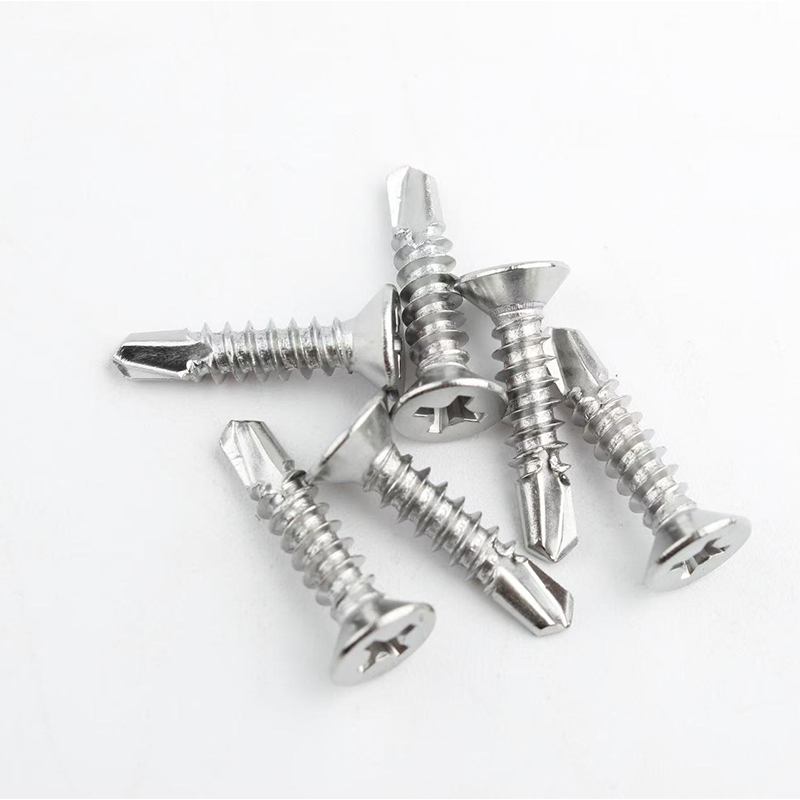
Self-Drilling and Self-Tapping Anchors
These fasteners combine drilling and tapping into a single step. They cut their own threads into the steel tube, creating a tight, friction-based hold. Some variants include an expansion mechanism that spreads the tip inside the tube for added security.
- Avantaj: Fast installation, no pre-drilling required, strong grip in thin-walled tubes.
- Limitations: Can weaken the tube if over-tightened; removal is difficult; limited reusability.
- Best For: HVAC installations, sheet metal framing, and lightweight structural assemblies.
Through-Bolts with Backing Plates
While not strictly “expansion” bolts, through-bolts are often the safest option for critical steel tube connections. They pass completely through the tube and are secured with a nut and a large backing plate or washer on the opposite side.
- Avantaj: Highest load capacity, no risk of tube deformation from expansion forces, easy to inspect.
- Limitations: Requires access to both sides of the tube; more labor-intensive to install.
- Best For: Critical structural joints, high-vibration environments, and heavy-load bearing applications.
| Anchor Type | Best Tube Type | Load Capacity | Installation Complexity | Reusability |
|---|---|---|---|---|
| Sleeve Anchor | Thick-walled, Solid | High | Medium | Low |
| Toggle Bolt | Hollow, Thin-walled | Medium (Tensile) | Medium | Low |
| Self-Drilling | Thin-walled, Sheet | Low to Medium | Low | None |
| Through-Bolt | All Types | Very High | High | High |
Material Standards and Quality Certifications
In B2B procurement and engineering projects, adherence to international standards is non-negotiable. Expansion bolts must meet specific mechanical and chemical requirements to ensure safety and interoperability. Key standards include:
International Standards Overview
- GB (Guobiao): Chinese national standards, widely used in domestic manufacturing and increasingly accepted globally for their rigor. GB/T 3098.1 specifies mechanical properties for bolts, screws, and studs.
- ANSI/ASME: American National Standards Institute and American Society of Mechanical Engineers standards, such as ASME B18.2.1, which define dimensions and tolerances for square and hex bolts.
- DIN (Deutsches Institut für Normung): German standards, known for their precision. DIN 933 and DIN 931 are common references for hexagon head bolts.
- ISO: International Organization for Standardization provides global benchmarks, such as ISO 898-1 for mechanical properties of fasteners made of carbon steel and alloy steel.
Manufacturers like Handan Shengtong Fastener Manufacturing Co., Ltd. ensure their products comply with these stringent standards. Their expansion anchoring series, including white expansion bolts with holes and hexagon floor anchor bolts, are engineered to meet GB, ANSI, and DIN specifications. This compliance guarantees that the bolts possess the necessary tensile strength, yield strength, and hardness for their intended applications.
Importance of Traceability and Testing
For critical applications, it is essential to source bolts from manufacturers who provide material traceability and test reports. Key tests include:
- Tensile Testing: Determines the maximum load the bolt can withstand before breaking.
- Hardness Testing: Ensures the bolt is neither too brittle nor too soft.
- Salt Spray Testing: Evaluates the corrosion resistance of the coating.
- Torque Testing: Verifies the relationship between applied torque and clamp load.
Shengtong Fastener’s integrated production base employs systematic quality control at every stage, from raw material procurement to final inspection. This disciplined approach ensures consistent batch-to-batch performance, a critical factor for large-scale projects where uniformity is key.
Installation Best Practices for Steel Tube Connections
Even the highest quality expansion bolts can fail if installed incorrectly. Proper installation is crucial for achieving the specified load capacity and ensuring long-term reliability.
Step-by-Step Installation Guide
- Surface Preparation: Clean the steel tube surface around the drilling area to remove rust, paint, or debris. This ensures accurate marking and prevents slippage during drilling.
- Marking and Drilling: Mark the exact location of the hole. Use a center punch to create a small indentation, preventing the drill bit from wandering. Select a drill bit size that matches the manufacturer’s recommendations for the specific anchor type. For steel tubes, use high-speed steel (HSS) or cobalt drill bits for optimal performance.
- Deburring: After drilling, remove any burrs from the hole edges using a deburring tool or file. Burrs can prevent the anchor from seating properly and may damage the coating.
- Insertion: Insert the expansion bolt into the hole. For toggle bolts, ensure the wings are folded correctly. For sleeve anchors, tap them gently until they are flush with the surface.
- Tightening: Tighten the nut or screw using a calibrated torque wrench. Do not exceed the recommended torque, as this can strip the threads, deform the tube, or break the bolt. For dynamic applications, consider using thread-locking fluids or lock nuts.
- Inspection: Visually inspect the installation to ensure the anchor is seated correctly and the tube has not deformed. Check for any gaps between the anchor head and the tube surface.
Common Installation Errors to Avoid
- Overtightening: This is the most common cause of failure. It can stretch the bolt beyond its yield point, reducing its holding power, or crush the steel tube wall.
- Undersized Holes: Drilling a hole that is too small can make insertion difficult and may damage the anchor’s expansion mechanism.
- Oversized Holes: A hole that is too large will prevent the anchor from expanding properly, resulting in a loose fit and reduced load capacity.
- Ignoring Torque Specifications: Always follow the manufacturer’s torque recommendations. These are calculated based on the bolt’s material, diameter, and thread pitch.
Quality Control and Supplier Evaluation
Choosing the right supplier is as important as selecting the right product. In the B2B sector, the reliability of the supply chain can impact project timelines and overall quality. When evaluating suppliers for Boulon ekspansyon pou tib asye, consider the following factors:
Manufacturing Capabilities
A reputable supplier should have vertically integrated production capabilities. Handan Shengtong Fastener Manufacturing Co., Ltd., for instance, operates an integrated production base equipped with advanced cold heading, heat treatment, and surface treatment lines. This vertical integration allows for better control over quality, lead times, and costs. It also enables the company to offer comprehensive customization across dimensions, mechanical properties, and surface treatments.
Customization and Flexibility
Standard off-the-shelf bolts may not always meet specific project requirements. Look for suppliers who offer customization services, such as:
- Dimensional Customization: Adjusting length, diameter, and thread pitch to fit unique tube geometries.
- Surface Treatments: Offering various coatings like zinc plating, phosphate coating, and color-specific finishes to match aesthetic or corrosion resistance needs.
- Material Grades: Providing bolts in different strength grades (e.g., Grade 8.8, 10.9, 12.9) to suit varying load requirements.
Shengtong Fastener’s ability to support drawing-based custom development ensures that clients receive solutions tailored precisely to their application requirements, whether for construction, machinery, automotive, or power infrastructure.
Technical Support and Service
Technical expertise is a valuable asset when selecting fasteners. Suppliers who offer technical consultation can help engineers optimize their designs, select the most cost-effective solutions, and troubleshoot installation issues. Shengtong Fastener delivers responsive, value-added service, including technical consultation and coordinated logistics support, ensuring seamless integration into customers’ supply chains.
Case Studies and Application Scenarios
To illustrate the practical application of these principles, consider the following scenarios:
Scenario 1: Scaffolding in Construction
In construction, scaffolding systems often use steel tubes connected by couplers and bolts. The loads are dynamic due to worker movement and wind. Here, high-strength hexagon head bolts with reliable locking mechanisms are essential. The bolts must resist vibration-induced loosening and maintain their clamp load over time. Using bolts with phosphate coating can provide sufficient corrosion resistance for temporary structures, while galvanized bolts are preferred for longer-term installations.
Scenario 2: Automotive Frame Assembly
In the automotive industry, steel tubes are used in chassis and roll cages. Weight reduction is critical, so thin-walled high-strength steel tubes are common. Self-drilling expansion anchors or specialized through-bolts with lightweight backing plates are used to attach components. Precision is paramount, and bolts must meet strict automotive standards for fatigue resistance. Shengtong Fastener’s experience in serving the automotive component supply sector ensures that their products meet these high-precision demands.
Scenario 3: Power Infrastructure Towers
Power transmission towers utilize large-diameter steel tubes subjected to significant static and dynamic loads from wind and ice. Corrosion resistance is critical due to outdoor exposure. Hot-dip galvanized expansion bolts or stainless steel anchors are typically used. The bolts must have high tensile strength and be resistant to hydrogen embrittlement. Compliance with ANSI and DIN standards is often required for international projects. Shengtong Fastener’s broad market presence in power facility construction demonstrates their capability to deliver high-quality, compliant fastening solutions for such demanding applications.
Future Trends in Fastener Technology for Steel Structures
As we progress through 2026, several trends are shaping the future of fastener technology for steel tube applications:
- Smart Fasteners: Integration of sensors to monitor clamp load and detect loosening in real-time. This is particularly useful in critical infrastructure where maintenance access is limited.
- Advanced Coatings: Development of eco-friendly, high-performance coatings that offer superior corrosion resistance without the environmental impact of traditional plating methods.
- Lightweight Materials: Increased use of high-strength alloys and composite materials to reduce weight while maintaining or improving load capacity.
- Automation in Installation: Growth in automated assembly lines that use robotic systems to install fasteners with precise torque control, improving consistency and efficiency.
Manufacturers who invest in research and development, like Shengtong Fastener, are well-positioned to lead these advancements. Their forward-looking vision centers on continuous technological upgrading and capacity expansion, aiming to become a benchmark fastener manufacturer in North China and beyond.
Frequently Asked Questions (FAQ)
Q1: Can I use standard concrete expansion bolts in steel tubes?
No, standard concrete expansion bolts are designed to expand against solid, brittle material. In hollow steel tubes, they will not have anything to expand against and will fail. Use anchors specifically designed for hollow metal, such as toggle bolts, sleeve anchors for thick walls, or through-bolts.
Q2: How do I prevent galvanic corrosion between the bolt and the steel tube?
To prevent galvanic corrosion, use bolts made of the same material as the tube, or use compatible coatings. For example, use galvanized bolts on galvanized tubes. If dissimilar metals must be used, employ insulating washers or sleeves to separate the metals electrically.
Q3: What is the maximum torque I should apply to an expansion bolt in a thin-walled tube?
The maximum torque depends on the bolt size, material, and tube wall thickness. Exceeding the limit can deform the tube. Always refer to the manufacturer’s torque specifications. As a general rule, start with lower torque and increase gradually while monitoring for tube deformation. Using a torque wrench is essential for accuracy.
Q4: Are self-drilling anchors suitable for structural applications?
Self-drilling anchors are generally suitable for light to medium-duty applications. For critical structural connections involving high loads or dynamic forces, through-bolts or heavy-duty sleeve anchors are recommended due to their higher load capacity and reliability.
Q5: How can I verify the quality of expansion bolts before bulk purchase?
Request material certificates and test reports from the supplier. Look for compliance with international standards such as GB, ANSI, or DIN. If possible, conduct sample testing, including tensile and salt spray tests, to verify mechanical properties and corrosion resistance. Choosing a reputable manufacturer with a proven track record, such as Handan Shengtong Fastener Manufacturing Co., Ltd., can also provide assurance of quality.
Konklizyon
Selecting the right Boulon ekspansyon pou tib asye applications is a critical decision that impacts the safety, durability, and performance of your project. By understanding the mechanics of load transfer, evaluating tube geometry, considering environmental factors, and adhering to international standards, you can ensure optimal connection integrity. Whether you are working on construction scaffolding, automotive frames, or power infrastructure, the right fastener solution is available.
Partnering with a reliable manufacturer like Handan Shengtong Fastener Manufacturing Co., Ltd. offers distinct advantages. With their vertically integrated production, comprehensive customization capabilities, and commitment to quality standards (GB, ANSI, DIN), Shengtong Fastener provides high-strength, high-precision fastening solutions tailored to diverse industrial needs. Their responsive service and technical expertise further support seamless project execution, from initial consultation to final delivery.
For engineers and procurement professionals seeking dependable, high-performance expansion anchors, prioritizing quality, compatibility, and supplier reliability is the key to successful outcomes. As industry standards continue to evolve in 2026 and beyond, staying informed and choosing partners who innovate and adhere to best practices will ensure your structures stand the test of time.