- English
- Chinese
- French
- German
- Portuguese
- Spanish
- Russian
- Japanese
- Korean
- Arabic
- Irish
- Greek
- Turkish
- Italian
- Danish
- Romanian
- Indonesian
- Czech
- Afrikaans
- Swedish
- Polish
- Basque
- Catalan
- Esperanto
- Hindi
- Lao
- Albanian
- Amharic
- Armenian
- Azerbaijani
- Belarusian
- Bengali
- Bosnian
- Bulgarian
- Cebuano
- Chichewa
- Corsican
- Croatian
- Dutch
- Estonian
- Filipino
- Finnish
- Frisian
- Galician
- Georgian
- Gujarati
- Hausa
- Hawaiian
- Hebrew
- Hmong
- Hungarian
- Icelandic
- Igbo
- Javanese
- Kannada
- Kazakh
- Khmer
- Kurdish
- Kyrgyz
- Latin
- Latvian
- Lithuanian
- Luxembou..
- Macedonian
- Malagasy
- Malay
- Malayalam
- Maltese
- Maori
- Marathi
- Mongolian
- Burmese
- Nepali
- Norwegian
- Pashto
- Persian
- Punjabi
- Serbian
- Sesotho
- Sinhala
- Slovak
- Slovenian
- Somali
- Samoan
- Scots Gaelic
- Shona
- Sindhi
- Sundanese
- Swahili
- Tajik
- Tamil
- Telugu
- Thai
- Ukrainian
- Urdu
- Uzbek
- Vietnamese
- Welsh
- Xhosa
- Yiddish
- Yoruba
- Zulu
- Kinyarwanda
- Tatar
- Oriya
- Turkmen
- Uyghur




How to Select the Right Home Depot Expansion Bolts for Concrete and Masonry Applications
2026-11-12
- Understanding the Critical Role of Expansion Bolts in Construction
- Decoding Search Intent: Why “Home Depot Expansion Bolts” Is a Starting Point, Not the End
- Types of Expansion Bolts: Mechanisms and Applications
- Key Factors in Selecting the Right Expansion Bolt
- Installation Best Practices for Maximum Performance
- Quality Standards and Certifications: Beyond Retail Grades
- Customization and Specialized Solutions for Industrial Needs
- Procurement Strategy: Evaluating Suppliers for Long-Term Partnership
- FAQ: Common Questions About Expansion Bolts
- Conclusion: Making the Right Choice for Your Project
Summary Selecting the right expansion bolts for concrete and masonry is critical for structural integrity and safety. This comprehensive guide details how to evaluate load requirements, substrate conditions, and environmental factors to choose appropriate anchors. While many DIYers search for “home depot expansion bolts” as a reference for standard sizing and types, professional applications often demand higher precision, custom specifications, and rigorous quality control. We explore the technical differences between wedge anchors, sleeve anchors, and chemical adhesives, providing a decision framework for engineers, contractors, and procurement specialists. Additionally, we highlight how specialized manufacturers like Handan Shengtong Fastener Manufacturing Co., Ltd. offer tailored solutions that exceed general retail standards, ensuring compliance with ANSI, DIN, and GB standards for demanding industrial projects.
Understanding the Critical Role of Expansion Bolts in Construction
Expansion bolts, also known as anchor bolts or expansion anchors, are fundamental components in modern construction and industrial assembly. Their primary function is to create a secure, load-bearing connection between a fixture and a base material, typically concrete, brick, or stone. Unlike standard screws that rely on thread engagement in wood or metal, expansion bolts utilize mechanical force or chemical bonding to generate friction and resistance against pull-out and shear forces within the substrate.
The importance of selecting the correct expansion bolt cannot be overstated. A failure in anchoring can lead to catastrophic structural failures, equipment damage, or safety hazards. Whether securing heavy machinery, installing steel frameworks, or mounting facade elements, the reliability of the connection depends entirely on the compatibility between the anchor type, the base material, and the applied loads. While consumers often look for Kay Depot ekspansyon boulon for small-scale residential repairs, large-scale commercial and industrial projects require a more nuanced approach to selection, considering factors such as dynamic loading, corrosion resistance, and long-term creep behavior.
In this guide, we will dissect the technical parameters that define a high-quality expansion bolt. We will move beyond basic retail categories to discuss the engineering principles behind different anchor designs. By understanding these mechanisms, professionals can make informed decisions that balance cost, performance, and safety. Furthermore, we will examine how partnering with specialized manufacturers like Handan Shengtong Fastener Manufacturing Co., Ltd. can provide access to customized, high-precision fastening solutions that are not available in general hardware stores.
Decoding Search Intent: Why “Home Depot Expansion Bolts” Is a Starting Point, Not the End
When professionals and DIY enthusiasts alike search for terms like “home depot expansion bolts,” they are often seeking a baseline for comparison. Home Depot and similar big-box retailers serve as a convenient reference for standard sizes, common types, and general pricing. However, relying solely on retail availability for professional construction projects can lead to significant limitations. Retail anchors are designed for general-purpose use, often lacking the specific certifications, material grades, and customization options required for specialized industrial applications.
The Limitations of General Retail Anchors
Retail expansion bolts typically come in standardized sizes and materials, such as zinc-plated carbon steel. While sufficient for hanging shelves or light fixtures, these products may not meet the stringent requirements of structural steel connections, seismic zones, or corrosive environments. For instance, a standard retail wedge anchor might not have the necessary documentation for traceability in a certified building project. Additionally, retail options rarely offer custom lengths, diameters, or surface treatments like hot-dip galvanizing or stainless steel grades 316 and 304, which are essential for outdoor or marine applications.
Bridging the Gap to Professional Solutions
For B2B buyers, engineers, and contractors, the goal is to find anchors that meet specific engineering standards such as ANSI, DIN, or GB. This is where specialized manufacturers play a crucial role. Companies like Handan Shengtong Fastener Manufacturing Co., Ltd. focus on the research, development, and precision manufacturing of industrial fasteners. By understanding the limitations of off-the-shelf retail products, professionals can better appreciate the value of sourcing from manufacturers who offer comprehensive customization, rigorous quality control, and technical support. This transition from retail convenience to industrial precision is key to ensuring project success and longevity.
Types of Expansion Bolts: Mechanisms and Applications
Choosing the right expansion bolt begins with understanding the different mechanisms available. Each type of anchor operates on a unique principle to secure itself within the base material. The choice depends largely on the substrate condition, load requirements, and installation constraints.
Wedge Anchors
Wedge anchors are among the most popular mechanical anchors for heavy-duty applications in solid concrete. They consist of a threaded stud, a clip, and a nut. When the nut is tightened, it pulls the stud up through the clip, forcing the clip to expand against the walls of the drilled hole. This creates a powerful mechanical lock.
- Best For: Heavy static loads, structural steel columns, machinery bases.
- Substrate: Solid concrete only. Not suitable for brick or block.
- Avantaj: High load capacity, immediate load-bearing capability, easy installation.
- Limitations: Requires precise hole depth; cannot be removed without damaging the concrete.
Sleeve Anchors
Sleeve anchors are versatile mechanical anchors that can be used in concrete, brick, and block. They feature a cone-shaped expander at the bottom of the bolt. As the bolt is tightened, the cone is pulled into the sleeve, causing the sleeve to expand outward against the base material.
- Best For: Medium-duty applications, masonry walls, hollow blocks.
- Substrate: Concrete, brick, block, stone.
- Avantaj: Versatile across multiple substrates, easy to install, available in various head styles (hex, flat, acorn).
- Limitations: Lower load capacity compared to wedge anchors in solid concrete; requires careful torque control to avoid over-expansion in brittle materials.
Drop-In Anchors
Drop-in anchors are female anchors installed flush with the concrete surface. They require a setting tool to expand the internal plug. Once set, a threaded stud or bolt can be inserted. These are ideal for applications where a protruding bolt head is undesirable.
- Best For: Floor mounts, pipe supports, applications requiring a flush finish.
- Substrate: Solid concrete.
- Avantaj: Flush installation, high shear strength, removable stud.
- Limitations: Requires a special setting tool; hole cleanliness is critical for proper expansion.
Chemical Anchors (Epoxy and Polyester)
Chemical anchors use a resin adhesive to bond a threaded rod or rebar to the base material. Unlike mechanical anchors, they do not rely on expansion forces, making them ideal for cracked concrete or edges where mechanical expansion could cause spalling.
- Best For: Cracked concrete, edge distances, high-vibration environments, water-submerged applications.
- Substrate: Concrete, stone, masonry.
- Avantaj: No expansion stress on substrate, adjustable embedment depth, excellent corrosion resistance if using stainless steel rods.
- Limitations: Longer cure times, sensitive to temperature and hole cleanliness, higher cost.
Plastic and Nylon Anchors
While not suitable for heavy structural loads, plastic expansion anchors are widely used for light-duty fixtures in masonry. They expand when a screw is driven into them, gripping the sides of the hole. Handan Shengtong Fastener Manufacturing Co., Ltd. offers specialized variants such as Yellow pipe plastic expansion anchors, which are engineered for specific light-to-medium duty applications in drywall and masonry, providing a cost-effective solution for non-structural mounting.
Key Factors in Selecting the Right Expansion Bolt
Selecting the appropriate expansion bolt involves a systematic evaluation of several critical factors. Ignoring any of these can compromise the integrity of the installation. The following sections detail the primary considerations for engineers and procurement specialists.
1. Base Material Characteristics
The properties of the base material are the most significant determinant of anchor selection. Concrete strength, age, and condition all play a role.
- Concrete Strength: Most mechanical anchors are rated for specific concrete compressive strengths, typically between 2,000 and 4,000 psi. Using an anchor in weaker concrete than specified can lead to pull-out failure.
- Cracked vs. Non-Cracked Concrete: Mechanical anchors generally require non-cracked concrete. If cracks are present or expected due to seismic activity or thermal cycling, chemical anchors or specialized cracked-concrete-rated mechanical anchors must be used.
- Masonry and Brick: Hollow or brittle materials like brick and block require anchors that distribute load over a larger area, such as sleeve anchors or toggle bolts, to prevent crushing the material.
2. Load Requirements
Understanding the nature and magnitude of the load is essential. Loads are categorized into tension (pull-out), shear (lateral), and combined loads.
| Load Type | Deskripsyon | Recommended Anchor Types |
|---|---|---|
| Tension (Pull-Out) | Force pulling the anchor directly out of the substrate. | Wedge anchors, Chemical anchors, Drop-in anchors. |
| Shear | Force applied perpendicular to the anchor axis, trying to slide the fixture. | Wedge anchors, Sleeve anchors, Undercut anchors. |
| Dynamic/Vibration | Fluctuating loads caused by machinery or wind. | Chemical anchors, Nylon-insert lock nuts with mechanical anchors. |
| Static | Constant, unchanging load. | Most mechanical anchors are suitable. |
It is crucial to apply appropriate safety factors. Industry standards often recommend a safety factor of 4:1 or higher for static loads and even higher for dynamic or seismic loads. Always consult engineering tables provided by the manufacturer to determine the allowable load capacities.
3. Environmental Conditions
The environment where the anchor will be installed dictates the required material and coating. Exposure to moisture, chemicals, or extreme temperatures can lead to corrosion and failure.
- Indoor/Dry: Zinc-plated carbon steel is usually sufficient. This is a common finish for many standard Kay Depot ekspansyon boulon.
- Outdoor/Wet: Hot-dip galvanized steel or stainless steel (Grade 304) is recommended to resist rust.
- Marine/Chemical: Stainless Steel Grade 316 is essential for high-corrosion environments, such as coastal areas or chemical plants.
- High Temperature: Standard epoxy chemical anchors may fail at high temperatures. Specialized high-temperature resins or mechanical anchors should be used.
Handan Shengtong Fastener Manufacturing Co., Ltd. supports comprehensive customization across surface treatments, including zinc plating, phosphate coating, and color-specific finishes. This ensures that the fasteners align precisely with application requirements, whether for indoor machinery or outdoor infrastructure.
4. Edge Distance and Spacing
The distance from the anchor to the edge of the concrete (edge distance) and the distance between adjacent anchors (spacing) significantly affect load capacity. If an anchor is too close to an edge, the concrete may spall or break out under load. Similarly, anchors placed too close together can interfere with each other’s stress cones, reducing overall capacity. Manufacturers provide minimum edge distance and spacing guidelines, which must be strictly followed. In cases where space is limited, undercut anchors or chemical anchors are preferred as they generate less radial stress.
Installation Best Practices for Maximum Performance
Even the highest quality expansion bolt will fail if installed incorrectly. Proper installation is as critical as proper selection. The following steps outline best practices for installing mechanical expansion bolts in concrete and masonry.
Step 1: Drilling the Hole
Use a hammer drill with a carbide-tipped bit that matches the diameter specified by the anchor manufacturer. The hole diameter must be precise; too large, and the anchor will not expand properly; too small, and the anchor may not fit or could damage the concrete during insertion. The hole depth should be slightly deeper than the anchor length to allow for dust accumulation and ensure full embedment.
Step 2: Cleaning the Hole
This is the most commonly overlooked step. Concrete dust and debris prevent the anchor from seating fully and reduce friction. Use a wire brush, compressed air, or a vacuum pump to clean the hole thoroughly. For chemical anchors, cleaning is even more critical, often requiring brushing and blowing multiple times to ensure a clean bonding surface.
Step 3: Inserting the Anchor
Insert the anchor into the hole. For wedge anchors, ensure the clip is properly positioned. For sleeve anchors, insert the entire assembly. Tap the anchor gently with a hammer until it reaches the bottom of the hole. Ensure that the anchor is perpendicular to the surface.
Step 4: Tightening and Expansion
Tighten the nut using a torque wrench. As the nut is tightened, the anchor expands. It is crucial to follow the manufacturer’s recommended torque values. Over-tightening can strip the threads or crush the concrete, while under-tightening may result in insufficient expansion and load capacity. For wedge anchors, you will feel a sudden increase in resistance when the wedge sets. Stop tightening once the recommended torque is reached.
Common Installation Errors to Avoid
- Using the Wrong Drill Bit: Worn or incorrect bits create oversized holes.
- Inadequate Hole Cleaning: Dust acts as a lubricant, reducing holding power.
- Over-Torquing: Can damage the anchor or the base material.
- Installing in Cracked Concrete: Unless specifically rated, mechanical anchors should not be used in cracked zones.
- Ignoring Cure Times: For chemical anchors, failing to wait for the full cure time before loading can lead to catastrophic failure.
Quality Standards and Certifications: Beyond Retail Grades
In professional construction and industrial applications, adherence to international standards is non-negotiable. While retail products may meet basic consumer safety guidelines, industrial fasteners must comply with rigorous standards such as ANSI (American National Standards Institute), DIN (Deutsches Institut für Normung), and GB (Guobiao – Chinese National Standards).
Importance of Standard Compliance
Standards define the mechanical properties, dimensions, and testing procedures for fasteners. For example, ANSI/ASME B18.2.6 specifies the requirements for metric hex cap screws, while DIN 933 covers hexagon head screws. Compliance ensures that the fastener performs consistently under specified loads and conditions. It also provides a basis for liability and insurance in case of failure.
Handan Shengtong’s Commitment to Quality
Handan Shengtong Fastener Manufacturing Co., Ltd. operates an integrated production base equipped with advanced cold heading, heat treatment, and surface treatment lines. The company implements standardized process management aligned with ISO-influenced best practices. Every stage—from raw material procurement to final inspection—is subject to systematic quality control. This disciplined approach ensures consistent dimensional accuracy, tensile strength, torque performance, and corrosion resistance.
All products from Shengtong Fastener are engineered to meet stringent domestic and international standards, including GB, ANSI, and DIN. This commitment to quality allows them to serve as a reliable partner for industries demanding high-strength, high-precision fastening solutions, such as construction, machinery, automotive, and power infrastructure. Unlike generic retail options, Shengtong’s products undergo rigorous testing to ensure stable batch-to-batch performance, supporting both standard-volume and large-scale order fulfillment with reliable lead times.
Customization and Specialized Solutions for Industrial Needs
One of the key advantages of working with a specialized manufacturer like Handan Shengtong Fastener Manufacturing Co., Ltd. is the ability to customize fasteners to meet specific project requirements. Off-the-shelf Kay Depot ekspansyon boulon offer limited variety, but industrial projects often demand unique solutions.
Dimensional Customization
Projects may require non-standard lengths, diameters, or thread pitches. Shengtong Fastener supports comprehensive customization across dimensions, allowing engineers to design connections that fit perfectly within spatial constraints. This is particularly important in retrofitting projects or complex machinery installations where standard sizes do not fit.
Material and Mechanical Property Customization
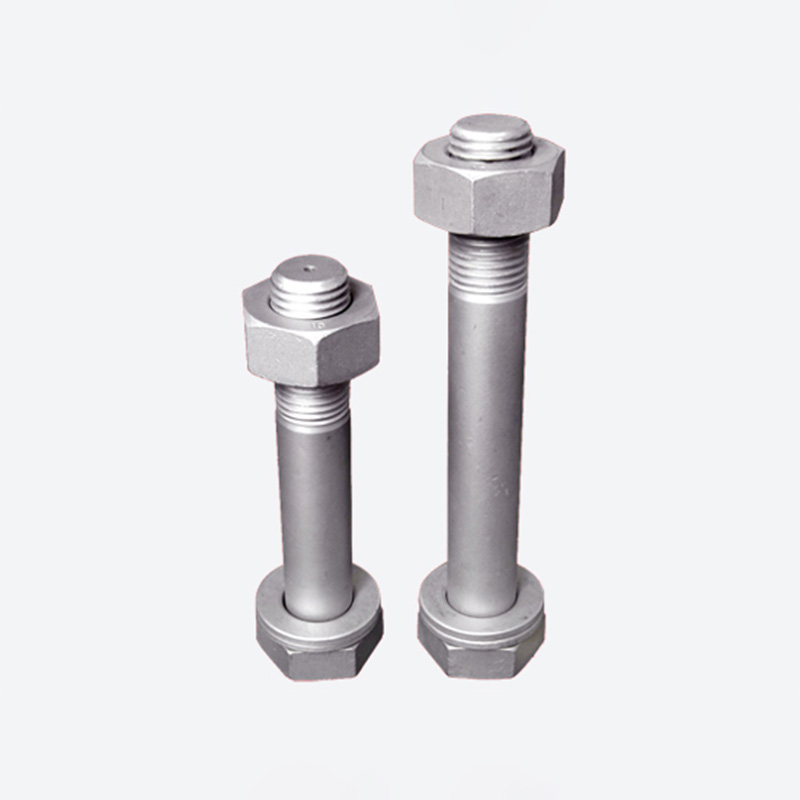
Different applications require different mechanical grades. For high-stress applications, high-strength hexagon head bolts and nuts are essential. Shengtong offers products with varying mechanical properties to match the load requirements. Their product portfolio includes High-strength hexagon head bolts and High-strength hexagonal head nuts, which are designed for demanding sectors such as steel structure engineering and power facility construction.
Surface Treatment and Corrosion Resistance
Surface treatment is critical for longevity. Shengtong Fastener offers various surface treatments, including zinc plating, phosphate coating, and color-specific finishes. For example, their White bugle head self-tapping screws and White expansion bolts with holes provide both aesthetic appeal and corrosion resistance for visible applications. For harsh environments, more robust coatings can be applied to ensure the fasteners withstand exposure to moisture, chemicals, and UV radiation.
Specialized Product Variants
Beyond standard expansion bolts, Shengtong’s portfolio spans seven principal categories, including Self-drilling series, Rigging series, and Lead screw series. Specific products like Hexagon Floor Anchor bolts and Yellow pipe plastic expansion anchors address niche needs in flooring and piping installations. This breadth of product offerings ensures that customers can source all their fastening needs from a single, reliable supplier, streamlining procurement and logistics.
Procurement Strategy: Evaluating Suppliers for Long-Term Partnership
For B2B buyers, selecting the right supplier is as important as selecting the right product. A reliable supplier ensures consistent quality, timely delivery, and technical support. Here are key factors to consider when evaluating fastener manufacturers.
1. Manufacturing Capability and Infrastructure
Assess the supplier’s production capabilities. Do they have in-house cold heading, heat treatment, and surface finishing lines? Vertically integrated production, like that of Handan Shengtong, allows for better quality control and faster turnaround times. It also reduces dependency on third-party processors, minimizing the risk of quality inconsistencies.
2. Quality Control Systems
Inquire about the supplier’s quality control protocols. Do they perform regular tensile strength tests, torque tests, and salt spray tests for corrosion resistance? Are their processes aligned with ISO standards? A supplier with a robust QC system can provide certification and test reports, which are essential for compliance in regulated industries.
3. Customization and Technical Support
Can the supplier handle custom orders? Do they offer technical consultation and drawing-based custom development? Shengtong Fastener delivers responsive, value-added service, including technical consultation and packaging optimization. This level of support helps customers integrate fasteners seamlessly into their supply chains and solve complex engineering challenges.
4. Delivery and Logistics
Reliable lead times and on-time delivery rates are crucial for project scheduling. Evaluate the supplier’s track record for fulfilling large-scale orders. Shengtong’s coordinated logistics support ensures that products reach the job site when needed, preventing costly delays.
5. Reputation and Experience
Look for suppliers with a proven track record in your industry. Shengtong Fastener has cultivated long-term collaborative relationships with leading enterprises in steel structure engineering, wood structure assembly, and mechanical equipment manufacturing. Their experience in these sectors demonstrates their ability to meet the high demands of professional clients.
FAQ: Common Questions About Expansion Bolts
Can I use expansion bolts in brick or hollow block?
Standard wedge anchors are not suitable for brick or hollow block as they require solid material to expand against. For these substrates, use sleeve anchors, toggle bolts, or chemical anchors. Sleeve anchors distribute the load over a larger area, reducing the risk of crushing the brittle material. Always check the manufacturer’s specifications for substrate compatibility.
What is the difference between zinc-plated and stainless steel expansion bolts?
Zinc-plated bolts are cost-effective and suitable for indoor, dry environments. However, they are prone to rust in wet or humid conditions. Stainless steel bolts (Grade 304 or 316) offer superior corrosion resistance and are ideal for outdoor, marine, or chemical environments. While more expensive, stainless steel ensures longer service life and reduced maintenance costs in harsh conditions.
How do I determine the correct size of expansion bolt?
The size depends on the load requirements and the thickness of the fixture being secured. Consult engineering load tables provided by the manufacturer. Generally, larger diameters and deeper embedment depths provide higher load capacities. Ensure the bolt length is sufficient to pass through the fixture, washer, and nut, and embed deeply enough into the base material. A common rule of thumb is an embedment depth of at least 7-10 times the bolt diameter, but always verify with specific product data.
Are “home depot expansion bolts” suitable for structural applications?
While retail anchors can be strong, they may not come with the necessary engineering documentation or certifications required for structural applications. For critical structural connections, it is recommended to use anchors from specialized manufacturers who provide detailed technical data, load tables, and compliance with standards like ANSI or DIN. This ensures that the anchors meet the rigorous safety requirements of structural engineering.
Can expansion bolts be removed and reused?
Most mechanical expansion bolts are not designed to be removed and reused. Removing them often damages the concrete or the anchor itself. Drop-in anchors allow for the removal of the stud, but the body remains in the concrete. If removability is required, consider using undercut anchors with removable studs or chemical anchors with threaded rods that can be unscrewed, although the hole will need to be filled if reused.
Conclusion: Making the Right Choice for Your Project
Selecting the right expansion bolts for concrete and masonry applications is a critical decision that impacts the safety, durability, and success of your project. While searching for Kay Depot ekspansyon boulon provides a useful starting point for understanding basic types and sizes, professional and industrial applications demand a deeper level of expertise and customization. By carefully evaluating base material conditions, load requirements, environmental factors, and installation practices, you can ensure a secure and long-lasting connection.
For projects that require high-strength, high-precision, and functionally diverse fastening solutions, partnering with a specialized manufacturer like Handan Shengtong Fastener Manufacturing Co., Ltd. offers significant advantages. Their vertically integrated production capabilities, commitment to international standards (GB, ANSI, DIN), and comprehensive customization options ensure that you receive fasteners tailored to your specific needs. From high-strength hexagon head bolts to specialized plastic anchors, Shengtong’s diverse product portfolio and responsive service support make them a reliable partner for industries ranging from construction to power infrastructure.
Ultimately, the right choice balances technical performance with practical considerations. Whether you are securing heavy machinery or installing architectural elements, investing in quality fasteners and proper installation practices pays dividends in safety and longevity. For further information on customized fastening solutions and to explore how Shengtong Fastener can support your next project, visit Handan Shengtong Fastener Manufacturing Co., Ltd. to connect with their team of experts.