- Chinese
- French
- German
- Portuguese
- Spanish
- Russian
- Japanese
- Korean
- Arabic
- Irish
- Greek
- Turkish
- Italian
- Danish
- Romanian
- Indonesian
- Czech
- Afrikaans
- Swedish
- Polish
- Basque
- Catalan
- Esperanto
- Hindi
- Lao
- Albanian
- Amharic
- Armenian
- Azerbaijani
- Belarusian
- Bengali
- Bosnian
- Bulgarian
- Cebuano
- Chichewa
- Corsican
- Croatian
- Dutch
- Estonian
- Filipino
- Finnish
- Frisian
- Galician
- Georgian
- Gujarati
- Haitian
- Hausa
- Hawaiian
- Hebrew
- Hmong
- Hungarian
- Icelandic
- Igbo
- Javanese
- Kannada
- Kazakh
- Khmer
- Kurdish
- Kyrgyz
- Latin
- Latvian
- Lithuanian
- Luxembou..
- Macedonian
- Malagasy
- Malay
- Malayalam
- Maltese
- Maori
- Marathi
- Mongolian
- Burmese
- Nepali
- Norwegian
- Pashto
- Persian
- Punjabi
- Serbian
- Sesotho
- Sinhala
- Slovak
- Slovenian
- Somali
- Samoan
- Scots Gaelic
- Shona
- Sindhi
- Sundanese
- Swahili
- Tajik
- Tamil
- Telugu
- Thai
- Ukrainian
- Urdu
- Uzbek
- Vietnamese
- Welsh
- Xhosa
- Yiddish
- Yoruba
- Zulu
- Kinyarwanda
- Tatar
- Oriya
- Turkmen
- Uyghur




Bolt and Nut Series: Wholesale Prices & OEM Supplier
2026-11-04
- Understanding the Bolt and Nut Series: Core Components and Standards
- Technical Specifications and Material Grades
- Surface Treatments and Corrosion Resistance
- Strategic Sourcing: Wholesale Prices and OEM Capabilities
- Application-Specific Selection Guide
- Common Mistakes in Fastener Procurement
- FAQ: Frequently Asked Questions About Bolt and Nut Series
- Conclusion: Securing Quality and Value in Your Supply Chain
A bolt and nut series refers to a standardized collection of threaded fasteners designed to work in tandem, providing secure mechanical joints across industrial applications. These assemblies vary by thread pitch, head style, material grade, and coating to meet specific load-bearing and environmental requirements. For B2B buyers, sourcing from a specialized OEM supplier like Handan Shengtong Fastener Manufacturing Co., Ltd. ensures access to high-precision, wholesale-priced solutions tailored for construction, automotive, and machinery sectors. This guide details selection criteria, technical specifications, and procurement strategies to optimize supply chain efficiency in 2026.
Understanding the Bolt and Nut Series: Core Components and Standards
The integrity of any mechanical assembly relies heavily on the compatibility and quality of its fastening components. A bolt and nut series is not merely a random pairing; it is an engineered system governed by international standards such as ISO, DIN, ANSI, and JIS. Understanding these standards is critical for engineers and procurement managers to ensure structural safety and operational longevity.
Defining the Mechanical Relationship
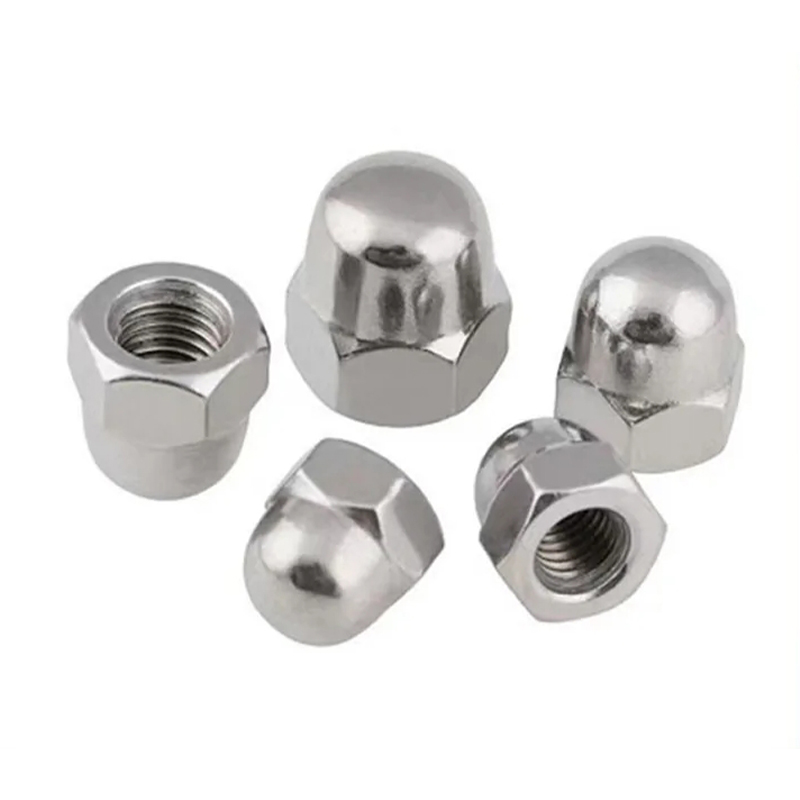
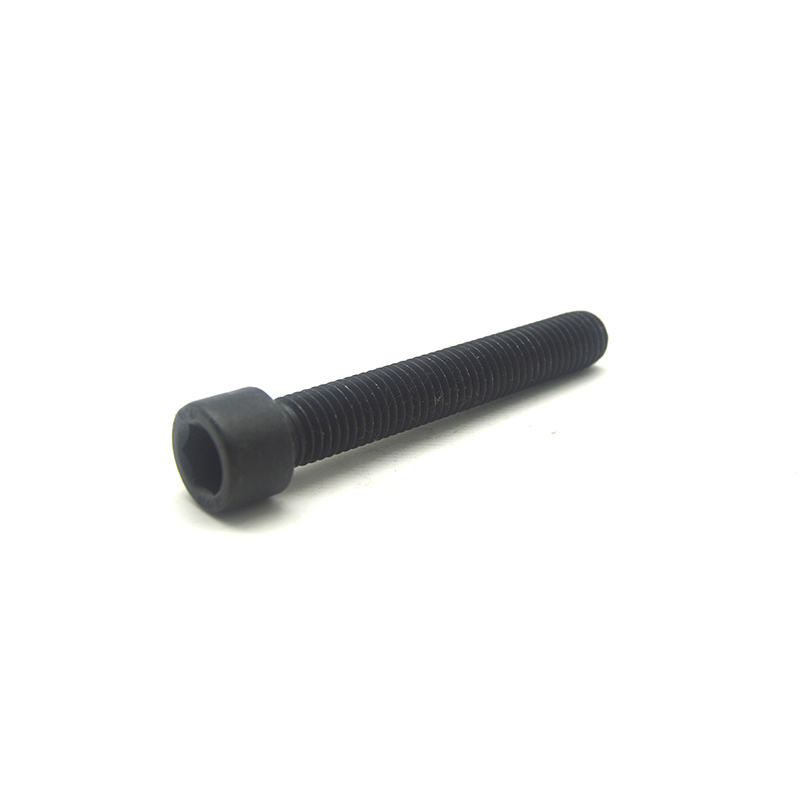
Bolts act as the male component with external threading, while nuts serve as the female counterpart with internal threading. When tightened, they create a clamping force that holds materials together. The “series” aspect implies a comprehensive range of sizes, grades, and finishes available from a single manufacturer, allowing for streamlined inventory management and consistent quality control.
In industrial contexts, the term often encompasses various configurations:
- Hex Bolts and Hex Nuts: The most common type, used for general-purpose fastening in construction and machinery.
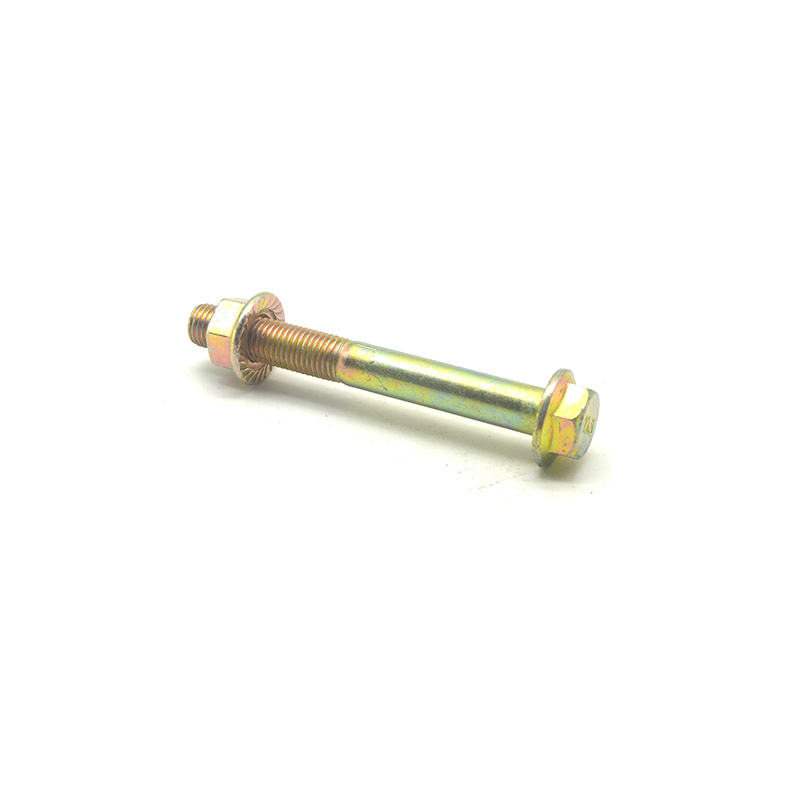
- Flange Bolts and Nuts: Featuring an integrated washer-like base to distribute load over a wider area, reducing the need for separate washers.
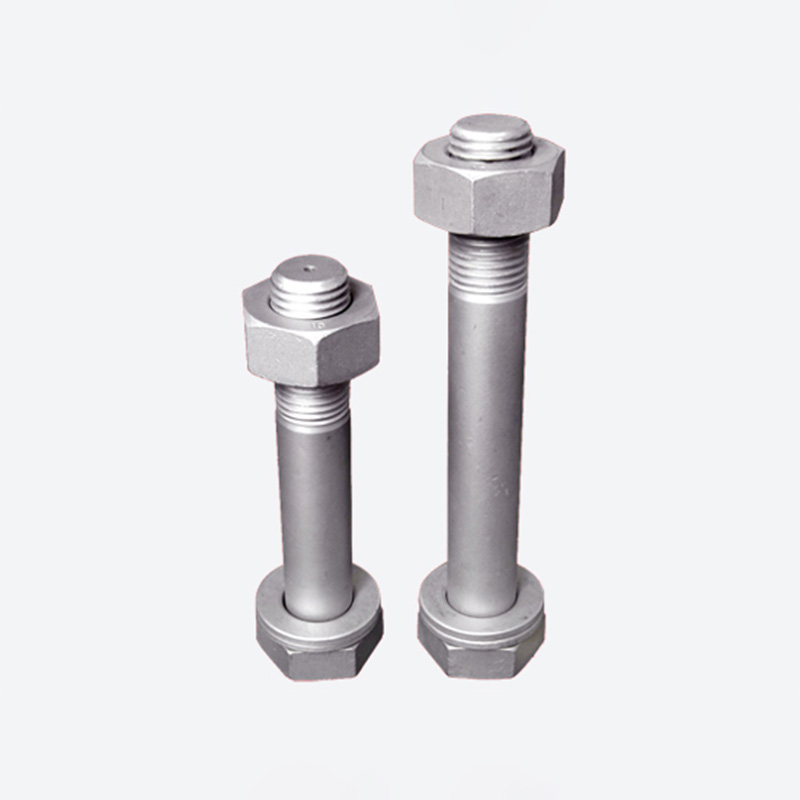
- Heavy Hex Series: Designed for high-stress applications requiring greater tensile strength and bearing surface.
- Structural Bolts (A325/A490): Specifically engineered for steel-to-steel connections in building frameworks.
Key Industry Standards in 2026
Global trade demands adherence to recognized specifications. In 2026, the dominant standards influencing the bolt and nut series include:
- ISO 898: Specifies mechanical properties for fasteners made of carbon steel and alloy steel.
- DIN 931/933: German standards widely accepted in European and Asian markets for hex head bolts.
- ASTM A307/A325: American standards for carbon steel and high-strength structural bolts.
- JIS B 1180: Japanese Industrial Standards, crucial for automotive and precision machinery exports.
Manufacturers like Handan Shengtong Fastener Manufacturing Co., Ltd. align their production lines with these global benchmarks. Established in 2018 in Handan City, Hebei Province—a hub for China’s fastener industry—the company focuses on R&D and production that meets these rigorous international criteria. This alignment ensures that every bolt and nut series produced is compatible with global engineering projects.
Technical Specifications and Material Grades
Selecting the right bolt and nut series requires a deep understanding of material science and mechanical properties. The performance of a fastener is determined by its grade, which indicates its tensile strength, yield strength, and hardness.
Material Composition and Strength Classes
Carbon steel remains the primary material for industrial fasteners due to its balance of strength and cost. However, application environments dictate specific material choices:
- Grade 4.8 / Class 4.6: Low carbon steel, suitable for general, non-critical applications.
- Grade 8.8 / Class 8.8: Medium carbon steel, quenched and tempered. This is the standard for heavy machinery and automotive assemblies.
- Grade 10.9 / Class 10.9: Alloy steel, offering high tensile strength for structural steelwork and high-vibration environments.
- Grade 12.9 / Class 12.9: The highest standard strength for metric bolts, used in critical engineering structures.
- Stainless Steel (A2/A4): Essential for corrosive environments, such as marine applications or chemical processing plants.
Handan Shengtong adheres to a “Quality first, customer supreme” philosophy, ensuring that each grade undergoes strict testing. Their commitment to high-strength, high-precision products means that buyers can trust the mechanical integrity of every batch, whether for power infrastructure or automotive manufacturing.
Thread Pitch and Tolerance
Thread pitch—the distance between threads—significantly affects holding power. Coarse threads are preferred for quick assembly and resistance to stripping, while fine threads offer greater precision and higher clamping force in limited spaces. Tolerance classes (e.g., 6g for bolts, 6H for nuts) define the fit. A proper fit minimizes play and reduces the risk of loosening under dynamic loads.
| Property Class | Material Type | Min. Tensile Strength (MPa) | Typical Application |
|---|---|---|---|
| 4.8 | Low Carbon Steel | 400 | General assembly, light fixtures |
| 8.8 | Medium Carbon Steel (Q&T) | 800 | Automotive engines, machinery frames |
| 10.9 | Alloy Steel | 1040 | Structural steel, bridges, heavy equipment |
| 12.9 | Alloy Steel | 1220 | Critical high-stress joints |
| A2-70 | Stainless Steel 304 | 700 | Food processing, outdoor structures |
Surface Treatments and Corrosion Resistance
In 2026, environmental regulations and durability requirements have elevated the importance of surface treatments. A bolt and nut series must resist corrosion to maintain joint integrity over time. The choice of coating depends on the operating environment and cost constraints.
Common Coating Technologies
- Zinc Plating (Electroplated): Provides basic corrosion resistance and a bright finish. Suitable for indoor use.
- Hot-Dip Galvanizing (HDG): Offers superior protection for outdoor structures like power towers and bridges. The thicker zinc layer withstands harsh weather but alters thread dimensions slightly, requiring oversized nuts.
- Geomet/Dacromet: Zinc-flake coatings that provide excellent corrosion resistance without hydrogen embrittlement risks. Ideal for automotive and high-strength applications.
- Black Oxide: Aesthetic finish with minimal corrosion resistance, often used with oil for indoor machinery.
Handan Shengtong Fastener Manufacturing Co., Ltd. employs advanced coating technologies to meet diverse industry needs. Their production capabilities allow for customized surface treatments that align with specific project requirements, ensuring that fasteners used in power and construction industries remain reliable under extreme conditions.
Strategic Sourcing: Wholesale Prices and OEM Capabilities
For B2B buyers, securing a reliable supply chain is as important as product quality. Partnering with an OEM supplier offers distinct advantages in terms of cost, customization, and consistency.
Advantages of OEM Partnerships
Original Equipment Manufacturer (OEM) relationships allow businesses to specify exact dimensions, materials, and packaging. This customization is vital for industries like automotive and specialized machinery where off-the-shelf components may not fit unique design constraints.
- Cost Efficiency: Direct manufacturing eliminates middlemen, offering competitive wholesale prices.
- Consistency: Single-source production ensures uniform quality across large volumes.
- Customization: Ability to produce non-standard sizes or specialized head styles.
- Lead Time Control: Direct communication with the factory allows for better planning and expedited orders.
Why Choose Handan Shengtong?
Located in Handan City, a strategic base for China’s fastener industry, Handan Shengtong Fastener Manufacturing Co., Ltd. leverages regional supply chain efficiencies to offer competitive pricing without compromising quality. Since its establishment in 2018, the company has evolved into a modern manufacturing enterprise specializing in R&D, production, and sales.
Their focus on diversified fastener solutions makes them an ideal partner for sectors ranging from construction to power generation. By adhering to strict quality controls and embracing modern manufacturing techniques, they provide high-precision products that meet the demanding standards of international clients. Their business philosophy centers on delivering value through reliability and precision, making them a trusted source for wholesale bolt and nut series.
Application-Specific Selection Guide
Different industries require specific types of bolt and nut series. Selecting the wrong type can lead to joint failure, safety hazards, and increased maintenance costs.
Construction and Infrastructure
Structural integrity is paramount. High-strength bolts (Grade 10.9 and 12.9) with hot-dip galvanizing are standard for steel frameworks, bridges, and power transmission towers. These fasteners must withstand dynamic loads and environmental exposure.
Automotive Industry
Automotive applications demand precision and vibration resistance. Fine-thread bolts with Geomet coating are common to prevent loosening and corrosion. Lightweight yet strong alloys help reduce vehicle weight, contributing to fuel efficiency.
Machinery and Equipment
Industrial machinery operates under high vibration and thermal cycling. Flange bolts and self-locking nuts are frequently used to maintain clamp load. Materials must resist wear and fatigue over extended operational periods.
Power and Energy Sector
Power plants and renewable energy installations require fasteners that can endure extreme temperatures and corrosive environments. Stainless steel and specialized alloy bolts are essential for turbines, solar mounts, and substations.
Common Mistakes in Fastener Procurement
Even experienced buyers can make errors that compromise project success. Avoiding these pitfalls ensures optimal performance and cost-effectiveness.
- Mismatched Grades: Using a low-grade nut with a high-grade bolt can cause the nut to strip before the bolt reaches its full tension capacity. Always match or exceed the bolt grade with the nut.
- Ignoring Thread Fit: Assuming all metric threads are interchangeable can lead to cross-threading. Verify pitch and diameter specifications carefully.
- Overlooking Coating Compatibility: Certain coatings react poorly with specific environments. For example, standard zinc plating fails quickly in marine settings.
- Neglecting Torque Specifications: Improper tightening can lead to under-clamping (loosening) or over-clamping (bolt stretching/breaking). Follow manufacturer torque guidelines.
FAQ: Frequently Asked Questions About Bolt and Nut Series
What is the difference between a bolt and a screw?
A bolt is designed to pass through unthreaded holes and is secured with a nut, creating a clamping force. A screw typically mates with a pre-formed internal thread or creates its own thread in the material. In industrial contexts, bolts are preferred for disassemblable, high-strength joints.
How do I determine the correct bolt length?
The bolt length should be sufficient to pass through all joined materials plus the thickness of the washer (if used) and allow at least 1.5 to 2 thread pitches to extend beyond the nut. This ensures full engagement and maximum holding power.
Can I mix different brands of bolts and nuts?
While technically possible if standards match, it is not recommended. Variations in manufacturing tolerances and thread profiles between brands can lead to poor fit and reduced joint integrity. Sourcing a complete bolt and nut series from a single OEM like Handan Shengtong ensures perfect compatibility.
What is the shelf life of coated fasteners?
Properly stored in dry, indoor conditions, coated fasteners can last several years without significant degradation. However, zinc-plated fasteners may develop white rust if exposed to humidity. Hot-dip galvanized and Geomet-coated fasteners offer longer shelf stability.
Why is Handan considered a key location for fastener manufacturing?
Handan City in Hebei Province is a historic and industrial hub for fastener production in China. It offers a concentrated supply chain, skilled labor, and established logistics networks, enabling manufacturers like Handan Shengtong to produce high-quality products efficiently and cost-effectively.
Conclusion: Securing Quality and Value in Your Supply Chain
In the competitive landscape of 2026, selecting the right bolt and nut series is a strategic decision that impacts product safety, durability, and overall project cost. Understanding technical specifications, material grades, and surface treatments empowers buyers to make informed choices. Partnering with a reputable OEM supplier ensures consistency, customization, and competitive wholesale pricing.
Handan Shengtong Fastener Manufacturing Co., Ltd. stands out as a reliable partner for businesses seeking high-strength, high-precision fastener solutions. With a commitment to quality and customer satisfaction, they provide tailored products for construction, machinery, automotive, and power industries. Their expertise in R&D and modern manufacturing processes guarantees that every fastener meets international standards.
For procurement managers and engineers looking to optimize their supply chain, evaluating suppliers based on technical capability and production transparency is essential. By choosing a dedicated manufacturer, you secure not just components, but a partnership dedicated to your project’s success.
To explore specific product parameters, request a quote, or discuss custom OEM requirements, contact our technical team today. Discover how our tailored fastener solutions can enhance your operational efficiency.