- Chinese
- French
- German
- Portuguese
- Spanish
- Russian
- Japanese
- Korean
- Arabic
- Irish
- Greek
- Turkish
- Italian
- Danish
- Romanian
- Indonesian
- Czech
- Afrikaans
- Swedish
- Polish
- Basque
- Catalan
- Esperanto
- Hindi
- Lao
- Albanian
- Amharic
- Armenian
- Azerbaijani
- Belarusian
- Bengali
- Bosnian
- Bulgarian
- Cebuano
- Chichewa
- Corsican
- Croatian
- Dutch
- Estonian
- Filipino
- Finnish
- Frisian
- Galician
- Georgian
- Gujarati
- Haitian
- Hausa
- Hawaiian
- Hebrew
- Hmong
- Hungarian
- Icelandic
- Igbo
- Javanese
- Kannada
- Kazakh
- Khmer
- Kurdish
- Kyrgyz
- Latin
- Latvian
- Lithuanian
- Luxembou..
- Macedonian
- Malagasy
- Malay
- Malayalam
- Maltese
- Maori
- Marathi
- Mongolian
- Burmese
- Nepali
- Norwegian
- Pashto
- Persian
- Punjabi
- Serbian
- Sesotho
- Sinhala
- Slovak
- Slovenian
- Somali
- Samoan
- Scots Gaelic
- Shona
- Sindhi
- Sundanese
- Swahili
- Tajik
- Tamil
- Telugu
- Thai
- Ukrainian
- Urdu
- Uzbek
- Vietnamese
- Welsh
- Xhosa
- Yiddish
- Yoruba
- Zulu
- Kinyarwanda
- Tatar
- Oriya
- Turkmen
- Uyghur



Buy 2 Stainless Steel Self Tapping Screws | Wholesale Price
2026-11-04
- What Are 2 Stainless Steel Self-Tapping Screws?
- Material Grades: 304 vs. 316 Stainless Steel
- Technical Specifications and Dimensions
- Head Styles and Drive Types
- Applications of 2 Stainless Steel Self-Tapping Screws
- Installation Best Practices
- Why Choose Handan Shengtong Fastener Manufacturing Co., Ltd.?
- FAQ: Frequently Asked Questions About Stainless Steel Self-Tapping Screws
- Selection Guide for B2B Buyers
- Conclusion
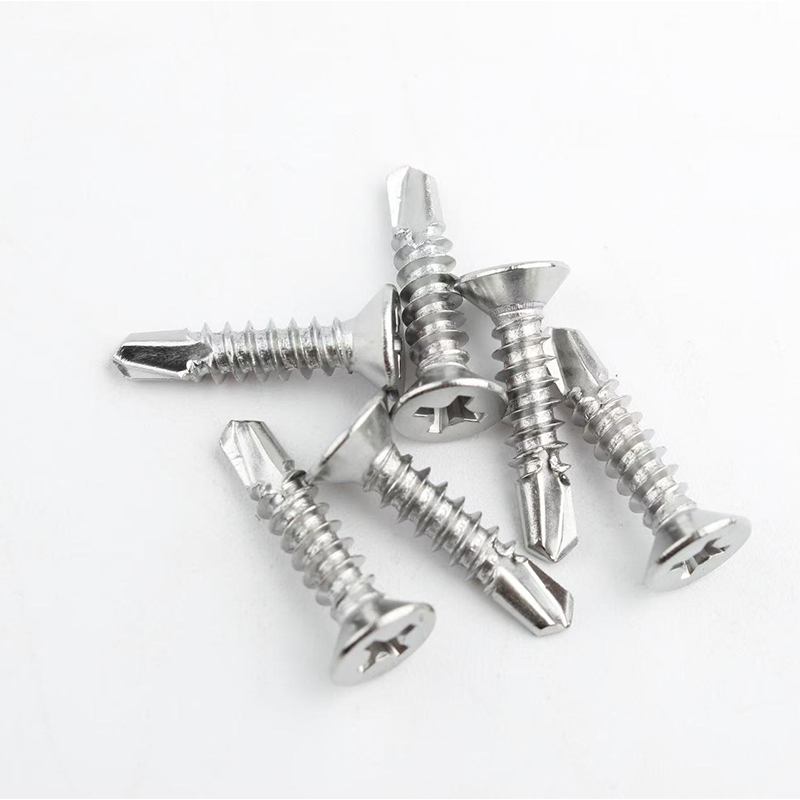
2 stainless steel self-tapping screws are precision-engineered fasteners designed to create their own threads when driven into materials such as metal, plastic, or wood. Unlike standard machine screws that require a pre-tapped hole or nut, these screws feature a sharp, tapered point and aggressive thread geometry that cuts or forms mating threads during installation. Constructed from high-grade stainless steel—typically AISI 304 or 316—they offer superior resistance to corrosion, oxidation, and chemical exposure. This makes them indispensable in harsh environments ranging from marine applications to outdoor construction projects. For B2B buyers, sourcing these components involves evaluating thread pitch, head style, drive type, and material grade to ensure structural integrity and longevity. Handan Shengtong Fastener Manufacturing Co., Ltd. specializes in producing these high-precision fasteners, adhering to strict international standards to meet the diverse needs of the construction, automotive, and machinery sectors.
What Are 2 Stainless Steel Self-Tapping Screws?
The term “2 stainless steel self-tapping screws” generally refers to self-tapping screws with a #2 size designation or those suitable for specific gauge applications, manufactured from stainless steel alloys. In the fastener industry, precise sizing is critical. The number “2” often correlates with screw gauge sizes (such as #2, #4, #6, #8, etc.) or specific diameter measurements depending on regional standards. However, in a broader commercial context, buyers often search for this term when looking for small-to-medium diameter stainless steel self-tappers used in sheet metal assembly, HVAC systems, and electronic enclosures.
Self-tapping screws differ fundamentally from self-drilling screws. While self-drilling screws have a drill-bit-like tip that penetrates material without a pilot hole, self-tapping screws typically require a pre-drilled pilot hole. Once the pilot hole is established, the screw’s threads cut into the material, forming a tight, secure fit. This mechanism ensures high holding power and resistance to vibration loosening.
Key Characteristics of Stainless Steel Self-Tappers
- Thread Formation: The threads are designed to displace material rather than remove it, creating a strong interference fit.
- Material Integrity: Stainless steel provides inherent strength without the need for plating, eliminating the risk of coating chipping or peeling.
- Corrosion Resistance: The chromium content in stainless steel forms a passive oxide layer that protects against rust, crucial for long-term durability.
- Vibration Resistance: The tight thread engagement reduces the likelihood of the screw backing out under dynamic loads.
Material Grades: 304 vs. 316 Stainless Steel
When purchasing 2 stainless steel self-tapping screws, understanding the difference between grade 304 and grade 316 is essential for application success. Both are austenitic stainless steels, but their chemical compositions dictate their performance in different environments.
| Feature | AISI 304 Stainless Steel | AISI 316 Stainless Steel |
|---|---|---|
| Composition | 18% Chromium, 8% Nickel | 16% Chromium, 10% Nickel, 2% Molybdenum |
| Corrosion Resistance | Excellent for general atmospheric conditions | Superior, especially against chlorides and acids |
| Cost | More cost-effective | Higher premium due to Molybdenum content |
| Typical Applications | Indoor machinery, dry construction, automotive interiors | Marine environments, chemical processing, coastal construction |
| Magnetic Properties | Generally non-magnetic (may become slightly magnetic after cold working) | Non-magnetic |
For most industrial applications in inland areas, AISI 304 is the standard choice due to its balance of cost and performance. However, for projects exposed to saltwater, de-icing salts, or harsh chemicals, AISI 316 is the mandatory specification to prevent premature failure due to pitting corrosion.
Technical Specifications and Dimensions
Selecting the correct dimensions for 2 stainless steel self-tapping screws requires attention to diameter, length, thread pitch, and head configuration. Incorrect sizing can lead to stripped threads, material cracking, or insufficient clamping force.
Diameter and Gauge
In the imperial system, screw diameters are often denoted by gauge numbers. A #2 screw is relatively small, often used in electronics or light-gauge sheet metal. Larger diameters like #8, #10, or 1/4 inch are common in construction. The diameter determines the shear strength of the fastener. For heavy-duty structural connections, larger diameters are preferred.
Length Selection
The length of the screw must be sufficient to penetrate the base material adequately. A general rule of thumb is that the screw should engage at least three full threads in the receiving material. If the screw is too short, it will pull out under load. If it is too long, it may bottom out or damage components behind the joint.
Thread Pitch and Type
Self-tapping screws come in various thread types:
- Type A: Sharp point, wide thread spacing. Suitable for thin sheet metal, brass, aluminum, and soft plastics.
- Type AB: Blunt point, finer thread spacing. Versatile for use in both thin and thick sheet metal, as well as harder plastics.
- Type B: Blunt point, machine-screw-like threads. Requires a pre-tapped hole or is used in castings and heavy-gauge metals.
- Type F: High-low thread design. Specifically engineered for plastics to reduce stress cracking and improve hold.
Head Styles and Drive Types
The head style and drive type determine how the screw is installed and the aesthetic finish of the assembly. Choosing the right combination is vital for both functionality and appearance.
Common Head Styles
- Pan Head: Low profile with a flat bearing surface. Provides good clamp area and is widely used in sheet metal applications.
- Hex Washer Head: Combines a hex head with an integrated washer. Ideal for high-torque applications and sealing holes in roofing or siding.
- Flat Head (Countersunk): Tapers to allow the screw to sit flush with the material surface. Essential for applications where protrusion is unacceptable.
- Truss Head: Extra-wide head with a low profile. Distributes load over a larger area, preventing pull-through in soft materials.
Drive Types
- Phillips (PH): Common but prone to cam-out (slipping) under high torque.
- Pozidriv (PZ): Similar to Phillips but with additional ribs for better grip and reduced cam-out.
- Square (Robertson): Excellent torque transfer and self-centering properties. Popular in electrical and construction industries.
- Torx (Star): Six-point star design. Offers the highest torque transfer and minimal wear on the driver bit. Increasingly preferred in automotive and aerospace manufacturing.
Applications of 2 Stainless Steel Self-Tapping Screws
The versatility of stainless steel self-tapping screws makes them a staple across multiple industries. Their ability to resist environmental degradation while providing strong mechanical joints ensures reliability in critical applications.
Construction and Building Envelopes
In construction, these screws are used for attaching metal roofing, siding, and gutters. The stainless steel composition prevents rust stains from bleeding onto building facades, maintaining aesthetic appeal. Hex washer heads are particularly popular here for their sealing capabilities.
Automotive and Transportation
Vehicles are subject to constant vibration and exposure to road salts and moisture. Stainless steel self-tappers secure trim panels, engine components, and undercarriage parts. Their resistance to corrosion ensures that safety-critical fasteners do not degrade over the vehicle’s lifespan.
HVAC Systems
Heating, ventilation, and air conditioning systems involve ductwork made of galvanized or stainless steel. Self-tapping screws provide quick and secure assembly of duct sections. The material compatibility prevents galvanic corrosion, which can occur when dissimilar metals are joined.
Electronics and Enclosures
Small gauge stainless steel self-tappers are used to assemble electronic housings, control panels, and server racks. Precision threading ensures that delicate plastic or thin metal casings are not stripped during assembly. Torx drives are often specified to prevent damage to small screw heads during repetitive manufacturing processes.
Marine and Offshore
For boats, docks, and offshore platforms, AISI 316 stainless steel screws are mandatory. They withstand constant exposure to salt spray and humidity. Using lower-grade materials in these environments leads to rapid failure and potential structural hazards.
Installation Best Practices
Proper installation is crucial to maximize the performance of 2 stainless steel self-tapping screws. Even the highest quality fastener can fail if installed incorrectly. Follow these steps to ensure optimal results.
Step-by-Step Installation Guide
- Select the Correct Pilot Hole Size: The pilot hole diameter should be slightly smaller than the screw’s major diameter. Refer to manufacturer charts for specific recommendations based on material thickness and screw size. A hole that is too large will result in poor thread engagement; a hole that is too small may cause the screw to break or the material to crack.
- Choose the Right Driver Bit: Ensure the driver bit matches the screw drive type exactly. A worn or mismatched bit can strip the screw head, making removal difficult and compromising the joint.
- Set Torque Limits: Use a clutch-controlled screwdriver or torque wrench. Stainless steel is softer than hardened steel, so excessive torque can strip the threads or shear the screw. Start with a lower torque setting and adjust as needed.
- Drive Perpendicularly: Keep the screwdriver perpendicular to the work surface. Angled driving creates uneven stress on the threads and can lead to bending or breaking the screw.
- Avoid Over-Driving: Stop driving once the head is seated firmly against the material. Over-driving can strip the formed threads or damage the material surface.
Common Installation Errors to Avoid
- Using Carbon Steel Bits on Stainless Screws: Stainless steel work-hardens. Using low-quality bits can lead to rapid bit wear and heat buildup, which affects the screw’s temper.
- Ignoring Material Thickness: Attempting to self-tap into material that is too thick without a proper pilot hole can cause screw fracture.
- Cross-Threading: Starting the screw at an angle can cut incorrect threads, weakening the connection. Always start slowly to establish the thread path.
Why Choose Handan Shengtong Fastener Manufacturing Co., Ltd.?
Established in 2018, Handan Shengtong Fastener Manufacturing Co., Ltd. has rapidly grown into a key player in China’s fastener industry. Located in Handan City, Hebei Province—a renowned hub for fastener production—the company leverages regional expertise and advanced manufacturing capabilities to deliver superior products.
As a modern manufacturing enterprise, Handan Shengtong specializes in the research and development, production, and sales of high-quality fasteners. The company’s philosophy of “Quality first, customer supreme” is not just a slogan but a operational standard. Every batch of 2 stainless steel self-tapping screws undergoes rigorous quality control checks to ensure dimensional accuracy, material consistency, and mechanical performance.
Commitment to High-Strength and High-Precision Solutions
Handan Shengtong serves a diverse range of industries, including construction, machinery, automotive, and power generation. The company understands that each sector has unique requirements. For instance, automotive clients demand high precision and consistency, while construction clients prioritize volume and corrosion resistance. Handan Shengtong’s diversified product line and flexible production lines allow them to meet these varied demands effectively.
The company invests in advanced cold-forming and heat-treatment technologies to enhance the strength and durability of its fasteners. By controlling the entire production process from raw material selection to final packaging, Handan Shengtong ensures traceability and reliability. This vertical integration allows for competitive wholesale pricing without compromising on quality, making them an ideal partner for B2B buyers seeking value and performance.
FAQ: Frequently Asked Questions About Stainless Steel Self-Tapping Screws
Can stainless steel self-tapping screws be used in aluminum?
Yes, they can. However, care must be taken to avoid galvanic corrosion, although it is less severe than with carbon steel. Using a lubricant or anti-seize compound can help prevent galling, which is a common issue when threading stainless steel into aluminum due to friction heat.
Do I need a pilot hole for self-tapping screws?
Yes, unlike self-drilling screws, self-tapping screws generally require a pilot hole. The pilot hole guides the screw and reduces the torque required for installation, preventing screw breakage and material distortion.
What is the difference between self-tapping and self-drilling screws?
Self-tapping screws cut threads into a pre-drilled hole. Self-drilling screws have a drill point that creates the hole and then cuts the threads in one step. Self-drilling screws are faster to install but may not provide the same level of precision in thin or delicate materials.
Are stainless steel screws stronger than carbon steel screws?
Generally, high-carbon steel screws are harder and have higher tensile strength than standard austenitic stainless steel (304/316). However, stainless steel offers superior corrosion resistance. For high-strength applications requiring corrosion resistance, specialized stainless alloys or heat-treated stainless screws are available.
How do I prevent stainless steel screws from seizing?
Stainless steel tends to gall or seize due to friction-induced welding. To prevent this, use a lubricant such as wax, oil, or anti-seize compound during installation. Additionally, driving the screw at a slower speed reduces heat buildup.
What is the shelf life of stainless steel screws?
Stainless steel screws do not have a defined shelf life as they do not rust under normal storage conditions. However, they should be stored in a dry environment to prevent surface contamination from dust or other corrosive agents.
Selection Guide for B2B Buyers
For procurement managers and engineers, selecting the right supplier and product specifications is critical. Here are key factors to consider when buying 2 stainless steel self-tapping screws in bulk.
1. Verify Material Certification
Ensure the supplier provides Material Test Reports (MTRs) confirming the chemical composition of the stainless steel. This guarantees that you are receiving genuine 304 or 316 grade material, not inferior substitutes.
2. Assess Manufacturing Capabilities
Look for manufacturers with automated production lines and quality control systems. Handan Shengtong, for example, utilizes modern R&D and production facilities to maintain consistent quality across large batches.
3. Consider Total Cost of Ownership
While unit price is important, consider the total cost of ownership. Higher quality screws reduce installation time, minimize rework due to stripped threads, and extend the lifespan of the assembled product. Cheap screws often lead to higher long-term costs.
4. Evaluate Supply Chain Reliability
Choose a supplier with a proven track record of on-time delivery and responsive customer service. A reliable partner ensures that your production lines keep running without interruption due to material shortages.
Conclusion
2 stainless steel self-tapping screws are essential components for creating durable, corrosion-resistant joints in a wide variety of industrial and commercial applications. Whether you are assembling HVAC systems, constructing marine vessels, or manufacturing automotive parts, the quality of your fasteners directly impacts the integrity of your final product. Understanding the nuances of material grades, thread types, and installation practices empowers buyers to make informed decisions.
Handan Shengtong Fastener Manufacturing Co., Ltd. stands ready to support your business with high-precision, high-strength stainless steel fasteners. With a commitment to quality and customer satisfaction, we provide tailored solutions that meet the rigorous demands of modern industry. By choosing a partner who prioritizes engineering excellence and reliable supply, you ensure the longevity and success of your projects.
For detailed specifications, custom orders, or wholesale pricing inquiries, contact our technical sales team today. Let us help you select the perfect fastener solution for your specific application needs.
Explore our full range of stainless steel fasteners and technical solutions