- Chinese
- French
- German
- Portuguese
- Spanish
- Russian
- Japanese
- Korean
- Arabic
- Irish
- Greek
- Turkish
- Italian
- Danish
- Romanian
- Indonesian
- Czech
- Afrikaans
- Swedish
- Polish
- Basque
- Catalan
- Esperanto
- Hindi
- Lao
- Albanian
- Amharic
- Armenian
- Azerbaijani
- Belarusian
- Bengali
- Bosnian
- Bulgarian
- Cebuano
- Chichewa
- Corsican
- Croatian
- Dutch
- Estonian
- Filipino
- Finnish
- Frisian
- Galician
- Georgian
- Gujarati
- Haitian
- Hausa
- Hawaiian
- Hebrew
- Hmong
- Hungarian
- Icelandic
- Igbo
- Javanese
- Kannada
- Kazakh
- Khmer
- Kurdish
- Kyrgyz
- Latin
- Latvian
- Lithuanian
- Luxembou..
- Macedonian
- Malagasy
- Malay
- Malayalam
- Maltese
- Maori
- Marathi
- Mongolian
- Burmese
- Nepali
- Norwegian
- Pashto
- Persian
- Punjabi
- Serbian
- Sesotho
- Sinhala
- Slovak
- Slovenian
- Somali
- Samoan
- Scots Gaelic
- Shona
- Sindhi
- Sundanese
- Swahili
- Tajik
- Tamil
- Telugu
- Thai
- Ukrainian
- Urdu
- Uzbek
- Vietnamese
- Welsh
- Xhosa
- Yiddish
- Yoruba
- Zulu
- Kinyarwanda
- Tatar
- Oriya
- Turkmen
- Uyghur




Buy Bugle Head Self-Drilling Screws | Wholesale Factory Price
2026-10-14
- What Are Bugle Head Self-Drilling Screws?
- Why Choose Bugle Head Over Pan or Hex Head?
- Technical Specifications and Material Grades
- Applications in Construction and Manufacturing
- Installation Best Practices for Optimal Performance
- Sourcing from Handan Shengtong Fastener Manufacturing
- Frequently Asked Questions (FAQ)
- Conclusion: Secure Your Supply Chain with Precision Fasteners
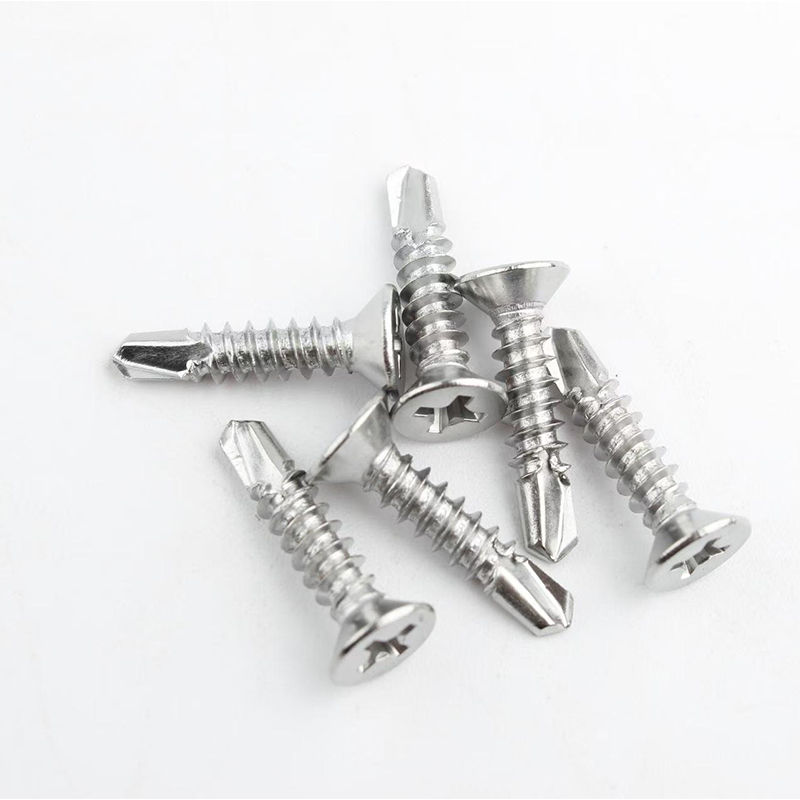
Bugle head self-drilling screws are specialized fasteners designed to drill, tap, and secure materials in a single operation. Featuring a distinct bugle-shaped head that transitions smoothly from the shank to the bearing surface, these screws minimize material stress and prevent pull-through in thin gauge metals and wood substrates. Ideal for steel-to-steel, steel-to-wood, and cladding applications, they eliminate the need for pre-drilling, significantly reducing installation time and labor costs. For industrial buyers seeking reliability and efficiency, sourcing high-quality bugle head self-drillers ensures structural integrity and long-term performance in construction and manufacturing projects.
What Are Bugle Head Self-Drilling Screws?
A bugle head self-drilling screw combines the functionality of a drill bit, a tap, and a fastener into one component. The term “bugle head” refers to the specific geometry of the screw head, which features a curved, concave underside. This design provides a larger bearing surface compared to standard pan heads, distributing clamping force more evenly. This is critical when fastening soft materials like timber or thin metal sheets, as it prevents the screw head from tearing through the substrate under load.
The “self-drilling” aspect is defined by the point of the screw. Unlike self-tapping screws, which require a pre-drilled pilot hole, self-drilling screws (often referred to by the industry standard designation Tek screws) have a genuine drill point. This point cuts its own hole and forms mating threads as it is driven. The length and geometry of this drill point are categorized by numbers (e.g., #1, #2, #3, #4, #5), indicating the thickness of the metal the screw can penetrate without pre-drilling.
Key Components and Engineering Logic
Understanding the anatomy of these fasteners helps in selecting the right product for your application. The engineering behind each part serves a specific mechanical purpose:
- The Drill Point: Acts as a cutting tool. It removes material to create a clearance hole. The sharpness and flute design determine how quickly heat is dissipated and how cleanly the hole is cut.
- The Threads: Located below the head, these cut or form threads in the base material. High-low thread patterns are often used for wood connections, while uniform threads are preferred for metal-to-metal connections.
- The Bugle Head: The transitional curve reduces stress concentration. In dynamic loading environments, such as roofing or siding exposed to wind uplift, this shape maintains clamp load better than sharp-edged heads.
- The Drive Recess: Typically a Phillips #2 or #3, or a square drive (Robertson). The drive type determines the torque transfer efficiency from the driver bit to the screw.
Why Choose Bugle Head Over Pan or Hex Head?
Selecting the correct head style is as important as choosing the right thread pitch. While hex washer heads are common for heavy-duty metal roofing, bugle heads offer distinct advantages in specific scenarios, particularly where aesthetics and material preservation are priorities.
| Feature | Bugle Head | Pan Head | Hex Washer Head |
|---|---|---|---|
| Bearing Surface | Large, gradual transition | Flat, limited surface area | Largest, with integrated washer |
| Material Stress | Low (distributes load) | Medium (can dig into soft material) | Low (washer spreads load) |
| Aesthetics | Smooth, low profile | Visible, abrupt edge | Industrial, prominent |
| Best Application | Steel-to-wood, siding, drywall | General assembly, electronics | Heavy gauge metal roofing |
| Installation Speed | High (self-centering) | Medium | High (with nut runner) |
The bugle head’s ability to seat flush without crushing the surrounding material makes it the preferred choice for cladding installations and timber framing where metal plates are attached to wood. The smooth contour also offers a cleaner visual finish, which is often required in architectural metalwork.
Technical Specifications and Material Grades
When procuring bugle head self-drilling screws, technical specifications dictate performance. Using substandard materials can lead to catastrophic failure, such as screw snapping during installation or corrosion-induced loosening over time.
Material Composition and Strength
High-performance self-drilling screws are typically manufactured from C1022 or C1018 carbon steel. These grades offer an optimal balance of hardness and ductility. The core must be tough enough to resist torsional shear during driving, while the case-hardened exterior ensures the drill point remains sharp enough to cut through steel.
- Case Hardening: A heat treatment process that hardens the outer layer of the screw while keeping the core flexible. This prevents brittleness and breakage.
- Tensile Strength: Industrial-grade screws should meet minimum tensile strength requirements, often exceeding 100,000 PSI for heavy-duty applications.
- Surface Coatings: To combat corrosion, screws are coated with Zinc Plating (electro or mechanical), Geomet, or Dacromet. For coastal or high-humidity environments, stainless steel (304 or 316) variants are available, though they require different driving techniques due to lower hardness.
Point Types and Drilling Capacity
The drilling capacity is directly linked to the point number. Choosing the wrong point type results in “burnout,” where friction generates excessive heat, softening the screw tip before it penetrates the material.
- #1 Point: Designed for light gauge sheet metal (up to 1/8 inch or 3mm). Common in HVAC ductwork.
- #2 Point: The most versatile size, handling medium gauge metal (up to 1/2 inch or 12.5mm cumulative thickness).
- #3, #4, #5 Points: Engineered for heavy structural steel connections. These points have longer flutes to evacuate chips from deeper holes.
Applications in Construction and Manufacturing
Bugle head self-drilling screws are ubiquitous across multiple industries due to their versatility. Their ability to join dissimilar materials makes them indispensable in modern construction and assembly lines.
Steel Framing and Drywall
In commercial construction, light gauge steel framing is increasingly replacing traditional wood studs. Bugle head screws are the standard for attaching drywall to these steel studs. The bugle shape allows the screw to pull the drywall tight against the stud without tearing the paper face, ensuring a smooth finish for taping and painting.
Metal Cladding and Siding
For industrial buildings and warehouses, metal siding panels are often attached to wooden girts or purlins. Here, the bugle head screw acts as a bridge between the steel panel and the wood substrate. The wide bearing surface prevents the steel panel from deforming around the screw head, maintaining the aesthetic line of the building envelope.
Automotive and Machinery Assembly
In manufacturing, speed is currency. Bugle head self-drillers are used in the assembly of automotive components, HVAC units, and electrical enclosures. They allow for rapid fastening of sheet metal housings without the secondary step of tapping threads, streamlining production workflows.
Installation Best Practices for Optimal Performance
Even the highest quality fastener can fail if installed incorrectly. Proper technique ensures the screw achieves its rated holding power and avoids common issues like stripping or burning.
Step-by-Step Installation Guide
- Select the Correct Bit: Use a high-quality impact driver bit that matches the screw head exactly. A worn or mismatched bit will cam out, damaging the screw head.
- Set Torque Limits: Adjust your driver’s clutch or torque setting. Over-torquing can strip the threads in the base material or snap the screw shank.
- Perpendicular Alignment: Drive the screw at a 90-degree angle to the work surface. Angled driving causes bending stresses that can break the screw or enlarge the hole, reducing holding power.
- Consistent Pressure: Apply firm, steady pressure. Let the drill point do the cutting. Pushing too hard can blunt the point; pushing too little generates friction heat.
- Stop at Seat: Drive the screw until the bugle head sits flush with the material. Do not over-drive, as this can crush the substrate or strip the threads.
Common Installation Errors to Avoid
- Burnout: Caused by driving too fast or using a dull bit. The screw tip turns blue or black and loses hardness. Solution: Reduce RPM and ensure bits are fresh.
- Stripping: Occurs when the driver continues to turn after the screw is seated. This destroys the drive recess and compromises clamp load.
- Walking: The screw moves off the intended mark before engaging. Solution: Use a center punch for thick metal or start at a lower speed.
Sourcing from Handan Shengtong Fastener Manufacturing
When evaluating suppliers for bulk fastener procurement, manufacturing capability and quality control are paramount. Handan Shengtong Fastener Manufacturing Co., Ltd. has established itself as a reliable partner in the global supply chain since its establishment in 2018. Located in Handan City, Hebei Province—a region renowned as a critical hub for China’s fastener industry—the company leverages local supply chain efficiencies to deliver competitive pricing without compromising on quality.
As a modern manufacturing enterprise, Handan Shengtong specializes in the research, development, production, and sales of high-precision fasteners. The company’s business philosophy of “Quality first, customer supreme” is not just a slogan but a operational mandate. This is evident in their commitment to providing high-strength, diversified fastener solutions tailored for the construction, machinery, automotive, and power sectors.
Why Partner with Handan Shengtong?
- Direct Factory Pricing: By eliminating intermediaries, buyers access wholesale factory prices, improving project margins.
- Customization Capabilities: Whether you require specific coating thicknesses, unique head dimensions, or specialized packaging, the R&D team can adapt production lines to meet precise specifications.
- Strict Quality Control: Every batch undergoes rigorous testing for torque resistance, tensile strength, and coating adhesion, ensuring consistency across large orders.
- Global Logistics Expertise: With years of export experience, the company understands the complexities of international shipping, ensuring timely delivery to ports worldwide.
For businesses looking to stabilize their supply chain with a manufacturer that values long-term partnerships, Handan Shengtong offers the technical expertise and production capacity to support large-scale industrial demands.
Frequently Asked Questions (FAQ)
What is the difference between self-tapping and self-drilling screws?
Self-tapping screws require a pre-drilled pilot hole to guide the screw and form threads. Self-drilling screws (like the bugle head Tek screws) have a drill point that creates its own hole, eliminating the need for pre-drilling. This makes self-drilling screws faster and more cost-effective for high-volume applications.
Can bugle head self-drilling screws be used for outdoor applications?
Yes, provided they have the appropriate corrosion-resistant coating. For standard outdoor use, zinc-plated screws are sufficient. However, for coastal areas or high-humidity environments, it is recommended to use screws with Geomet, Dacromet, or stainless steel construction to prevent rust and maintain structural integrity.
How do I choose the right screw length?
The screw length should be sufficient to penetrate the top material, fully engage the drill point, and penetrate the base material by at least 3-4 threads. A general rule is: Length = Thickness of Top Material + Thickness of Base Material + Minimum Engagement Length. Avoid screws that are excessively long, as they may bottom out or protrude dangerously.
What drive type is best for bugle head screws?
Phillips #2 is the most common drive type for bugle head screws, offering a good balance of torque transfer and availability. However, for higher torque applications or automated assembly, square drive (Robertson) or Torx drives may be specified to reduce cam-out and improve driving efficiency.
Does Handan Shengtong offer samples for testing?
Yes, reputable manufacturers like Handan Shengtong typically provide samples for quality verification and testing before bulk orders. This allows engineers and procurement managers to validate fit, finish, and performance in their specific applications.
Conclusion: Secure Your Supply Chain with Precision Fasteners
Bugle head self-drilling screws are a critical component in modern assembly and construction, offering a blend of speed, strength, and aesthetic finish. By understanding the technical nuances—from point types to head geometry—buyers can make informed decisions that enhance project efficiency and durability. The choice of supplier is equally vital; partnering with a manufacturer that prioritizes precision and reliability ensures consistent quality across every batch.
Handan Shengtong Fastener Manufacturing Co., Ltd. stands ready to support your industrial needs with high-quality, factory-direct fastener solutions. Whether you are managing a large-scale construction project or optimizing a manufacturing assembly line, our team is equipped to provide the technical guidance and product consistency you require.
Ready to optimize your fastener procurement? Contact us today to discuss your specifications, request a quote, or learn more about our custom manufacturing capabilities.