- Chinese
- French
- German
- Portuguese
- Spanish
- Russian
- Japanese
- Korean
- Arabic
- Irish
- Greek
- Turkish
- Italian
- Danish
- Romanian
- Indonesian
- Czech
- Afrikaans
- Swedish
- Polish
- Basque
- Catalan
- Esperanto
- Hindi
- Lao
- Albanian
- Amharic
- Armenian
- Azerbaijani
- Belarusian
- Bengali
- Bosnian
- Bulgarian
- Cebuano
- Chichewa
- Corsican
- Croatian
- Dutch
- Estonian
- Filipino
- Finnish
- Frisian
- Galician
- Georgian
- Gujarati
- Haitian
- Hausa
- Hawaiian
- Hebrew
- Hmong
- Hungarian
- Icelandic
- Igbo
- Javanese
- Kannada
- Kazakh
- Khmer
- Kurdish
- Kyrgyz
- Latin
- Latvian
- Lithuanian
- Luxembou..
- Macedonian
- Malagasy
- Malay
- Malayalam
- Maltese
- Maori
- Marathi
- Mongolian
- Burmese
- Nepali
- Norwegian
- Pashto
- Persian
- Punjabi
- Serbian
- Sesotho
- Sinhala
- Slovak
- Slovenian
- Somali
- Samoan
- Scots Gaelic
- Shona
- Sindhi
- Sundanese
- Swahili
- Tajik
- Tamil
- Telugu
- Thai
- Ukrainian
- Urdu
- Uzbek
- Vietnamese
- Welsh
- Xhosa
- Yiddish
- Yoruba
- Zulu
- Kinyarwanda
- Tatar
- Oriya
- Turkmen
- Uyghur




High-Strength Bolts Manufacturer | ASTM A325 & A490 Supplier
2026-11-04
- What Are High-Strength Bolts and Why Do Standards Matter?
- Key Differences: ASTM A325 vs. ASTM A490
- Manufacturing Process: Ensuring Integrity from Raw Material to Finish
- Installation Methods: Snug-Tight vs. Pretensioned Joints
- Common Failure Modes and How to Prevent Them
- Applications of High-Strength Bolts Across Industries
- How to Choose the Right High-Strength Bolt Supplier
- Frequently Asked Questions (FAQ)
- Conclusion: Securing Your Projects with Reliable Fastening Solutions
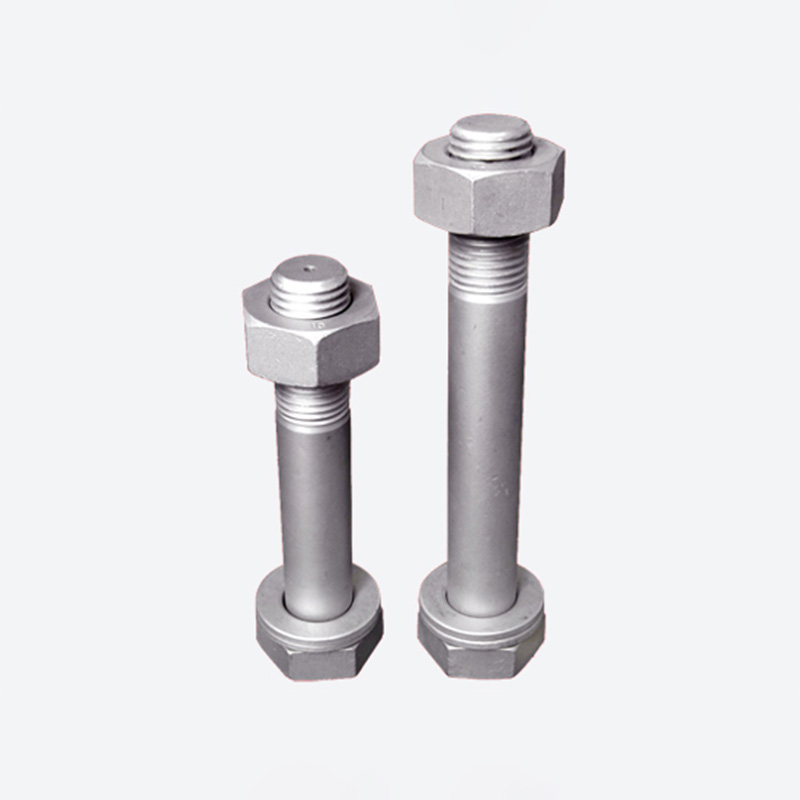
High-strength bolts are precision-engineered fasteners designed to withstand significant tensile and shear forces in critical structural applications. Unlike standard commercial-grade fasteners, these components undergo rigorous heat treatment and mechanical testing to meet strict international standards, primarily ASTM A325 and ASTM A490. They are essential for steel-to-steel connections in construction, heavy machinery, and infrastructure projects where joint integrity is non-negotiable. As a specialized manufacturer, Handan Shengtong Fastener Manufacturing Co., Ltd. provides certified solutions that ensure load-bearing reliability, dimensional accuracy, and long-term durability for global engineering projects.
What Are High-Strength Bolts and Why Do Standards Matter?
High-strength bolts are not merely “stronger” versions of regular bolts; they represent a distinct category of fastening technology governed by specific metallurgical and mechanical requirements. In structural steelwork, the failure of a single connection can compromise an entire framework. Therefore, the definition of a high-strength bolt is tied directly to its material composition, heat treatment process, and verified performance metrics.
The two most prevalent standards in North American and international markets are ASTM A325 and ASTM A490. Understanding the distinction between these two is the first step in proper selection.
- ASTM A325: These are heat-treated medium carbon steel bolts. They offer high tensile strength (minimum 120 ksi for diameters up to 1 inch) and are the industry workhorse for general structural steel connections.
- ASTM A490: These are alloy steel bolts, quenched and tempered to achieve even higher tensile strength (minimum 150 ksi). They are used in applications requiring maximum load capacity or where space constraints require smaller, stronger fasteners.
Using the correct grade is not optional. Substituting a lower-grade fastener can lead to catastrophic structural failure under dynamic loads, such as wind, seismic activity, or heavy machinery vibration. Conversely, over-specifying A490 when A325 suffices can unnecessarily increase project costs without adding functional value.
Key Differences: ASTM A325 vs. ASTM A490
Choosing between A325 and A490 requires a clear understanding of their mechanical properties and application limits. The following table outlines the critical technical differences that engineers and procurement specialists must consider.
| Feature | ASTM A325 | ASTM A490 |
|---|---|---|
| Material Type | Medium Carbon Steel | Alloy Steel |
| Heat Treatment | Quenched and Tempered | Quenched and Tempered |
| Min. Tensile Strength | 120 ksi (≤1″) / 105 ksi (>1″) | 150 ksi (all diameters) |
| Yield Strength | 92 ksi (≥85% of tensile) | 130 ksi (≥85% of tensile) |
| Head Marking | A325 | A490 |
| Galvanizing Compatibility | Yes (with caution for hydrogen embrittlement) | Not Recommended (high risk of embrittlement) |
| Primary Application | General Structural Steel, Bridges | Heavy Load Structures, High-Stress Zones |
One critical consideration is hydrogen embrittlement. ASTM A490 bolts, due to their higher hardness and strength, are significantly more susceptible to brittle fracture if galvanized improperly. For outdoor structures requiring corrosion protection, A325 bolts are often the safer choice when hot-dip galvanizing is specified, provided the galvanizing process controls acid exposure and baking times strictly.
Manufacturing Process: Ensuring Integrity from Raw Material to Finish
The quality of a high-strength bolt is determined during manufacturing, not just during inspection. At Handan Shengtong Fastener Manufacturing Co., Ltd., established in 2018 in Handan City, Hebei Province, the production process adheres to a “Quality first, customer supreme” philosophy. Located in China’s premier fastener industrial base, the company leverages advanced R&D and modern manufacturing techniques to produce diversified fastener solutions for construction, machinery, automotive, and power industries.
The manufacturing lifecycle of a compliant high-strength bolt involves several critical stages:
1. Material Selection and Cold Heading
The process begins with sourcing high-quality wire rod or bar stock that meets chemical composition requirements. For A325, medium carbon steel is selected; for A490, alloy steel is used. The material is cut to length and then cold-headed to form the bolt head. Cold heading preserves the grain structure of the metal, enhancing strength compared to machining.
2. Thread Rolling
Threads are rolled rather than cut. Thread rolling compresses the metal grains, creating a smoother surface finish and increasing fatigue resistance. This is crucial for bolts subjected to cyclic loading, such as those in bridge expansions or vibrating machinery.
3. Heat Treatment (Quenching and Tempering)
This is the most critical step for achieving high strength. The bolts are heated to a specific austenitizing temperature, rapidly cooled (quenched) to form martensite, and then reheated to a lower temperature (tempered) to reduce brittleness while maintaining high tensile strength. Precise control of temperature and time is essential to meet ASTM mechanical property requirements.
4. Surface Treatment and Coating
Depending on the application environment, bolts may undergo phosphating, oiling, or galvanizing. For high-strength applications, coatings must be applied carefully to avoid hydrogen embrittlement. Handan Shengtong ensures that all surface treatments comply with relevant standards to maintain both corrosion resistance and mechanical integrity.
5. Rigorous Testing and Quality Control
Every batch undergoes strict testing, including wedge tension tests, hardness tests, and dimensional inspections. Only bolts that pass these rigorous checks are marked and packaged for shipment. This commitment to precision aligns with the company’s goal of providing high-precision products for global industries.
Installation Methods: Snug-Tight vs. Pretensioned Joints
Even the highest quality bolt will fail if installed incorrectly. High-strength bolts are typically used in two types of joints: snug-tight and pretensioned. Understanding the installation method is vital for structural engineers and site supervisors.
Snug-Tight Connections
In snug-tight joints, bolts are tightened until the plies of the connected materials are in firm contact. This method relies on the bearing strength of the bolt shank against the hole walls. It is suitable for secondary members or situations where slip is not a critical concern. Standard impact wrenches are often sufficient for this application.
Pretensioned (Slip-Critical) Connections
Pretensioned joints are designed to prevent slip between connected plates. The bolts are tightened to a specific preload, creating clamping force that holds the plates together through friction. This is essential for primary structural members, especially in seismic zones or under dynamic loads. Installation methods include:
- Turn-of-Nut Method: The bolt is tightened to a snug condition, then rotated a specified amount (e.g., 1/2 turn) based on bolt length and diameter.
- Calibrated Wrench Method: Using a torque-controlled wrench calibrated to deliver the required tension.
- Direct Tension Indicator (DTI): Using specialized washers with bumps that flatten when the correct tension is achieved, providing a visual confirmation of proper installation.
Improper installation, such as under-tightening, can lead to joint loosening and fatigue failure. Over-tightening can stretch the bolt beyond its yield point, causing immediate or delayed fracture. Therefore, using certified tools and trained personnel is mandatory.
Common Failure Modes and How to Prevent Them
Understanding how high-strength bolts fail helps in designing better connections and selecting the right product. The most common failure modes include:
- Hydrogen Embrittlement: A delayed brittle fracture caused by hydrogen atoms entering the steel lattice during plating or pickling. Prevention: Use mechanical plating or bake-out processes for high-strength steels, and avoid galvanizing A490 bolts unless specifically approved.
- Fatigue Failure: Cracking due to repeated cyclic loading. Prevention: Ensure proper pretensioning to minimize stress fluctuations in the bolt shank. Use thread-rolled bolts for better fatigue resistance.
- Shear Failure: The bolt shank snaps due to lateral forces exceeding its capacity. Prevention: Calculate load requirements accurately and choose the correct diameter and grade (A325 vs. A490).
- Stripping of Threads: The threads shear off during tightening. Prevention: Ensure thread compatibility between bolt and nut, and use lubricated assemblies to reduce friction coefficients during installation.
Applications of High-Strength Bolts Across Industries
High-strength bolts are versatile components used in various sectors where safety and reliability are paramount. Handan Shengtong Fastener Manufacturing Co., Ltd. serves a diverse range of industries, reflecting the broad applicability of their product line.
Construction and Infrastructure
This is the largest market for ASTM A325 and A490 bolts. They are used in:
- Steel Buildings: Connecting beams, columns, and trusses in warehouses, skyscrapers, and industrial facilities.
- Bridges: Critical for deck supports and girder connections, where dynamic loads from traffic and wind are significant.
- Towers: Communication and power transmission towers require high-strength fasteners to withstand environmental stresses.
Heavy Machinery and Equipment
In the machinery sector, bolts secure components subject to high vibration and shock loads. Examples include excavators, cranes, and mining equipment. The high precision and fatigue resistance of Shengtong’s fasteners ensure that machinery remains operational and safe under harsh conditions.
Automotive and Transportation
While automotive applications often use metric standards, the principles of high-strength fastening apply. Chassis components, suspension systems, and engine mounts require bolts that can endure constant vibration and variable loads without loosening.
Power and Energy
From wind turbine assemblies to power plant structures, high-strength bolts are critical. Wind turbines, in particular, face extreme cyclic loads, making the quality and fatigue resistance of fasteners a key factor in long-term reliability.
How to Choose the Right High-Strength Bolt Supplier
Selecting a supplier for critical structural components requires more than just comparing prices. Buyers must evaluate technical capability, quality assurance, and supply chain reliability. Here are key factors to consider:
- Certification and Compliance: Ensure the manufacturer can provide Mill Test Certificates (MTCs) and complies with ASTM, ISO, or other relevant standards. Handan Shengtong specializes in R&D and production that meets these rigorous international benchmarks.
- Manufacturing Capability: Look for manufacturers with modern equipment for cold heading, heat treatment, and testing. In-house control over these processes ensures consistent quality.
- Technical Support: A good supplier offers more than just products; they provide solutions. Can they advise on coating options? Do they understand the nuances of A325 vs. A490 applications?
- Location and Logistics: Being located in Handan City, a hub for the fastener industry, allows Shengtong to leverage a robust supply chain for raw materials and efficient logistics for global export.
- Reputation and Experience: While established in 2018, Handan Shengtong has quickly grown by adhering to its core philosophy of quality and customer service. Reviewing their track record in construction and machinery sectors can provide confidence in their reliability.
Frequently Asked Questions (FAQ)
Can I use ASTM A490 bolts in galvanized applications?
It is generally not recommended. ASTM A490 bolts have high hardness and are highly susceptible to hydrogen embrittlement during the hot-dip galvanizing process. If corrosion protection is needed, ASTM A325 bolts are preferred, or alternative coatings like mechanical zinc plating with proper bake-out procedures should be used for A490.
What is the difference between a high-strength bolt and a standard Grade 5 or Grade 8 bolt?
Grade 5 and Grade 8 are SAE J429 standards typically used in automotive and machinery applications. ASTM A325 and A490 are structural standards for construction. While Grade 8 is similar in strength to A490, the testing protocols, head markings, and intended applications differ. Structural bolts are tested for wedge tension and rotational capacity, which are not required for SAE grades.
Do high-strength bolts require washers?
Yes, in most structural applications. Hardened washers are used to distribute the load, protect the connected material from damage during tightening, and ensure consistent tension. For sloped surfaces, beveled washers are required to keep the bolt axis perpendicular to the grip.
How do I verify the strength of a high-strength bolt?
Verification is done through laboratory testing, including tensile testing, hardness testing, and wedge tension testing. On-site, installation verification is performed using torque wrenches, turn-of-nut methods, or Direct Tension Indicators (DTIs). Visual inspection of head markings (A325 or A490) is the first step in identifying the grade.
Why choose Handan Shengtong for high-strength bolts?
Handan Shengtong Fastener Manufacturing Co., Ltd. combines modern manufacturing technology with a strict quality-first approach. Located in China’s fastener capital, we offer competitive pricing without compromising on ASTM compliance. Our dedication to R&D ensures that our A325 and A490 bolts meet the precise needs of construction, machinery, and power industries globally.
Conclusion: Securing Your Projects with Reliable Fastening Solutions
High-strength bolts are the unseen heroes of structural integrity. Whether you are building a skyscraper, assembling heavy machinery, or constructing a bridge, the choice of fastener directly impacts safety and longevity. ASTM A325 and A490 bolts provide the necessary tensile strength and reliability for these critical applications, but only when manufactured to exacting standards and installed correctly.
For engineers, contractors, and procurement managers, partnering with a knowledgeable manufacturer is essential. Handan Shengtong Fastener Manufacturing Co., Ltd. stands ready to support your projects with high-precision, certified high-strength bolts. Our commitment to quality, combined with our strategic location in Handan’s industrial hub, allows us to deliver superior products that meet global standards.
Do not compromise on the components that hold your structures together. Ensure your next project benefits from fasteners that are engineered for performance and backed by rigorous quality control.
Ready to specify the right fasteners for your application?
Contact our technical team today to discuss your requirements, request a quote, or obtain detailed specifications for our ASTM A325 and A490 high-strength bolts.
Explore our full range of High-Strength Bolts and Technical Solutions