- Chinese
- French
- German
- Portuguese
- Spanish
- Russian
- Japanese
- Korean
- Arabic
- Irish
- Greek
- Turkish
- Italian
- Danish
- Romanian
- Indonesian
- Czech
- Afrikaans
- Swedish
- Polish
- Basque
- Catalan
- Esperanto
- Hindi
- Lao
- Albanian
- Amharic
- Armenian
- Azerbaijani
- Belarusian
- Bengali
- Bosnian
- Bulgarian
- Cebuano
- Chichewa
- Corsican
- Croatian
- Dutch
- Estonian
- Filipino
- Finnish
- Frisian
- Galician
- Georgian
- Gujarati
- Haitian
- Hausa
- Hawaiian
- Hebrew
- Hmong
- Hungarian
- Icelandic
- Igbo
- Javanese
- Kannada
- Kazakh
- Khmer
- Kurdish
- Kyrgyz
- Latin
- Latvian
- Lithuanian
- Luxembou..
- Macedonian
- Malagasy
- Malay
- Malayalam
- Maltese
- Maori
- Marathi
- Mongolian
- Burmese
- Nepali
- Norwegian
- Pashto
- Persian
- Punjabi
- Serbian
- Sesotho
- Sinhala
- Slovak
- Slovenian
- Somali
- Samoan
- Scots Gaelic
- Shona
- Sindhi
- Sundanese
- Swahili
- Tajik
- Tamil
- Telugu
- Thai
- Ukrainian
- Urdu
- Uzbek
- Vietnamese
- Welsh
- Xhosa
- Yiddish
- Yoruba
- Zulu
- Kinyarwanda
- Tatar
- Oriya
- Turkmen
- Uyghur




High Strength Hexagon Head Bolt Manufacturer & Wholesale Price
2026-11-04
- What Defines a High Strength Hexagon Head Bolt?
- Manufacturing Process and Quality Control
- High Strength Hexagon Head Bolt vs. Standard Bolts
- Primary Applications Across Industries
- How to Select the Right High Strength Bolt
- Installation Best Practices and Common Errors
- Why Choose Handan Shengtong Fastener Manufacturing?
- Frequently Asked Questions (FAQ)
- Conclusion and Procurement Advice
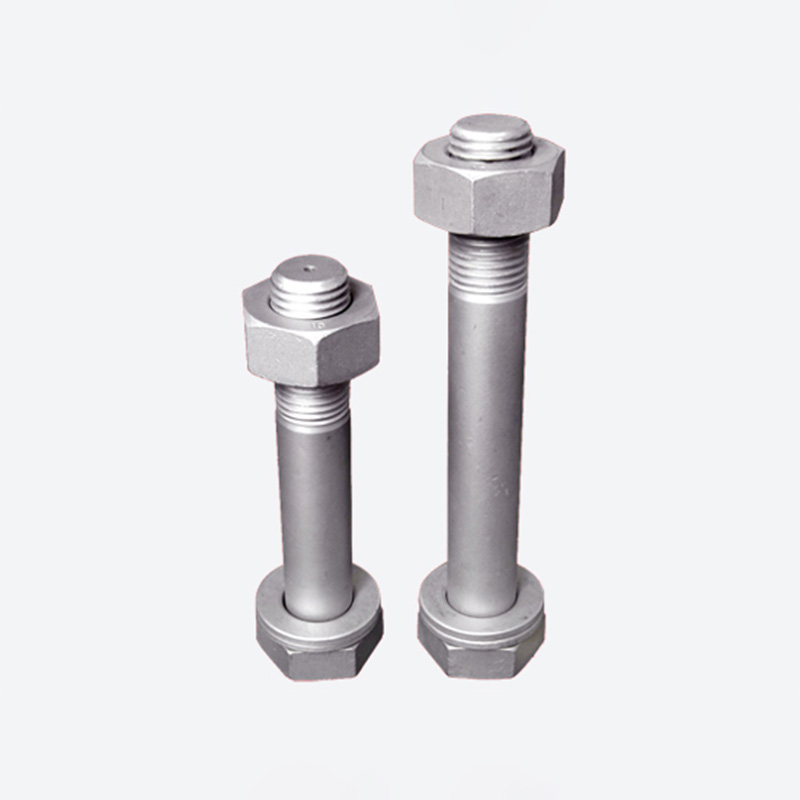
A high strength hexagon head bolt is a critical fastening component engineered to withstand extreme tensile and shear loads in demanding industrial applications. Typically manufactured from medium carbon alloy steel and heat-treated to achieve property classes such as 8.8, 10.9, or 12.9, these bolts provide superior clamping force compared to standard grade equivalents. For engineering firms and construction projects requiring reliable structural integrity, sourcing from a specialized manufacturer ensures adherence to international standards like ISO 4014, DIN 931, and ASTM A325. Handan Shengtong Fastener Manufacturing Co., Ltd. offers precision-engineered solutions that balance mechanical performance with cost-effective wholesale pricing.
What Defines a High Strength Hexagon Head Bolt?
In the realm of industrial fasteners, the term “high strength” refers specifically to the mechanical properties of the material rather than just its physical dimensions. A hexagon head bolt features a six-sided head designed for torque application using standard wrenches or sockets. The “high strength” designation implies that the bolt has undergone specific metallurgical processes to enhance its yield strength and tensile strength.
These fasteners are distinct from low-carbon steel bolts (such as Grade 4.8) because they are capable of maintaining clamp load under dynamic stress, vibration, and temperature fluctuations. This makes them indispensable in sectors where failure is not an option, such as bridge construction, heavy machinery assembly, and automotive powertrains.
Key Mechanical Properties and Grades
The strength of a hexagon head bolt is categorized by property classes in the metric system or grades in the imperial system. Understanding these classifications is essential for proper selection:
- Class 8.8: Medium carbon steel, quenched and tempered. Suitable for general structural applications where moderate strength is required.
- Class 10.9: Alloy steel, quenched and tempered. Offers higher tensile strength, commonly used in automotive and heavy equipment industries.
- Class 12.9: Alloy steel, quenched and tempered with strict controls on tempering temperature. This is the highest standard strength class for general-purpose bolts, used in high-stress environments.
Each class dictates the minimum tensile strength (in MPa) and the yield strength ratio. For instance, a Class 10.9 bolt must have a minimum tensile strength of 1040 MPa. Selecting the correct grade ensures that the fastener does not fail under preload or operational load.
Manufacturing Process and Quality Control
Producing a high-quality high strength hexagon head bolt involves a rigorous manufacturing workflow. At Handan Shengtong Fastener Manufacturing Co., Ltd., established in 2018 in Handan City, Hebei Province, the production process integrates advanced cold forging and heat treatment technologies. Handan is recognized as a pivotal base for China’s fastener industry, providing a robust supply chain ecosystem that supports modern manufacturing enterprises.
Cold Forging and Heading
The process begins with wire rod drawing to achieve precise diameter tolerances. The blank is then cold-headed to form the hexagonal shape. Cold forging aligns the grain structure of the metal, enhancing the inherent strength of the bolt head and shank. This step is critical for ensuring that the bolt can withstand the high torque values applied during installation without stripping or deforming.
Heat Treatment: Quenching and Tempering
Heat treatment is the defining stage for high-strength fasteners. The bolts are heated to a specific austenitizing temperature and then rapidly cooled (quenched) to create a martensitic structure. This makes the steel extremely hard but brittle. Subsequently, the bolts are tempered at a controlled temperature to reduce brittleness while retaining high tensile strength. This balance between hardness and toughness is what defines a reliable high-strength bolt.
Surface Treatment and Corrosion Resistance
Raw steel is susceptible to corrosion, which can compromise structural integrity over time. Common surface treatments include:
- Zinc Plating: Provides a basic level of corrosion resistance and a bright finish. Suitable for indoor applications.
- Hot-Dip Galvanizing: Offers superior protection for outdoor structures like transmission towers and bridges. Note that this process may slightly reduce the tensile strength due to hydrogen embrittlement risks, requiring careful post-treatment baking.
- Geomet/Dacromet: Zinc-flake coatings that provide excellent corrosion resistance without significant hydrogen embrittlement, ideal for high-strength classes like 10.9 and 12.9.
Handan Shengtong adheres to the business philosophy of “Quality first, customer supreme,” ensuring that every batch undergoes strict quality control checks, including dimensional inspection, hardness testing, and wedge tension tests.
High Strength Hexagon Head Bolt vs. Standard Bolts
Choosing between high-strength and standard bolts depends on the load requirements of the application. The following table highlights the key differences to assist in decision-making:
| Feature | High Strength Bolt (Class 10.9/12.9) | Standard Bolt (Class 4.8/5.8) |
|---|---|---|
| Material | Medium Carbon Alloy Steel | Low Carbon Steel |
| Heat Treatment | Quenched and Tempered | Usually None or Normalized |
| Tensile Strength | 1040 MPa – 1220 MPa | 400 MPa – 500 MPa |
| Yield Strength | 940 MPa – 1100 MPa | 240 MPa – 300 MPa |
| Application | Structural Steel, Machinery, Automotive | Light Assembly, Furniture, Non-structural |
| Cost | Higher due to processing | Lower |
As illustrated, high-strength bolts offer more than double the tensile capacity of standard bolts. While the initial cost is higher, the ability to use fewer or smaller fasteners for the same load can result in overall system savings and weight reduction.
Primary Applications Across Industries
High strength hexagon head bolts are versatile components used across various sectors. Their ability to maintain preload under vibration makes them preferred choices for dynamic environments.
Construction and Structural Steel
In the construction industry, these bolts are used for connecting steel beams, columns, and trusses. They ensure the stability of skyscrapers, warehouses, and industrial plants. Standards such as ASTM A325 and ASTM A490 are often referenced in North American construction projects, while ISO 898-1 governs international specifications. The precision manufacturing at Handan Shengtong ensures that these bolts meet the tight tolerance requirements necessary for seamless structural assembly.
Automotive and Transportation
Modern vehicles utilize high-strength fasteners in critical areas such as engine blocks, suspension systems, and chassis assemblies. The trend towards lightweight vehicle design requires fasteners that can handle higher stresses with smaller diameters. Class 10.9 and 12.9 bolts are standard in these applications, providing the necessary safety margins for passenger protection.
Machinery and Equipment Manufacturing
Heavy machinery, including mining equipment, agricultural tractors, and manufacturing robots, operates under severe vibrational and shock loads. High strength hexagon head bolts prevent joint loosening and fatigue failure. In these contexts, the reliability of the fastener directly impacts the uptime and maintenance costs of the equipment.
Power and Energy Sector
From wind turbine assemblies to power transmission towers, the energy sector relies on durable fastening solutions. Wind turbines, in particular, subject bolts to cyclic loading and varying weather conditions. High-strength bolts with appropriate corrosion-resistant coatings are essential for ensuring the longevity of these installations.
How to Select the Right High Strength Bolt
Selecting the appropriate high strength hexagon head bolt involves several technical considerations. Engineers and procurement specialists should evaluate the following factors:
1. Load Requirements
Determine the maximum tensile and shear loads the joint will experience. Include a safety factor to account for dynamic loads and potential over-tightening. For static loads, Class 8.8 may suffice, but for dynamic or critical structural loads, Class 10.9 or 12.9 is recommended.
2. Environmental Conditions
Assess the operating environment. Exposure to moisture, chemicals, or extreme temperatures necessitates specific surface treatments. For outdoor structural applications, hot-dip galvanizing is common, but designers must account for the slight reduction in tensile strength caused by the galvanizing process.
3. Compatibility with Nuts and Washers
A high-strength bolt must be paired with a compatible high-strength nut and washer. Using a lower-grade nut can lead to thread stripping before the bolt reaches its full tensile capacity. Ensure that the nut’s property class matches or exceeds the bolt’s class (e.g., Class 10 nut for Class 10.9 bolt).
4. Thread Pitch and Length
Coarse threads are generally preferred for high-strength applications as they are less susceptible to stripping and easier to assemble. The length of the bolt should allow for sufficient thread engagement in the nut or tapped hole, typically at least 1.5 times the nominal diameter.
Installation Best Practices and Common Errors
Even the highest quality bolt can fail if installed incorrectly. Proper installation techniques are crucial for achieving the desired clamp load and preventing premature failure.
Torque Control
Applying the correct torque is vital. Under-torquing leads to loose joints and vibration-induced loosening, while over-torquing can stretch the bolt beyond its yield point, causing permanent deformation or breakage. Use calibrated torque wrenches and follow the manufacturer’s torque specifications based on the bolt grade, diameter, and lubrication condition.
Lubrication
Lubrication reduces the coefficient of friction between the threads and under the bolt head. This ensures that more of the applied torque is converted into clamping force rather than being lost to friction. However, inconsistent lubrication can lead to variable preload, so standardized lubricants are recommended for critical applications.
Common Installation Errors
- Reusing High-Strength Bolts: High-strength bolts, particularly those used in structural steel connections, are often designed for single-use. Reusing them can result in reduced preload capacity and increased risk of failure.
- Ignoring Hydrogen Embrittlement: Certain plating processes can introduce hydrogen into the steel lattice, leading to delayed brittle fracture. Baking bolts after plating helps mitigate this risk.
- Mismatched Components: Mixing different grades of bolts, nuts, and washers in the same joint can cause uneven load distribution and failure.
Why Choose Handan Shengtong Fastener Manufacturing?
Located in Handan City, Hebei Province, Handan Shengtong Fastener Manufacturing Co., Ltd. has emerged as a reliable partner for global buyers seeking high-quality fasteners. Since its establishment in 2018, the company has focused on specializing in the research and development, production, and sales of fasteners. This focused approach allows for deeper expertise in high-strength product lines compared to generalist suppliers.
The company is committed to providing high-strength, high-precision, and diversified fastener products and solutions for the construction, machinery, automotive, power, and other industries. By leveraging the industrial cluster advantages of Handan, Handan Shengtong ensures efficient production scales and competitive wholesale pricing without compromising on quality.
Key advantages of partnering with Handan Shengtong include:
- Advanced Manufacturing Capabilities: State-of-the-art cold forging and heat treatment lines ensure consistent mechanical properties across batches.
- Strict Quality Assurance: Comprehensive testing protocols, including spectral analysis and mechanical performance testing, guarantee compliance with ISO, DIN, and ASTM standards.
- Customization Flexibility: Ability to produce non-standard sizes and specialized coatings to meet unique project requirements.
- Global Logistics Support: Experienced export team facilitating smooth delivery to international markets.
Frequently Asked Questions (FAQ)
What is the difference between Class 8.8 and Class 10.9 bolts?
Class 10.9 bolts have a higher tensile strength (1040 MPa) and yield strength (940 MPa) compared to Class 8.8 bolts (800 MPa tensile, 640 MPa yield). Class 10.9 is made from alloy steel and is suitable for higher stress applications, while Class 8.8 is typically made from medium carbon steel and is used for general structural purposes.
Can high strength hexagon head bolts be welded?
Welding high-strength bolts is generally not recommended. The heat from welding alters the microstructure of the heat-treated steel, significantly reducing its strength and potentially causing cracking. If welding is required, specific pre-and post-weld heat treatments must be applied, but it is safer to use bolts designed for welding or alternative joining methods.
How do I identify the strength grade of a bolt?
Metric high-strength bolts typically have markings on the head indicating their property class. For example, “10.9” or “12.9” will be stamped on the head. Imperial bolts may have radial lines (dashes) on the head; three dashes indicate Grade 5, while six dashes indicate Grade 8.
What is the shelf life of high-strength bolts?
High-strength bolts do not have a fixed expiration date, but their storage conditions are critical. They should be kept in a dry, indoor environment to prevent corrosion. If bolts are stored for extended periods, especially if plated, they should be inspected for rust or hydrogen embrittlement signs before use.
Do you provide test reports for your bolts?
Yes, Handan Shengtong provides comprehensive test reports, including material certification, hardness tests, and tensile strength data, to ensure transparency and trustworthiness for every shipment.
Conclusion and Procurement Advice
High strength hexagon head bolts are fundamental to the safety and reliability of modern industrial infrastructure. Whether for constructing a skyscraper, assembling a high-performance vehicle, or maintaining power grids, the quality of the fastener directly influences the longevity and performance of the entire system. Understanding the nuances of material grades, heat treatment, and proper installation is essential for engineers and procurement professionals.
For businesses seeking a dependable supplier, Handan Shengtong Fastener Manufacturing Co., Ltd. offers a blend of technical expertise, rigorous quality control, and competitive wholesale pricing. By prioritizing “Quality first, customer supreme,” the company delivers solutions that meet the stringent demands of the construction, machinery, automotive, and power sectors.
When planning your next project, consider the specific load requirements and environmental conditions to select the appropriate bolt class and coating. Partnering with a specialized manufacturer ensures that you receive products that not only meet international standards but also contribute to the overall efficiency and safety of your operations.
To discuss your specific fastener requirements, request a quote, or learn more about our technical capabilities, please contact our sales team today. We are ready to provide customized solutions and support your supply chain needs.