- Chinese
- French
- German
- Portuguese
- Spanish
- Russian
- Japanese
- Korean
- Arabic
- Irish
- Greek
- Turkish
- Italian
- Danish
- Romanian
- Indonesian
- Czech
- Afrikaans
- Swedish
- Polish
- Basque
- Catalan
- Esperanto
- Hindi
- Lao
- Albanian
- Amharic
- Armenian
- Azerbaijani
- Belarusian
- Bengali
- Bosnian
- Bulgarian
- Cebuano
- Chichewa
- Corsican
- Croatian
- Dutch
- Estonian
- Filipino
- Finnish
- Frisian
- Galician
- Georgian
- Gujarati
- Haitian
- Hausa
- Hawaiian
- Hebrew
- Hmong
- Hungarian
- Icelandic
- Igbo
- Javanese
- Kannada
- Kazakh
- Khmer
- Kurdish
- Kyrgyz
- Latin
- Latvian
- Lithuanian
- Luxembou..
- Macedonian
- Malagasy
- Malay
- Malayalam
- Maltese
- Maori
- Marathi
- Mongolian
- Burmese
- Nepali
- Norwegian
- Pashto
- Persian
- Punjabi
- Serbian
- Sesotho
- Sinhala
- Slovak
- Slovenian
- Somali
- Samoan
- Scots Gaelic
- Shona
- Sindhi
- Sundanese
- Swahili
- Tajik
- Tamil
- Telugu
- Thai
- Ukrainian
- Urdu
- Uzbek
- Vietnamese
- Welsh
- Xhosa
- Yiddish
- Yoruba
- Zulu
- Kinyarwanda
- Tatar
- Oriya
- Turkmen
- Uyghur




Truss Head Self-Drilling Screws: Wholesale Price & OEM Supplier
2026-11-04
- What Are Truss Head Self-Drilling Screws?
- Why Choose Truss Head Over Pan or Hex Heads?
- Technical Specifications and Material Grades
- Common Applications of Truss Head Self-Drilling Screws
- Manufacturing Excellence: Handan Shengtong Fastener Manufacturing Co., Ltd.
- How to Select the Right Truss Head Self-Drilling Screw
- Installation Best Practices and Common Mistakes
- Wholesale Pricing Factors and OEM Considerations
- Frequently Asked Questions (FAQ)
- Conclusion: Securing Reliable Fastener Solutions
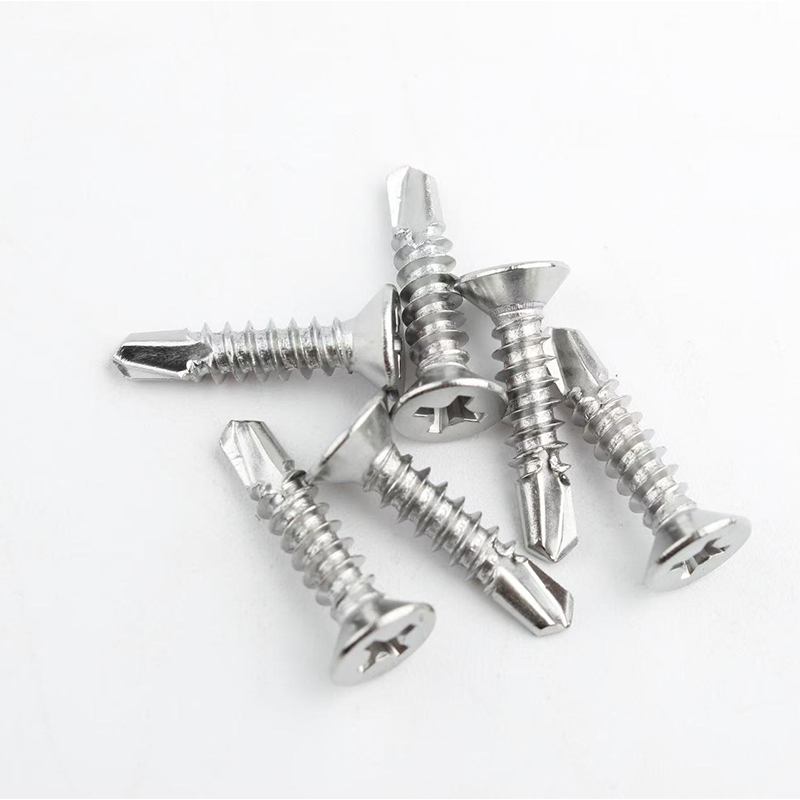
Truss head self-drilling screws are specialized fasteners designed to drill, tap, and clamp materials in a single operation. Characterized by their wide, low-profile bearing surface, they distribute load over a larger area than standard pan heads, making them ideal for attaching thin gauge metal sheets, HVAC ducting, and roofing panels without causing deformation. For B2B buyers, sourcing these components requires balancing material grade, drill point geometry, and coating durability to ensure structural integrity and corrosion resistance.
What Are Truss Head Self-Drilling Screws?
A truss head self-drilling screw combines the functionality of a drill bit and a tapping screw. The “truss” head features a larger diameter and a lower profile compared to standard hex or pan heads. This design provides a broader contact area with the substrate, which is critical when working with soft or thin materials that might otherwise tear or dimple under high clamping pressure.
The “self-drilling” aspect refers to the integrated drill point at the tip of the screw. Unlike self-tapping screws, which require a pre-drilled pilot hole, self-drilling screws (often identified by #1, #2, #3, #4, or #5 points) can penetrate steel, aluminum, or wood directly. This capability significantly reduces installation time and labor costs in high-volume construction and manufacturing projects.
Key Structural Components
- Truss Head: Offers superior load distribution and a aesthetically pleasing, low-profile finish.
- Drill Point: A flute-like tip that removes material as it penetrates, eliminating the need for pre-drilling.
- Tapping Threads: Cut threads into the base material to create a secure mechanical lock.
- Shank: Can be fully threaded or partially threaded, depending on the need for clamping force versus holding power.
Why Choose Truss Head Over Pan or Hex Heads?
Selecting the correct head style is as important as choosing the right thread pitch. The truss head is specifically engineered for applications where surface integrity and visual appearance matter. In contrast to hex washer heads, which are bulky and often used for heavy structural steel, truss heads are streamlined. Compared to standard pan heads, the truss head’s wider diameter prevents the screw from pulling through thin metal sheets under vibration or wind load.
This distinction is vital in industries like HVAC and automotive assembly, where sheet metal thickness often ranges from 0.5mm to 2.0mm. A smaller head might concentrate stress, leading to material failure around the fastener hole. The truss head mitigates this risk by spreading the clamping force evenly.
Technical Specifications and Material Grades
When evaluating wholesale options for truss head self-drilling screws, understanding the technical specifications is essential for ensuring product reliability. The performance of these fasteners depends heavily on the base material, heat treatment, and protective coatings.
Material Composition and Strength
High-quality truss head screws are typically manufactured from carbon steel or stainless steel. Carbon steel variants, such as C1022 or C1018, are commonly heat-treated to achieve specific hardness levels. The core hardness usually ranges between 28 HRC and 38 HRC, providing the necessary toughness to prevent brittleness while maintaining the strength to drill into steel substrates.
For corrosive environments, such as coastal construction or chemical processing plants, stainless steel grades like AISI 304 and AISI 316 are preferred. These materials offer inherent resistance to rust and oxidation, although they may have slightly different drilling characteristics compared to hardened carbon steel.
Drill Point Classifications
The drill point size determines the maximum thickness of the material the screw can penetrate without pre-drilling. Selecting the wrong point size can lead to broken tips or stripped threads.
| Point Size | Drilling Capacity (Steel) | Typical Applications |
|---|---|---|
| #2 Point | Up to 2.5 mm (12 gauge) | Light gauge steel framing, electrical boxes |
| #3 Point | 2.5 mm – 3.75 mm (12-9 gauge) | HVAC ductwork, general sheet metal assembly |
| #4 Point | 3.75 mm – 5.25 mm (9-6 gauge) | Heavy steel framing, structural connections |
| #5 Point | 5.25 mm – 6.5 mm (6-4 gauge) | Industrial machinery, thick plate steel |
Coating and Corrosion Resistance
Surface treatment is a critical factor in the longevity of fasteners. Zinc plating is the most common coating, offering basic protection for indoor applications. For outdoor exposure, zinc-aluminum alloys or geometrically sealed coatings provide enhanced barrier protection. In highly aggressive environments, phosphate and oil treatments or specialized polymer coatings may be required to meet industry standards such as ASTM B117 for salt spray testing.
Common Applications of Truss Head Self-Drilling Screws
The versatility of truss head self-drilling screws makes them a staple in various industrial sectors. Their ability to secure thin materials without distortion opens up specific use cases where other fasteners fail.
HVAC and Ductwork Installation
In heating, ventilation, and air conditioning systems, ducts are often made from thin galvanized steel. Using a standard screw can deform the duct walls, restricting airflow or compromising the seal. Truss head screws provide a wide bearing surface that holds the metal sheets together tightly without dimpling, ensuring airtight connections and structural stability.
Roofing and Cladding
Metal roofing panels require fasteners that can withstand wind uplift and thermal expansion. The low profile of the truss head minimizes wind resistance and provides a cleaner aesthetic. When equipped with EPDM washers, these screws create a watertight seal, preventing leaks in commercial and industrial buildings.
Automotive and Trailer Manufacturing
In the assembly of truck bodies, trailers, and automotive panels, vibration resistance is paramount. The large head of the truss screw helps maintain clamping force even under dynamic loads. Additionally, the self-drilling feature speeds up the assembly line process by eliminating the secondary step of drilling pilot holes.
Electrical Enclosures and Cabinetry
For assembling electrical boxes and metal cabinets, the truss head offers a flush finish that does not interfere with internal components. The self-drilling capability allows for quick attachment of hinges, locks, and mounting brackets to thin sheet metal enclosures.
Manufacturing Excellence: Handan Shengtong Fastener Manufacturing Co., Ltd.
Sourcing reliable fasteners requires a partner with robust manufacturing capabilities and a commitment to quality. Handan Shengtong Fastener Manufacturing Co., Ltd., established in 2018, is strategically located in Handan City, Hebei Province, recognized globally as a pivotal hub for China’s fastener industry. This location provides access to raw materials and a skilled workforce, enabling efficient production and competitive pricing.
As a modern manufacturing enterprise, Handan Shengtong specializes in the research, development, production, and sales of high-precision fasteners. The company adheres to a business philosophy of “Quality first, customer supreme,” ensuring that every batch of truss head self-drilling screws meets rigorous international standards. Their product lines serve diverse sectors, including construction, machinery, automotive, and power industries.
What sets Handan Shengtong apart is its dedication to providing diversified solutions. Whether you require standard carbon steel screws for indoor framing or specialized stainless steel variants for corrosive environments, their R&D team can tailor specifications to meet unique project demands. This commitment to customization and high-strength precision makes them a trusted OEM supplier for global buyers seeking consistency and reliability.
How to Select the Right Truss Head Self-Drilling Screw
Choosing the appropriate fastener involves analyzing several variables. Making the wrong choice can lead to joint failure, corrosion, or increased installation costs. Here is a structured approach to selection.
1. Determine Substrate Thickness and Material
Identify the total thickness of the materials being joined. If you are connecting two sheets of 1mm steel, the total thickness is 2mm. Select a drill point capable of penetrating this thickness plus any additional layers. For steel thicker than 3mm, a #4 or #5 point is necessary. For aluminum or wood, softer points may be used to prevent tip breakage.
2. Assess Environmental Conditions
Consider the exposure environment. Indoor, dry environments may only require standard zinc plating. Outdoor applications exposed to rain and humidity should use zinc-aluminum coatings or stainless steel. Coastal areas or chemical plants demand high-grade stainless steel (316) or specialized polymer coatings to prevent rapid corrosion.
3. Evaluate Load Requirements
Determine if the joint will face shear loads (side-to-side movement) or tensile loads (pulling apart). Truss heads are excellent for tensile loads due to their wide bearing surface. However, if high shear strength is required, ensure the screw diameter is sufficient for the application. Larger diameters generally offer higher shear resistance.
4. Check Compatibility with Driving Tools
Truss head screws are available with various drive types, including Phillips, Pozidriv, and square drives. Ensure your installation tools match the drive type to prevent cam-out (slipping), which can damage the screw head and slow down installation. Square drives are often preferred in industrial settings for higher torque transmission.
Installation Best Practices and Common Mistakes
Even the highest quality fastener can fail if installed incorrectly. Following best practices ensures optimal performance and longevity of the joint.
Correct Installation Steps
- Align Materials: Ensure the sheets to be joined are tightly clamped or held in place. Gaps between materials can cause the screw to bend or break during drilling.
- Select Speed: Use a drill or impact driver at a moderate speed. High speeds can generate excessive heat, softening the screw tip and reducing its drilling efficiency. Low speeds may cause the screw to wander or fail to penetrate.
- Apply Pressure: Apply consistent axial pressure to keep the screw engaged with the material. Let the drill point do the work; avoid forcing the screw excessively.
- Stop at Torque: Once the head seats firmly against the surface, stop driving. Over-driving can strip the threads or distort the truss head, compromising the clamping force.
Common Errors to Avoid
- Skipping Pilot Hole Checks: While self-drilling, extremely thick materials may still benefit from a small pilot hole to guide the screw and reduce torque stress.
- Using Damaged Bits: Worn-out driver bits can strip the screw head, making removal difficult and weakening the joint.
- Ignoring Material Hardness: Attempting to drill into hardened steel with a standard self-drilling screw will result in immediate tip failure. Always verify the hardness of the base material.
- Mixing Metals: Be cautious when using carbon steel screws with aluminum or copper substrates, as galvanic corrosion can occur. Use insulated washers or stainless steel fasteners in such cases.
Wholesale Pricing Factors and OEM Considerations
For procurement managers and distributors, understanding the drivers behind wholesale pricing is crucial for budgeting and negotiation. Prices for truss head self-drilling screws fluctuate based on raw material costs, manufacturing complexity, and order volume.
Key Cost Drivers
- Raw Material Volatility: Steel and zinc prices vary globally. Long-term contracts may offer price stability compared to spot buying.
- Coating Complexity: Standard zinc plating is cost-effective. Specialized coatings like Dacromet or Geomet add to the unit cost but extend product life.
- Order Volume: Larger orders reduce per-unit manufacturing and packaging costs. Bulk shipments also optimize logistics expenses.
- Customization: OEM requirements such as custom packaging, specific head markings, or non-standard lengths incur additional setup fees.
Benefits of Partnering with an OEM Supplier
Working directly with a manufacturer like Handan Shengtong Fastener Manufacturing Co., Ltd. offers several advantages over trading companies. You gain direct control over quality assurance, production timelines, and technical specifications. OEM partnerships allow for tailored solutions, such as custom box counts, private labeling, and specific packaging configurations that align with your distribution needs.
Furthermore, direct manufacturers can provide faster response times to technical queries and quality issues. They possess the engineering expertise to recommend improvements in fastener design that can enhance your product’s assembly efficiency and durability.
Frequently Asked Questions (FAQ)
What is the difference between self-tapping and self-drilling screws?
Self-tapping screws require a pre-drilled pilot hole to create threads. Self-drilling screws have a drill point that creates its own hole and taps threads simultaneously, eliminating the need for pre-drilling. Truss head self-drilling screws are preferred for speed and efficiency in sheet metal applications.
Can truss head screws be used in wood?
Yes, truss head screws can be used in wood, especially when attaching thin metal plates to wooden frames. However, for pure wood-to-wood connections, wood-specific screws with coarser threads may provide better holding power. Self-drilling points are primarily designed for metal.
How do I prevent corrosion on truss head screws?
Select the appropriate coating for your environment. For indoor use, zinc plating is sufficient. For outdoor or humid conditions, choose zinc-aluminum, stainless steel (304/316), or coated screws with sealed washers. Avoid mixing dissimilar metals to prevent galvanic corrosion.
What drive type is best for high-volume installation?
Square drives (Robertson) or Pozidriv heads are often preferred for high-volume industrial installation because they offer better torque transfer and reduced cam-out compared to standard Phillips heads. This results in faster installation and fewer stripped screws.
Does Handan Shengtong offer custom packaging?
Yes, as an OEM supplier, Handan Shengtong Fastener Manufacturing Co., Ltd. supports custom packaging solutions. This includes branded boxes, bulk bags, and specific labeling requirements to streamline your inventory management and retail presentation.
Conclusion: Securing Reliable Fastener Solutions
Truss head self-drilling screws are indispensable in modern construction and manufacturing, offering a blend of speed, strength, and aesthetic appeal. Their unique design addresses the challenges of joining thin materials, providing a reliable solution for HVAC, roofing, automotive, and general assembly applications. By understanding the technical nuances of drill points, materials, and coatings, buyers can make informed decisions that enhance product quality and reduce installation costs.
Partnering with a reputable manufacturer is key to securing consistent quality and competitive pricing. Handan Shengtong Fastener Manufacturing Co., Ltd. stands out as a dedicated supplier committed to delivering high-precision, high-strength fasteners tailored to your specific industrial needs. With their focus on quality control and customer satisfaction, they provide the reliability required for large-scale projects and long-term supply chains.
Whether you need standard stock items or customized OEM solutions, selecting the right partner ensures your projects remain on schedule and within budget. Evaluate your application requirements carefully, consider the environmental factors, and choose a supplier who understands the engineering behind every screw.
Ready to optimize your fastener supply chain? Contact our team today to discuss your specific requirements, request samples, or obtain a detailed wholesale quote for truss head self-drilling screws.
Explore our full range of fastener products and technical solutions