- English
- Chinese
- French
- German
- Portuguese
- Spanish
- Russian
- Japanese
- Korean
- Arabic
- Irish
- Greek
- Turkish
- Italian
- Danish
- Romanian
- Indonesian
- Czech
- Afrikaans
- Swedish
- Polish
- Basque
- Catalan
- Esperanto
- Hindi
- Lao
- Albanian
- Amharic
- Armenian
- Azerbaijani
- Belarusian
- Bengali
- Bosnian
- Bulgarian
- Cebuano
- Chichewa
- Corsican
- Croatian
- Dutch
- Estonian
- Filipino
- Finnish
- Frisian
- Galician
- Georgian
- Gujarati
- Haitian
- Hausa
- Hawaiian
- Hebrew
- Hmong
- Hungarian
- Icelandic
- Igbo
- Javanese
- Kannada
- Kazakh
- Khmer
- Kurdish
- Kyrgyz
- Latin
- Latvian
- Lithuanian
- Luxembou..
- Macedonian
- Malagasy
- Malay
- Malayalam
- Maltese
- Maori
- Marathi
- Mongolian
- Burmese
- Nepali
- Norwegian
- Pashto
- Persian
- Punjabi
- Serbian
- Sesotho
- Sinhala
- Slovak
- Slovenian
- Somali
- Scots Gaelic
- Shona
- Sindhi
- Sundanese
- Swahili
- Tajik
- Tamil
- Telugu
- Thai
- Ukrainian
- Urdu
- Uzbek
- Vietnamese
- Welsh
- Xhosa
- Yiddish
- Yoruba
- Zulu
- Kinyarwanda
- Tatar
- Oriya
- Turkmen
- Uyghur




Countersunk Self Tapping Screws for Plastic: OEM Manufacturer
2026-11-04
- What Are Countersunk Self Tapping Screws for Plastic?
- Why Choose OEM Manufacturing for Plastic Fasteners?
- Technical Specifications and Material Selection
- Engineering Guidelines: How to Install Screws in Plastic
- Application Scenarios for Countersunk Plastic Screws
- Selection Guide: Choosing the Right Screw for Your Project
- Why Partner with Handan Shengtong Fastener?
- Frequently Asked Questions (FAQ)
- Conclusion and Next Steps
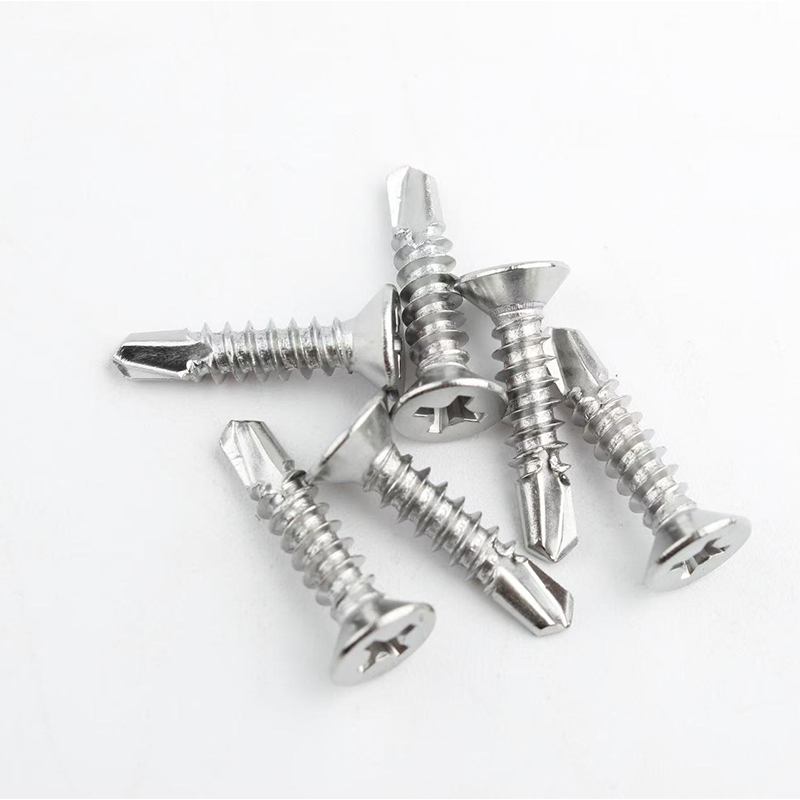
Countersunk self tapping screws for plastic are specialized fasteners engineered to join thermoplastic and composite materials without causing stress cracks or material failure. Unlike standard metal screws, these fasteners feature a wider thread pitch, blunt tips, and optimized head angles to distribute clamping force evenly. For B2B manufacturers and engineers, selecting the right OEM partner is critical to ensuring dimensional precision and material compatibility. Handan Shengtong Fastener Manufacturing Co., Ltd. provides high-precision solutions tailored for automotive, electronics, and industrial assembly applications, ensuring secure joints in challenging plastic substrates.
What Are Countersunk Self Tapping Screws for Plastic?
Countersunk self tapping screws designed for plastic are distinct from their metal-fastening counterparts. The primary challenge in fastening plastic is its tendency to crack under high radial pressure or strip due to low shear strength. These screws address these issues through specific geometric modifications.
The “countersunk” head allows the screw to sit flush with or below the surface of the plastic component, providing a smooth aesthetic finish and preventing snagging in moving assemblies. The “self-tapping” feature means the screw creates its own internal thread as it is driven into a pre-drilled pilot hole, eliminating the need for separate nuts or inserts in many applications.
Key Design Differences from Metal Screws
When comparing fasteners for plastic versus metal, several engineering parameters change significantly:
- Thread Pitch: Plastic screws have a coarser (wider) thread pitch. This increases the amount of plastic material engaged between threads, enhancing pull-out resistance and reducing the likelihood of stripping.
- Tip Geometry: Instead of a sharp, aggressive point used for sheet metal, plastic screws often feature a blunt or slightly rounded tip. This prevents the screw from acting like a wedge that splits the plastic during insertion.
- Head Angle: Standard countersunk heads typically have an 82-degree angle. For softer plastics, this angle may be adjusted to reduce the vertical splitting force exerted by the head as it seats.
- Core Diameter: A larger core diameter relative to the outer thread diameter provides greater torsional strength, preventing the screw head from snapping off during high-torque installation.
Why Choose OEM Manufacturing for Plastic Fasteners?
In high-volume industries such as consumer electronics and automotive interiors, off-the-shelf fasteners often fail to meet precise tolerance requirements. Original Equipment Manufacturer (OEM) production allows for customization based on the specific resin type, wall thickness, and load-bearing requirements of the application.
Handan Shengtong Fastener Manufacturing Co., Ltd., established in 2018 in Handan City, Hebei Province, specializes in this level of customization. Located in one of China’s most important fastener industry bases, the company leverages modern manufacturing capabilities to deliver high-strength, high-precision products. Their philosophy of “Quality first, customer supreme” drives their R&D process, ensuring that every batch of countersunk self tapping screws meets rigorous international standards.
Benefits of Customized Thread Profiles
Generic screws may work for prototyping, but mass production demands optimization. OEM manufacturing enables:
- Material-Specific Tuning: Adjusting thread depth for brittle plastics like Polystyrene (PS) versus ductile plastics like Polypropylene (PP).
- Coating Optimization: Applying lubricious coatings to reduce driving torque and prevent galling.
- Dimensional Precision: Tighter tolerances on head height and thread major/minor diameters to ensure consistent automated assembly.
Technical Specifications and Material Selection
Selecting the correct material and coating is as vital as the screw’s geometry. The chemical compatibility between the fastener and the plastic substrate can determine the longevity of the assembly, especially in environments with temperature fluctuations or exposure to chemicals.
| Material Grade | Characteristics | Best Application |
|---|---|---|
| Stainless Steel 304/316 | High corrosion resistance, good strength, non-magnetic. | Outdoor electronics, medical devices, marine environments. |
| Carbon Steel (Class 4.8/8.8) | High tensile strength, cost-effective, requires coating. | Automotive interiors, appliance housings, general machinery. |
| Nylon (PA6/PA66) | Lightweight, electrically insulating, corrosion-proof. | PCB mounting, lightweight consumer goods, chemical exposure. |
| Brass | Excellent conductivity, corrosion resistant, soft. | Electrical components, decorative fixtures. |
Surface Treatments for Enhanced Performance
For carbon steel screws, surface treatment is mandatory to prevent rust and aid installation. Common treatments include:
- Zinc Plating: Provides basic corrosion protection and a bright finish.
- Nickel Plating: Offers superior corrosion resistance and a hard, wear-resistant surface.
- Dacromet/Geomet: High-performance coatings ideal for automotive applications requiring salt spray resistance.
- Lubricant Coatings: Waxes or polymer coatings that significantly reduce the coefficient of friction, allowing for faster driving speeds in automated assembly lines without stripping the plastic.
Engineering Guidelines: How to Install Screws in Plastic
Proper installation is critical to preventing failure. Even the best-designed screw will fail if the installation process ignores the physical properties of plastic. Plastic is viscoelastic, meaning it reacts to stress over time. Creep (cold flow) can cause joints to loosen if not properly managed.
Step-by-Step Installation Best Practices
- Determine Pilot Hole Size: The pilot hole diameter should generally be 85-90% of the screw’s minor diameter. This ensures enough material remains for the threads to engage while minimizing insertion force.
- Control Driving Speed: High RPMs generate heat through friction. Excessive heat can melt the plastic around the threads, creating a weak joint. Use lower speeds (typically under 500 RPM) for sensitive plastics.
- Monitor Torque: Use torque-controlled drivers. Over-tightening causes immediate cracking or long-term stress relaxation. Under-tightening leads to loose joints.
- Allow for Relaxation: After installation, allow the assembly to rest. Plastic undergoes stress relaxation; a follow-up torque check after 24 hours may be necessary for critical applications.
Common Installation Errors to Avoid
- Using Metal Screws in Plastic: Standard sheet metal screws have sharp tips and fine threads that act like wedges, splitting the plastic.
- Ignoring Wall Thickness: Ensure the plastic wall is thick enough to accommodate at least 2-3 full threads. Thin walls require special boss designs or inserts.
- Perpendicularity Issues: Driving the screw at an angle concentrates stress on one side of the hole, leading to immediate fracture.
Application Scenarios for Countersunk Plastic Screws
The versatility of countersunk self tapping screws makes them indispensable across various industries. Handan Shengtong Fastener Manufacturing Co., Ltd. serves diverse sectors, leveraging its location in Hebei’s industrial hub to supply high-quality components globally.
Consumer Electronics
In smartphones, laptops, and home appliances, aesthetics and space efficiency are paramount. Countersunk heads provide a flush surface, essential for ergonomic designs. The screws must hold tightly despite vibration and thermal cycling without cracking delicate ABS or polycarbonate housings.
Automotive Interiors
Modern vehicles use extensive plastic trim, dashboards, and paneling. Fasteners here must withstand significant temperature variations (-40°C to +85°C) and vibration. OEM suppliers like Handan Shengtong ensure that screws meet automotive-grade durability standards, preventing rattles and loosening over the vehicle’s lifespan.
Industrial Machinery and Enclosures
Control panels, sensor housings, and protective covers often utilize engineered plastics like PBT or Nylon for their electrical insulation and flame retardancy. Self tapping screws allow for rapid assembly and disassembly for maintenance, provided the threads remain intact after multiple cycles.
Selection Guide: Choosing the Right Screw for Your Project
Engineers and procurement managers must consider several factors when specifying Countersnk lava Tapping Fropy mo palasitika. Making the wrong choice can lead to product recalls or assembly line stoppages.
Factor 1: Plastic Type and Brittleness
Brittle plastics (e.g., Polystyrene, Acrylic) require screws with lower expansion forces. A wider thread pitch and a more gradual lead-in are essential. Ductile plastics (e.g., Polyethylene, Polypropylene) can handle higher stresses but are prone to creep, requiring locking features or higher engagement lengths.
Factor 2: Load Requirements
Determine if the joint is subject to shear loads (side-to-side movement) or tensile loads (pulling apart). Self tapping screws are primarily designed for tensile holding. If shear loads are significant, consider adding locating pins or using shoulder screws.
Factor 3: Environmental Conditions
Will the product be exposed to UV light, moisture, or chemicals? Stainless steel or nylon screws are preferred for harsh environments. For indoor consumer goods, zinc-plated carbon steel offers a cost-effective balance.
Why Partner with Handan Shengtong Fastener?
In the competitive landscape of fastener manufacturing, reliability and technical expertise set leaders apart. Handan Shengtong Fastener Manufacturing Co., Ltd. has built a reputation since 2018 for delivering consistent quality and responsive service.
Expertise in R&D: The company does not just manufacture; it collaborates. Their team understands the nuances of plastic fastening, offering advice on pilot hole sizing and thread selection based on the client’s specific material data sheets.
Modern Manufacturing Infrastructure: Located in Handan City, a central hub for China’s fastener industry, the company utilizes advanced cold heading and threading machinery. This ensures high precision and uniformity across large production runs.
Quality Assurance: Adhering to the principle of “Quality first,” Handan Shengtong implements strict quality control measures. From raw material inspection to final dimensional checks, every step is monitored to ensure compliance with international standards.
Diverse Industry Solutions: Whether for construction, machinery, automotive, or power industries, the company provides diversified solutions. Their ability to customize countersunk self tapping screws for specific plastic applications makes them a preferred partner for B2B clients seeking reliable OEM services.
Frequently Asked Questions (FAQ)
What is the difference between self tapping and self drilling screws for plastic?
Self tapping screws require a pre-drilled pilot hole and form threads in the existing material. Self drilling screws have a drill-like tip that creates the hole and threads simultaneously. For plastic, self tapping screws are generally preferred because the heat and force generated by self-drilling tips can crack or melt brittle plastics.
How do I prevent plastic from cracking when driving screws?
To prevent cracking, use screws specifically designed for plastic with a wide thread pitch and blunt tip. Ensure the pilot hole is correctly sized (not too small). Control the driving torque and speed to avoid excessive radial expansion. Using a lubricated screw can also reduce friction and insertion force.
Can self tapping screws be reused in plastic?
Reusability is limited. Each time a screw is removed and reinserted, some plastic material is sheared off. After 2-3 cycles, the holding strength may decrease significantly. For applications requiring frequent disassembly, consider using threaded inserts or machine screws with molded-in nuts.
What head style is best for plastic assemblies?
Countersunk heads are ideal for flush finishes. However, if the plastic is very soft, a washer head or pan head might distribute the load better and prevent the head from pulling through the material. The choice depends on aesthetic requirements and load distribution needs.
Does Handan Shengtong offer custom packaging for OEM orders?
Yes, as a dedicated OEM manufacturer, Handan Shengtong Fastener Manufacturing Co., Ltd. offers customized packaging solutions to meet specific logistical and branding requirements for B2B clients.
Conclusion and Next Steps
Countersunk self tapping screws for plastic are critical components that bridge the gap between design aesthetics and structural integrity. Selecting the right fastener involves understanding material properties, thread geometry, and installation dynamics. Poor choices lead to product failure, while optimized solutions enhance durability and assembly efficiency.
For businesses seeking a reliable supply chain partner, Handan Shengtong Fastener Manufacturing Co., Ltd. offers the technical expertise and manufacturing capacity needed for high-quality OEM production. Their commitment to precision and customer satisfaction ensures that your fastening solutions meet the highest industry standards.
Ready to optimize your assembly process?
If you are looking for high-precision countersunk self tapping screws tailored to your specific plastic materials, contact our engineering team today. We provide detailed technical consultations, sample testing, and competitive OEM pricing.
Explore our full range of fastener solutions and request a quote