- English
- Chinese
- French
- German
- Portuguese
- Spanish
- Russian
- Japanese
- Korean
- Arabic
- Irish
- Greek
- Turkish
- Italian
- Danish
- Romanian
- Indonesian
- Czech
- Afrikaans
- Swedish
- Polish
- Basque
- Catalan
- Esperanto
- Hindi
- Lao
- Albanian
- Amharic
- Armenian
- Azerbaijani
- Belarusian
- Bengali
- Bosnian
- Bulgarian
- Cebuano
- Chichewa
- Corsican
- Croatian
- Dutch
- Estonian
- Filipino
- Finnish
- Frisian
- Galician
- Georgian
- Gujarati
- Haitian
- Hausa
- Hawaiian
- Hebrew
- Hmong
- Hungarian
- Icelandic
- Igbo
- Javanese
- Kannada
- Kazakh
- Khmer
- Kurdish
- Kyrgyz
- Latin
- Latvian
- Lithuanian
- Luxembou..
- Macedonian
- Malagasy
- Malay
- Malayalam
- Maltese
- Maori
- Marathi
- Mongolian
- Burmese
- Nepali
- Norwegian
- Pashto
- Persian
- Punjabi
- Serbian
- Sesotho
- Sinhala
- Slovak
- Slovenian
- Somali
- Scots Gaelic
- Shona
- Sindhi
- Sundanese
- Swahili
- Tajik
- Tamil
- Telugu
- Thai
- Ukrainian
- Urdu
- Uzbek
- Vietnamese
- Welsh
- Xhosa
- Yiddish
- Yoruba
- Zulu
- Kinyarwanda
- Tatar
- Oriya
- Turkmen
- Uyghur



Hex Socket Head Cap Screw: OEM Manufacturer & Wholesale Price
2026-11-04
- What Is a Hex Socket Head Cap Screw?
- Key Features and Engineering Advantages
- Technical Specifications and Standards
- Material Selection Guide
- Common Applications Across Industries
- How to Choose the Right Hex Socket Head Cap Screw
- Installation Best Practices and Common Mistakes
- Why Partner with Handan Shengtong for OEM and Wholesale?
- Frequently Asked Questions (FAQ)
- Conclusion: Securing Your Supply Chain with Precision Fasteners
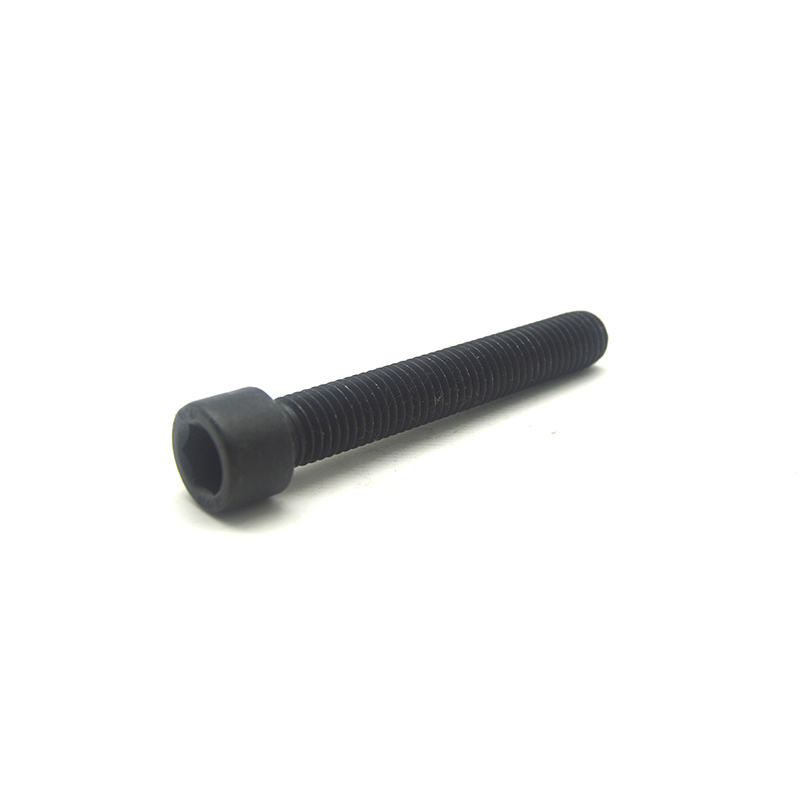
A Herx Socky ulu pulou siku is a precision fastener featuring a cylindrical head with an internal hexagonal drive, designed for high-torque applications where space is limited. Unlike standard bolts, these screws offer superior clamping force and a streamlined profile, making them essential in machinery, automotive, and aerospace assemblies. As a specialized OEM manufacturer, Handan Shengtong Fastener Manufacturing Co., Ltd. provides high-strength, ISO-compliant socket cap screws tailored for industrial wholesale needs, ensuring reliability in critical structural connections.
What Is a Hex Socket Head Cap Screw?
The Hex Socket Head Cap Screw, often referred to as an Allen bolt or socket screw, is defined by its distinct head geometry and drive mechanism. The head is cylindrically shaped with a flat bearing surface, allowing it to sit flush or slightly protrude from the assembly surface. The defining feature is the internal hexagonal socket, which requires an Allen key (hex key) or a hex bit driver for installation.
This design offers significant engineering advantages over external drive fasteners like hex head bolts. The internal drive allows for a larger head diameter relative to the shank size, providing a greater bearing area to distribute load. This reduces the risk of surface damage to the materials being joined. Furthermore, the cylindrical head can be easily counterbored, enabling a completely flush finish that is critical in aerodynamic applications or moving mechanical parts where protrusions could cause interference.
In industrial manufacturing, these fasteners are categorized under various international standards, including DIN 912, ISO 4762, and ASME B18.3. Understanding these specifications is vital for engineers and procurement specialists to ensure compatibility and performance integrity in their designs.
Key Features and Engineering Advantages
When selecting fasteners for high-performance applications, the structural integrity of the connection is paramount. Hex socket head cap screws are engineered to meet rigorous demands through several key features:
- High Torque Transmission: The internal hex drive allows for higher torque application compared to slotted or Phillips heads. This ensures a tighter clamp load, which is essential for preventing loosening in vibratory environments.
- Compact Design: The absence of an external head wrenching surface allows these screws to be used in confined spaces where a traditional wrench or socket cannot fit. This is particularly valuable in dense electronic enclosures or complex machinery assemblies.
- Precision Fit: Manufactured to tight tolerances, these screws provide consistent thread engagement. High-precision threading reduces the risk of cross-threading and ensures uniform load distribution across the joint.
- Versatile Material Options: Available in carbon steel, alloy steel, and stainless steel (such as A2-70 and A4-80), these fasteners can be selected based on environmental conditions, including corrosion resistance requirements and tensile strength needs.
Handan Shengtong Fastener Manufacturing Co., Ltd. leverages advanced cold-heading and thread-rolling technologies to produce these features consistently. Established in 2018 in Handan City, Hebei Province, the company has positioned itself as a modern manufacturing enterprise focused on R&D and high-precision production. By adhering to a “Quality first, customer supreme” philosophy, Shengtong ensures that every batch of socket head cap screws meets the stringent requirements of the construction, machinery, and automotive sectors.
Technical Specifications and Standards
Understanding the technical parameters of hex socket head cap screws is crucial for proper selection. These fasteners are governed by strict dimensional and mechanical property standards. Below is a breakdown of the critical specifications that define quality and performance.
Dimensional Standards (DIN 912 / ISO 4762)
The most common standard for metric hex socket head cap screws is DIN 912 or its international equivalent, ISO 4762. These standards dictate the head diameter, head height, socket size, and thread length. For inch-series fasteners, ASME B18.3 is the primary reference.
| Parameter | Faʻamatalaga | Engineering Significance |
|---|---|---|
| Nominal Diameter (d) | The major diameter of the thread (e.g., M6, M8, 1/4″). | Determines the load-bearing capacity and hole size required. |
| Head Diameter (dk) | The outer diameter of the cylindrical head. | Must be compatible with counterbore dimensions; affects spacing. |
| Head Height (k) | The vertical height of the head. | Critical for determining the depth of the counterbore needed for flush mounting. |
| Socket Size (s) | The width across flats of the internal hex. | Dictates the tool size required; undersized sockets may strip under high torque. |
| Thread Pitch (P) | The distance between thread crests. | Fine pitches offer better vibration resistance; coarse pitches allow faster assembly. |
Mechanical Property Classes
The strength of a socket head cap screw is defined by its property class. For metric fasteners, common classes include 8.8, 10.9, and 12.9. The number before the decimal indicates the ultimate tensile strength in MPa (divided by 100), while the number after represents the yield strength ratio.
- Class 8.8: Medium carbon steel, quenched and tempered. Suitable for general engineering applications.
- Class 10.9: Alloy steel, quenched and tempered. Used in high-stress structural applications.
- Class 12.9: Highest strength grade for standard steel screws. Ideal for critical joints in automotive and heavy machinery where maximum clamping force is required.
Stainless steel variants, such as A2-70 and A4-80, prioritize corrosion resistance over extreme tensile strength. A4-80 (316 stainless) is particularly effective in marine or chemical processing environments due to its molybdenum content.
Material Selection Guide
Choosing the right material for your hex socket head cap screws is as important as selecting the correct size. The operating environment dictates whether strength or corrosion resistance should be the priority.
Carbon and Alloy Steel
Carbon steel is the most common material for high-strength applications. When heat-treated (quenched and tempered), it achieves the high tensile strengths required for Class 10.9 and 12.9 fasteners. These screws are typically coated with zinc plating, black oxide, or geometric coatings to provide moderate corrosion protection. They are the go-to choice for indoor machinery, automotive engines, and structural steelwork where environmental exposure is minimal.
Stainless Steel (A2/A4)
Stainless steel socket screws are essential for outdoor, marine, or hygienic applications. Grade A2 (304 stainless) offers good corrosion resistance for general outdoor use. Grade A4 (316 stainless) provides superior resistance to chlorides and acids, making it ideal for coastal environments, food processing equipment, and pharmaceutical machinery. While stainless steel generally has lower tensile strength than hardened alloy steel, it maintains integrity in harsh chemical environments where carbon steel would rapidly degrade.
Specialty Alloys
For extreme conditions, such as high temperatures or aggressive chemical exposure, specialty alloys like Inconel or Titanium may be used. However, for the vast majority of industrial applications, high-quality carbon steel and stainless steel produced by manufacturers like Handan Shengtong Fastener Manufacturing Co., Ltd. provide the optimal balance of performance and cost-efficiency.
Common Applications Across Industries
The versatility of the hex socket head cap screw makes it a staple in various sectors. Its ability to provide high clamping force in a compact package solves numerous engineering challenges.
Automotive and Transportation
In the automotive industry, space is at a premium. Socket head cap screws are extensively used in engine assemblies, transmission housings, and suspension systems. Their ability to be counterbored allows for smooth surfaces that do not interfere with moving parts or airflow. High-strength Class 10.9 and 12.9 screws are critical here to withstand the intense vibrations and dynamic loads experienced during vehicle operation.
Machinery and Equipment Manufacturing
Industrial machinery relies on precise alignment and rigid connections. Socket screws are used to secure gearboxes, motor mounts, and frame structures. The internal hex drive allows for automated assembly using power tools with hex bits, speeding up production lines. Additionally, the clean aesthetic of socket screws is preferred in consumer-facing equipment where visual appeal matters.
Construction and Structural Steel
While hex head bolts are more common for large structural beams, socket head cap screws are used in pre-fabricated components, curtain walls, and architectural metalwork. Their low-profile head allows for sleeker designs in modern architecture. Stainless steel variants are frequently employed in facade installations to prevent rust stains on building exteriors.
Power and Energy Sector
In power generation and distribution, reliability is non-negotiable. Socket screws are used in turbine assemblies, transformer housings, and renewable energy infrastructure like wind turbines. The high precision and consistent quality of these fasteners ensure that critical energy infrastructure remains secure under continuous operational stress.
Handan Shengtong Fastener Manufacturing Co., Ltd. supports these diverse industries by offering diversified fastener solutions. Located in Handan City, a pivotal hub for China’s fastener industry, the company utilizes its strategic location and modern manufacturing capabilities to deliver high-precision products globally. Their commitment to providing solutions for the power, construction, and machinery sectors underscores their role as a reliable partner in the supply chain.
How to Choose the Right Hex Socket Head Cap Screw
Selecting the appropriate fastener involves balancing mechanical requirements, environmental factors, and assembly constraints. Follow this step-by-step guide to make an informed decision.
Step 1: Determine Load Requirements
Calculate the shear and tensile loads the joint will experience. For high-load applications, opt for alloy steel screws in Class 10.9 or 12.9. For lighter loads or where vibration damping is needed, standard Class 8.8 or stainless steel may suffice.
Step 2: Assess Environmental Conditions
If the application is exposed to moisture, salt, or chemicals, choose stainless steel (A4-80 for harsh environments). For dry, indoor environments, zinc-plated carbon steel is a cost-effective and strong option. Consider additional coatings like Dacromet for enhanced corrosion protection if necessary.
Step 3: Evaluate Space Constraints
Measure the available space for the head and the tool. If the head must be flush with the surface, ensure the component can be counterbored to the specified head height (k). Verify that the Allen key or bit can access the socket without obstruction from surrounding walls.
Step 4: Check Thread Engagement
Ensure the screw length allows for sufficient thread engagement in the tapped hole or nut. A general rule of thumb is that the engagement length should be at least 1.5 times the nominal diameter for steel threads to achieve full strength. Insufficient engagement can lead to thread stripping before the screw reaches its yield point.
Installation Best Practices and Common Mistakes
Even the highest quality fastener can fail if installed incorrectly. Adhering to best practices ensures the longevity and safety of the assembly.
- Use the Correct Tool Size: Using a worn or incorrect-sized Allen key is the leading cause of socket stripping. Ensure the tool fits snugly into the hex socket. For high-torque applications, use impact-rated bits.
- Apply Proper Torque: Over-tightening can stretch the screw beyond its yield point, causing immediate failure or delayed fatigue breakage. Under-tightening leads to loose joints and vibration-induced loosening. Use a calibrated torque wrench and follow manufacturer specifications.
- Lubrication: Applying a suitable lubricant or anti-seize compound can reduce friction during tightening, ensuring that the applied torque translates into clamping force rather than overcoming thread friction. This is especially important for stainless steel screws, which are prone to galling.
- Avoid Cross-Threading: Start the screw by hand to ensure proper thread alignment. Using a power tool from the start increases the risk of cross-threading, which damages both the screw and the tapped hole.
Handan Shengtong Fastener Manufacturing Co., Ltd. emphasizes the importance of precision in every stage of production, from raw material selection to final inspection. This dedication to quality minimizes the risk of defects such as inconsistent thread pitches or weak head-to-shank transitions, thereby supporting safer and more reliable installation outcomes for their clients.
Why Partner with Handan Shengtong for OEM and Wholesale?
In the competitive landscape of global fastener supply, finding a manufacturer that balances quality, price, and reliability is challenging. Handan Shengtong Fastener Manufacturing Co., Ltd. stands out as a premier partner for businesses seeking high-quality hex socket head cap screws.
Strategic Location and Infrastructure: Located in Handan City, Hebei Province, the company benefits from being in the heart of China’s fastener manufacturing base. This location provides access to a robust supply chain of raw materials and skilled labor, enabling efficient production and competitive pricing.
Modern Manufacturing Capabilities: Since its establishment in 2018, Shengtong has invested in modern manufacturing equipment. The facility specializes in the R&D, production, and sales of fasteners, ensuring that they stay ahead of industry trends and technological advancements. Their capability to produce high-strength, high-precision fasteners meets the diverse needs of the construction, machinery, automotive, and power industries.
Customer-Centric Philosophy: Adhering to the business philosophy of “Quality first, customer supreme,” Handan Shengtong is committed to providing tailored solutions. Whether you require standard off-the-shelf items or custom OEM specifications, their team is equipped to deliver products that meet exact technical requirements. This approach builds long-term trust and reliability, which are cornerstones of successful B2B partnerships.
Quality Assurance: The company implements rigorous quality control processes throughout the manufacturing cycle. From chemical composition analysis of raw wires to hardness testing and dimensional inspection of finished products, every step is monitored to ensure compliance with international standards. This dedication to quality assurance minimizes the risk of field failures and protects the reputation of their clients’ end products.
Frequently Asked Questions (FAQ)
What is the difference between a hex socket head cap screw and a button head socket screw?
The primary difference lies in the head profile. A hex socket head cap screw has a cylindrical head with a flat top, designed for high clamping force and counterboring. A button head socket screw has a low-profile, domed head that sits above the surface. Button heads are used when a lower profile is needed but counterboring is not feasible, though they generally offer lower clamping force due to a smaller bearing surface.
Can hex socket head cap screws be reused?
High-strength alloy steel screws (Class 10.9 and 12.9) are generally not recommended for reuse after being tightened to their yield point, as they may have undergone plastic deformation. Stainless steel and lower-grade carbon steel screws can often be reused if they show no signs of stretching, thread damage, or corrosion. Always inspect fasteners carefully before reuse in critical applications.
What torque values should be used for M8 socket head cap screws?
Torque values depend on the material class and lubrication. For an M8 Class 10.9 screw, a typical torque value might range between 25 to 30 Nm, while an M8 Class 8.8 screw might require around 20 to 25 Nm. Always refer to specific engineering tables or manufacturer guidelines for precise torque specifications, as these can vary based on surface finish and thread condition.
How does Handan Shengtong ensure product consistency?
Handan Shengtong employs advanced automated manufacturing equipment and strict quality control protocols. Each production batch undergoes dimensional checks, hardness testing, and visual inspections. Their location in Handan, a major fastener hub, allows them to source high-quality raw materials consistently, ensuring that every screw meets the required standards for strength and precision.
Are custom sizes available for wholesale orders?
Yes, as an OEM manufacturer, Handan Shengtong Fastener Manufacturing Co., Ltd. offers customization services. Clients can request specific lengths, thread pitches, head dimensions, or material grades to suit unique application requirements. This flexibility allows businesses to optimize their designs without being constrained by standard off-the-shelf limitations.
Conclusion: Securing Your Supply Chain with Precision Fasteners
The Hex Socket Head Cap Screw is more than just a fastener; it is a critical component that ensures the structural integrity, safety, and performance of modern machinery and infrastructure. From the high-vibration environment of an automotive engine to the corrosive conditions of a marine platform, selecting the right specification and material is essential for long-term reliability.
For businesses seeking a reliable supply partner, Handan Shengtong Fastener Manufacturing Co., Ltd. offers a compelling combination of manufacturing expertise, quality assurance, and customer-focused service. With their state-of-the-art facilities in Handan City and a commitment to high-precision production, they are well-equipped to support the demanding needs of the global industrial sector. Whether you require standard wholesale volumes or specialized OEM solutions, partnering with a manufacturer that prioritizes quality and precision is the first step toward achieving operational excellence.
To explore our full range of hex socket head cap screws and discuss your specific project requirements, contact our sales team today. Let us provide you with a tailored quote and technical support to ensure your next assembly is built on a foundation of strength and reliability.