- English
- Chinese
- French
- German
- Portuguese
- Spanish
- Russian
- Japanese
- Korean
- Arabic
- Irish
- Greek
- Turkish
- Italian
- Danish
- Romanian
- Indonesian
- Czech
- Afrikaans
- Swedish
- Polish
- Basque
- Catalan
- Esperanto
- Hindi
- Lao
- Albanian
- Amharic
- Armenian
- Azerbaijani
- Belarusian
- Bengali
- Bosnian
- Bulgarian
- Cebuano
- Chichewa
- Corsican
- Croatian
- Dutch
- Estonian
- Filipino
- Finnish
- Frisian
- Galician
- Georgian
- Gujarati
- Haitian
- Hausa
- Hawaiian
- Hebrew
- Hmong
- Hungarian
- Icelandic
- Igbo
- Javanese
- Kannada
- Kazakh
- Khmer
- Kurdish
- Kyrgyz
- Latin
- Latvian
- Lithuanian
- Luxembou..
- Macedonian
- Malagasy
- Malay
- Malayalam
- Maltese
- Maori
- Marathi
- Mongolian
- Burmese
- Nepali
- Norwegian
- Pashto
- Persian
- Punjabi
- Serbian
- Sesotho
- Sinhala
- Slovak
- Slovenian
- Somali
- Scots Gaelic
- Shona
- Sindhi
- Sundanese
- Swahili
- Tajik
- Tamil
- Telugu
- Thai
- Ukrainian
- Urdu
- Uzbek
- Vietnamese
- Welsh
- Xhosa
- Yiddish
- Yoruba
- Zulu
- Kinyarwanda
- Tatar
- Oriya
- Turkmen
- Uyghur




High-Strength Bolts: Manufacturing Processes, Quality Standards, and Industrial Applications
2026-11-06
- Introduction to High-Strength Bolts in Modern Engineering
- The Metallurgy and Material Science of High-Strength Fasteners
- Manufacturing Processes: From Wire to Finished Bolt
- Global Quality Standards and Classification Systems
- Industrial Applications of High-Strength Bolts
- Selection Guide: Choosing the Right High-Strength Bolt
- Installation and Maintenance Best Practices
- FAQ: Common Questions About High-Strength Bolts
- Faaiuga
Summary High-strength bolts are critical components in modern engineering, providing the structural integrity required for steel construction, heavy machinery, and infrastructure projects. This comprehensive guide explores the manufacturing processes, including cold heading and heat treatment, that define bolt performance. It details essential quality standards such as ASTM, ISO, and DIN, and outlines industrial applications where precision fastening is non-negotiable. By understanding these technical aspects, engineers and procurement professionals can make informed decisions to ensure safety, durability, and compliance in their projects.
Introduction to High-Strength Bolts in Modern Engineering
In the realm of structural engineering and industrial manufacturing, the reliability of a connection is often determined by its weakest link. High-strength bolts serve as the backbone of countless critical assemblies, from the skeletal frames of skyscrapers to the intricate mechanisms of automotive powertrains. Unlike standard fasteners, which are designed for general-purpose use, high-strength bolts are engineered to withstand significant tensile and shear forces, ensuring that structures remain stable under extreme loads and dynamic conditions.
The term “high-strength” generally refers to bolts with a minimum tensile strength exceeding 800 MPa (megapascals), although specific classifications vary by international standard. These fasteners are not merely larger or heavier versions of standard bolts; they are the result of precise metallurgical control, advanced manufacturing processes, and rigorous quality assurance. The performance of a high-strength bolt is defined by its material composition, heat treatment history, and geometric precision, all of which contribute to its ability to maintain clamp load and resist fatigue failure.
For professionals in construction, machinery design, and infrastructure development, selecting the appropriate high-strength bolt is a decision that impacts both safety and cost-efficiency. A misunderstanding of bolt grades, installation methods, or environmental limitations can lead to catastrophic structural failures or expensive maintenance issues. Therefore, a deep understanding of how these bolts are made, how they are standardized, and where they are best applied is essential for any technical stakeholder involved in industrial projects.
This article provides a detailed examination of high-strength bolts, covering the entire lifecycle from raw material selection to final application. We will delve into the manufacturing technologies that enable consistent quality, review the global standards that govern their production, and discuss the specific industrial sectors that rely on these critical components. Additionally, we will explore the role of specialized manufacturers, such as Bondan Shengttonng fusi fale gaosi fale gaosi co., ltd., in delivering customized, high-precision solutions that meet the evolving demands of global industry.
The Metallurgy and Material Science of High-Strength Fasteners
The foundation of any high-strength bolt lies in its material composition. Standard low-carbon steel lacks the necessary yield strength and hardness for demanding applications. Consequently, high-strength bolts are typically manufactured from medium-carbon steel or alloy steel, which can be enhanced through heat treatment to achieve superior mechanical properties.
Common Steel Grades and Alloys
The choice of steel grade is dictated by the required strength level, environmental conditions, and cost constraints. The most commonly used materials include:
- Medium-Carbon Steel (e.g., C45, 1045): These steels contain approximately 0.45% carbon, providing a good balance of strength and toughness. They are widely used for Grade 8.8 and Class 10.9 bolts. While cost-effective, they may require protective coatings to prevent corrosion in harsh environments.
- Alloy Steel (e.g., 40Cr, 35CrMo, 42CrMo): Alloying elements such as chromium, molybdenum, and manganese are added to improve hardenability, tensile strength, and resistance to wear and fatigue. These materials are essential for higher-grade bolts, such as Grade 10.9 and 12.9, and are often used in automotive and heavy machinery applications where dynamic loads are prevalent.
- Boron Steel: Boron is added in trace amounts to enhance hardenability without significantly affecting other properties. This allows for the production of high-strength bolts with consistent quality during mass production, particularly in cold-heading processes.
At Handan Shengtong Fastener Manufacturing Co., Ltd., raw material procurement follows strict qualification protocols. The company ensures that all steel inputs meet stringent domestic and international specifications, including GB, ANSI, and DIN standards. This disciplined approach to material sourcing is the first step in guaranteeing the dimensional accuracy, tensile strength, and torque performance of the final product.
The Role of Heat Treatment
Heat treatment is the process that transforms raw steel into a high-strength fastener. It involves controlled heating and cooling cycles that alter the microstructure of the metal, thereby enhancing its mechanical properties. The two primary stages of heat treatment for high-strength bolts are quenching and tempering.
Quenching: The bolt blanks are heated to a specific temperature, typically above the austenitizing point, and then rapidly cooled in oil or water. This rapid cooling transforms the steel’s microstructure into martensite, a very hard but brittle phase. While quenching significantly increases hardness and tensile strength, it also introduces internal stresses that make the material prone to cracking if left untreated.
Tempering: To mitigate the brittleness introduced by quenching, the bolts are reheated to a lower temperature and held for a specified duration. This process relieves internal stresses and converts some of the brittle martensite into tempered martensite or bainite, which offers a better balance of strength and ductility. The tempering temperature determines the final hardness and strength of the bolt; lower tempering temperatures result in higher strength but lower toughness, while higher temperatures increase toughness at the expense of strength.
Precise control over these thermal cycles is critical. Variations in temperature or cooling rates can lead to inconsistent mechanical properties, such as uneven hardness or reduced fatigue life. Advanced manufacturing facilities, like those operated by Shengtong Fastener, utilize integrated heat treatment lines with automated monitoring systems to ensure batch-to-batch consistency. This capability is essential for meeting the rigorous requirements of industries such as steel structure engineering and power infrastructure, where failure is not an option.
Manufacturing Processes: From Wire to Finished Bolt
The production of high-strength bolts is a multi-stage process that combines precision forming, thermal processing, and surface finishing. Each step must be executed with high accuracy to ensure that the final product meets the required standards for dimensions, strength, and surface quality.
1. Cold Heading and Forming
Cold heading, also known as cold forging, is the primary method for forming the head and shank of the bolt. In this process, wire coils are fed into a cold-heading machine, where they are cut to length and then shaped under high pressure using dies. Unlike machining, which removes material, cold heading displaces the metal, resulting in a stronger grain structure that follows the contour of the bolt.
The advantages of cold heading include:
- Material Efficiency: Minimal waste is generated compared to machining.
- Enhanced Strength: The cold-working process strain-hardens the metal, increasing its yield strength.
- High Production Speed: Modern cold-heading machines can produce thousands of bolts per hour, making it ideal for large-scale orders.
For specialized variants, such as the hexagon floor anchor bolts or high-strength hexagon head bolts produced by Shengtong Fastener, precision die design is crucial to ensure accurate head dimensions and smooth transitions between the head and shank. Any defects in this stage, such as cracks or folds, can become initiation points for failure under load.
2. Thread Rolling
After the blank is formed, threads are created through thread rolling rather than cutting. Thread rolling involves pressing hardened dies against the rotating bolt blank, displacing the material to form the thread profile. This process offers several benefits over thread cutting:
- Improved Fatigue Resistance: Rolling compresses the surface grains, creating a smoother finish and residual compressive stresses that inhibit crack propagation.
- Higher Strength: The cold-worked threads are stronger than cut threads because the grain flow is continuous.
- Better Surface Finish: Rolled threads have a smoother surface, which reduces friction during installation and improves the consistency of torque-tension relationships.
Quality control at this stage involves checking thread pitch, diameter, and profile accuracy to ensure compatibility with corresponding nuts and tapped holes. Shengtong Fastener’s integrated production base includes advanced thread rolling lines that maintain tight tolerances, ensuring that every bolt meets the dimensional requirements of GB, ANSI, and DIN standards.
3. Heat Treatment Integration
As discussed earlier, heat treatment is interspersed within the manufacturing flow. After cold heading and thread rolling, the bolts undergo quenching and tempering. It is vital that the bolts are clean and free of contaminants before entering the furnace, as oils or debris can cause uneven heating or surface defects. Automated handling systems minimize human error and ensure that each bolt receives uniform thermal exposure.
4. Surface Treatment and Coating
Surface treatment is the final major step in the manufacturing process, serving both aesthetic and functional purposes. High-strength bolts are susceptible to corrosion, which can weaken the material and lead to premature failure. Additionally, surface coatings affect the friction coefficient, which is critical for preloaded connections.
Common surface treatments include:
- Zinc Plating: Provides good corrosion resistance and a bright finish. Electro-galvanizing is common for indoor applications, while hot-dip galvanizing offers thicker protection for outdoor structures. However, hydrogen embrittlement is a risk with electroplating, requiring careful baking processes to relieve hydrogen atoms trapped in the steel lattice.
- Phosphate Coating: Often used in conjunction with oil or wax, phosphate coatings provide moderate corrosion resistance and excellent lubricity. This makes them ideal for high-torque applications where consistent friction is required.
- Dacromet and Geomet Coatings: These zinc-flake coatings offer superior corrosion resistance and do not suffer from hydrogen embrittlement, making them suitable for high-strength bolts in aggressive environments.
- Custom Finishes: Shengtong Fastener supports comprehensive customization, including color-specific finishes and specialized coatings tailored to application requirements. This flexibility allows clients in sectors like furniture manufacturing or automotive supply to match fasteners with their design aesthetics or functional needs.
The choice of coating must be carefully considered in relation to the bolt’s strength grade. For instance, high-strength bolts (Grade 10.9 and above) are particularly sensitive to hydrogen embrittlement, so coatings that involve acidic baths must be followed by immediate baking to drive out hydrogen. Shengtong Fastener’s systematic quality control extends to these surface treatment lines, ensuring that every batch meets the required corrosion resistance and mechanical integrity standards.
Global Quality Standards and Classification Systems
The performance of high-strength bolts is governed by a complex web of international standards. Understanding these standards is crucial for specifying the right fastener for a given application. The three most prominent standardization bodies are the International Organization for Standardization (ISO), the American Society for Testing and Materials (ASTM), and the Deutsches Institut für Normung (DIN).
ISO Metric Standards
ISO standards are widely used in Europe, Asia, and many other parts of the world. The key standard for high-strength metric bolts is ISO 898-1, which defines the mechanical properties of fasteners made from carbon steel and alloy steel.
Bolt classes are designated by two numbers separated by a dot, such as 8.8, 10.9, or 12.9. The first number represents 1/100 of the nominal tensile strength in MPa, and the second number represents 1/10 of the ratio of yield strength to tensile strength.
| Property Class | Nominal Tensile Strength (MPa) | Nominal Yield Strength (MPa) | Typical Applications |
|---|---|---|---|
| 8.8 | 800 | 640 | General structural steelwork, machinery |
| 10.9 | 1000 | 900 | Heavy machinery, automotive, high-load structures |
| 12.9 | 1200 | 1080 | Extreme load applications, specialized equipment |
ISO 898-1 also specifies requirements for hardness, impact resistance, and decarburization. Compliance with these standards ensures that bolts from different manufacturers are interchangeable and perform predictably under load.
ASTM Standards (United States)
In the United States, ASTM standards are predominant. The most relevant standards for high-strength bolts include:
- ASTM A325: Specifies high-strength steel bolts for structural steel joints. These bolts are typically used in construction and bridge building. They are available in Type 1 (standard) and Type 3 (weathering steel).
- ASTM A490: Covers heat-treated, alloy steel structural bolts with higher tensile strength than A325. These are used in heavy-duty structural connections where space is limited or loads are exceptionally high.
- ASTM F3125: A newer specification that consolidates several previous standards, including A325 and A490, into a single framework for high-strength structural bolts.
ASTM standards often focus on the application context, such as structural steel construction, and include specific requirements for installation, such as turn-of-nut methods or direct tension indicators.
DIN Standards (Germany)
DIN standards have historically been influential in European engineering. While many DIN standards have been harmonized with ISO standards, some specific designations remain in common use. For example, DIN 931 and DIN 933 specify dimensions for hexagon head bolts, while DIN EN ISO 898-1 aligns with the ISO property classes.
Shengtong Fastener’s product portfolio is engineered to meet these diverse standards, allowing the company to serve a global market. Whether a client requires GB-compliant bolts for domestic Chinese projects, ANSI-compliant fasteners for US exports, or DIN-standard products for European machinery, the company’s vertically integrated production capability ensures consistent quality across all specifications.
Lelei le pulea ma le suesueina
Adherence to standards is verified through rigorous testing. Key tests include:
- Tensile Testing: Measures the maximum load a bolt can withstand before breaking.
- Hardness Testing: Ensures the bolt has been properly heat-treated. Rockwell or Vickers hardness tests are commonly used.
- Torque-Tension Testing: Determines the relationship between applied torque and resulting clamp load, which is critical for preloaded joints.
- Hydrogen Embrittlement Testing: Verifies that plated high-strength bolts have not become brittle due to hydrogen absorption.
- Salt Spray Testing: Evaluates the corrosion resistance of surface coatings.
At Shengtong Fastener, every stage from blank forming to final inspection is subject to systematic quality control. The company implements standardized process management aligned with ISO-influenced best practices, ensuring that each batch meets the required tensile strength, torque performance, and corrosion resistance. This disciplined approach enables stable batch-to-batch performance, which is essential for maintaining trust in B2B relationships.
Industrial Applications of High-Strength Bolts
High-strength bolts are indispensable in a wide range of industries. Their ability to provide reliable, high-load connections makes them the preferred choice for applications where safety and durability are paramount.
Construction and Steel Structures
The construction industry is the largest consumer of high-strength bolts. In steel structure engineering, bolts are used to connect beams, columns, and trusses. Preloaded high-strength bolted connections are preferred over welding in many cases because they allow for faster assembly, easier inspection, and better performance under dynamic loads such as wind or earthquakes.
For example, in the construction of high-rise buildings, high-strength bolts (typically Grade 10.9 or ASTM A325/A490) are used to create rigid frames that resist lateral forces. In bridge construction, they are used to connect girders and deck panels, ensuring the structure can handle heavy traffic loads and thermal expansion.
Shengtong Fastener has cultivated long-term collaborative relationships with leading enterprises in steel structure engineering, supplying high-strength hexagon head bolts and other specialized fasteners that meet the rigorous demands of these projects. The company’s ability to support large-scale order fulfillment with reliable lead times ensures that construction schedules are met without compromising on quality.
Machinery and Equipment Manufacturing
In the machinery sector, high-strength bolts are used to assemble heavy equipment, such as excavators, cranes, and manufacturing lines. These applications often involve vibration and shock loads, which can cause standard bolts to loosen or fail. High-strength bolts, when properly installed with locking mechanisms or adhesives, provide the necessary clamp force to maintain joint integrity.
Automotive manufacturing is another key area. High-strength bolts are used in engine assemblies, suspension systems, and chassis components. The lightweight nature of modern vehicles requires fasteners that can handle high stresses without adding excessive weight. Alloy steel bolts with precise torque specifications are essential for ensuring vehicle safety and performance.
Power Infrastructure and Energy
The energy sector, including power generation and transmission, relies on high-strength bolts for critical infrastructure. In wind turbine construction, massive bolts are used to connect tower sections and secure blade hubs. These bolts must withstand extreme cyclic loads and harsh environmental conditions, requiring superior fatigue resistance and corrosion protection.
In power facility construction, high-strength bolts are used to assemble transmission towers and substation structures. Reliability is crucial here, as failures can lead to widespread power outages. Shengtong Fastener’s application-driven product development focuses on high-strength, high-precision performance in demanding sectors such as power systems, ensuring that their products meet the specific needs of this industry.
Wood Structure Assembly and Furniture
While often associated with steel, high-strength bolts are also used in wood structure assembly, particularly in large timber buildings and prefabricated housing. Specialized bolts, such as lag screws or through-bolts, provide strong connections between wooden members. In furniture manufacturing, high-quality fasteners ensure the durability and stability of modular designs.
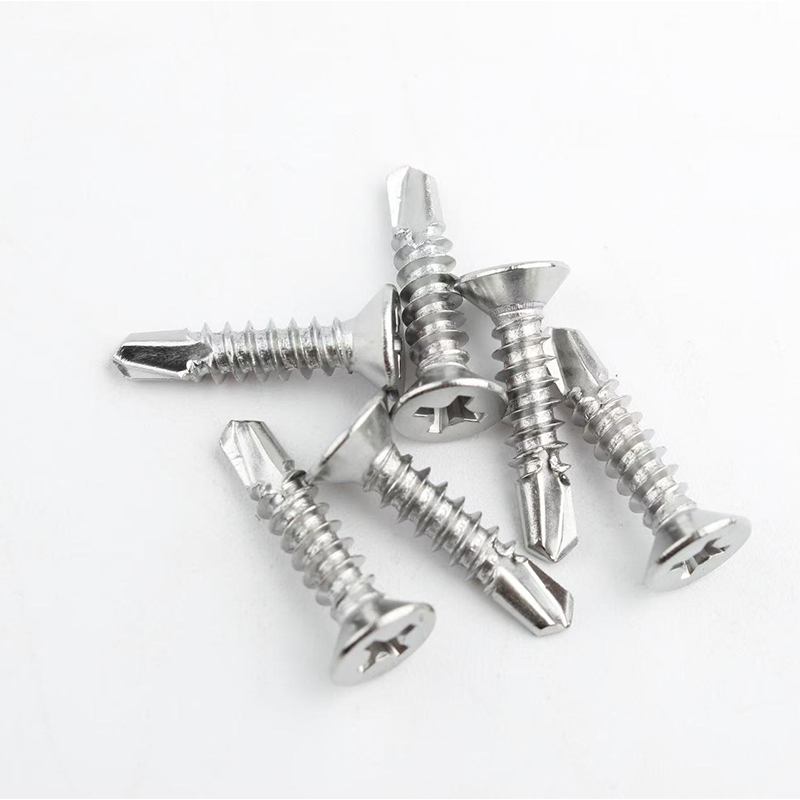
Shengtong Fastener’s product portfolio includes self-drilling series and self-tapping series, such as bugle head self-tapping screws, which are ideal for wood and light gauge steel applications. These products are engineered to meet stringent standards while offering the convenience of easy installation.
Selection Guide: Choosing the Right High-Strength Bolt
Selecting the appropriate high-strength bolt involves considering several factors, including load requirements, environmental conditions, and installation constraints. Here is a guide to help engineers and procurement professionals make informed decisions.
1. Determine Load Requirements
The first step is to calculate the expected tensile and shear loads on the joint. This will determine the required bolt grade. For general structural applications, Grade 8.8 or ASTM A325 may suffice. For heavy machinery or high-load structures, Grade 10.9 or ASTM A490 is recommended. Always apply a safety factor to account for unexpected loads or variations in material properties.
2. Consider Environmental Conditions
Corrosion is a major threat to bolt integrity. For outdoor or marine environments, choose bolts with superior corrosion resistance, such as hot-dip galvanized or Dacromet-coated options. In chemical plants, stainless steel or specialized alloy bolts may be necessary. Shengtong Fastener offers comprehensive customization across surface treatments, including zinc plating, phosphate coating, and color-specific finishes, to align precisely with application requirements.
3. Evaluate Installation Constraints
Space limitations may dictate the bolt head style and size. Hexagon head bolts are common, but socket head or flange head bolts may be needed for tight spaces. Additionally, consider the installation method. Preloaded joints require precise torque control, so choose bolts with consistent friction coefficients. Shengtong Fastener’s responsive end-to-end service delivery encompasses technical consultation, helping customers select the right fasteners for their specific installation processes.
4. Check Compatibility
Ensure that the bolt material is compatible with the connected materials to prevent galvanic corrosion. For example, connecting aluminum to steel requires insulation or specialized coatings. Also, verify that the bolt thread pitch matches the nut or tapped hole. Shengtong Fastener’s products are engineered to meet GB, ANSI, and DIN standards, ensuring broad compatibility with international components.
5. Supplier Assessment
Choose a supplier with proven manufacturing capabilities and quality control systems. Look for certifications such as ISO 9001 and evidence of rigorous testing. Handan Shengtong Fastener Manufacturing Co., Ltd. operates an integrated production base with advanced cold heading, heat treatment, and surface treatment lines. Their commitment to “Quality first, customer supreme” and their ability to support both standard-volume and large-scale order fulfillment make them a reliable partner for industries demanding high-strength, high-precision fastening solutions.
Installation and Maintenance Best Practices
Even the highest quality bolt can fail if installed incorrectly. Proper installation and maintenance are essential for ensuring the longevity and safety of bolted joints.
Preparation
Before installation, inspect the bolts and nuts for damage or contamination. Clean the threads and bearing surfaces to remove dirt, rust, or burrs. Lubricate the threads if required by the specification, but be aware that lubrication affects the torque-tension relationship.
Tightening Methods
There are several methods for tightening high-strength bolts:
- Torque Control: Uses a calibrated torque wrench to apply a specific torque. This is the most common method but can be affected by friction variations.
- Turn-of-Nut: Tightens the bolt to a snug tight condition and then turns the nut a specified angle. This method is less sensitive to friction and is often used in structural steel construction.
- Direct Tension Indicators (DTIs): Use special washers that compress to indicate when the correct preload is achieved. This provides a visual confirmation of proper installation.
For critical applications, follow the manufacturer’s recommendations and relevant standards. Shengtong Fastener provides technical consultation to help customers determine the best installation practices for their specific products.
Inspection and Maintenance
Regularly inspect bolted joints for signs of loosening, corrosion, or fatigue cracking. Re-tighten bolts if necessary, but avoid over-tightening, which can strip threads or break the bolt. In corrosive environments, reapply protective coatings as needed. Proactive maintenance can extend the life of the structure and prevent costly repairs.
FAQ: Common Questions About High-Strength Bolts
What is the difference between Grade 8.8 and Grade 10.9 bolts?
Grade 10.9 bolts have a higher tensile strength (1000 MPa) and yield strength (900 MPa) compared to Grade 8.8 bolts (800 MPa tensile, 640 MPa yield). Grade 10.9 bolts are used in more demanding applications where higher load capacity is required.
Can high-strength bolts be reused?
Generally, high-strength bolts used in preloaded joints should not be reused. Once tightened, the bolt undergoes plastic deformation and stretching, which can compromise its ability to maintain preload. Reusing them can lead to joint failure. Always consult the relevant standard or engineer for specific guidance.
What is hydrogen embrittlement, and how is it prevented?
Hydrogen embrittlement is a phenomenon where hydrogen atoms diffuse into the steel lattice, causing it to become brittle and prone to cracking. It is a risk for high-strength bolts during electroplating. Prevention involves baking the bolts immediately after plating to drive out the hydrogen, or using alternative coatings like Dacromet that do not involve acidic baths.
How do I choose the right surface coating?
The choice depends on the environment. Zinc plating is good for indoor use. Hot-dip galvanizing is better for outdoor exposure. Dacromet/Geomet offers superior corrosion resistance and no hydrogen embrittlement risk. Phosphate coating is ideal for high-torque applications due to its lubricity. Shengtong Fastener can provide custom advice based on your specific application.
Faaiuga
High-strength bolts are more than just fasteners; they are engineered components that play a vital role in the safety and performance of modern infrastructure and machinery. Understanding their manufacturing processes, quality standards, and application requirements is essential for anyone involved in engineering, construction, or procurement. From the precise metallurgy of alloy steels to the rigorous controls of heat treatment and surface finishing, every step in the production of a high-strength bolt contributes to its reliability.
As industries continue to evolve, the demand for high-precision, high-performance fastening solutions will only grow. Manufacturers like Bondan Shengttonng fusi fale gaosi fale gaosi co., ltd. are at the forefront of this evolution, combining advanced technology with a commitment to quality and customer service. By choosing partners who prioritize vertical integration, customization, and strict adherence to international standards, businesses can ensure that their projects are built on a foundation of strength and reliability.
Whether you are designing a new steel structure, maintaining heavy machinery, or sourcing components for global distribution, the right high-strength bolt can make all the difference. Invest in quality, understand the standards, and partner with experienced manufacturers to achieve optimal results in your industrial applications.