- English
- Chinese
- French
- German
- Portuguese
- Spanish
- Russian
- Japanese
- Korean
- Arabic
- Irish
- Greek
- Turkish
- Italian
- Danish
- Romanian
- Indonesian
- Czech
- Afrikaans
- Swedish
- Polish
- Basque
- Catalan
- Esperanto
- Hindi
- Lao
- Albanian
- Amharic
- Armenian
- Azerbaijani
- Belarusian
- Bengali
- Bosnian
- Bulgarian
- Cebuano
- Chichewa
- Corsican
- Croatian
- Dutch
- Estonian
- Filipino
- Finnish
- Frisian
- Galician
- Georgian
- Gujarati
- Haitian
- Hausa
- Hawaiian
- Hebrew
- Hmong
- Hungarian
- Icelandic
- Igbo
- Javanese
- Kannada
- Kazakh
- Khmer
- Kurdish
- Kyrgyz
- Latin
- Latvian
- Lithuanian
- Luxembou..
- Macedonian
- Malagasy
- Malay
- Malayalam
- Maltese
- Maori
- Marathi
- Mongolian
- Burmese
- Nepali
- Norwegian
- Pashto
- Persian
- Punjabi
- Serbian
- Sesotho
- Sinhala
- Slovak
- Slovenian
- Somali
- Scots Gaelic
- Shona
- Sindhi
- Sundanese
- Swahili
- Tajik
- Tamil
- Telugu
- Thai
- Ukrainian
- Urdu
- Uzbek
- Vietnamese
- Welsh
- Xhosa
- Yiddish
- Yoruba
- Zulu
- Kinyarwanda
- Tatar
- Oriya
- Turkmen
- Uyghur




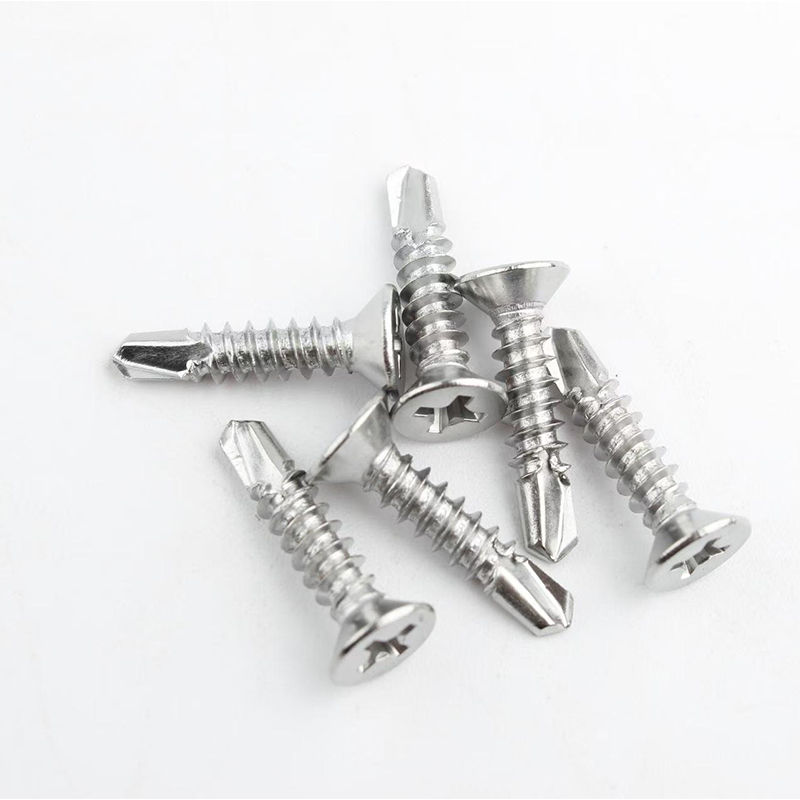
Self-Cutting Screws: OEM Manufacturer & Wholesale Price
2026-10-13
- What Is a Self-Cutting Screw? Definition and Core Mechanics
- How Self-Cutting Screws Work: The Installation Process
- Self-Cutting Screws vs. Self-Tapping Screws: Key Differences
- Material Composition and Coatings for Durability
- Industrial Applications of Self-Cutting Screws
- Selection Guide: Choosing the Right Self-Cutting Screw
- Common Installation Errors and How to Avoid Them
- Why Choose Handan Shengtong Fastener Manufacturing Co., Ltd.?
- Frequently Asked Questions (FAQ)
- Conclusion and Procurement Advice
Self-cutting screws are specialized fasteners designed to form their own internal threads directly into pre-drilled holes in materials such as metal, plastic, or wood. Unlike standard machine screws that require a pre-tapped nut or hole, self-cutting screws feature a sharp, threaded point and flutes that remove material during installation. This mechanism creates a tight, vibration-resistant joint without the need for separate tapping operations. For B2B buyers, sourcing high-quality self-cutting screws from an experienced OEM manufacturer like Bondan Shengttonng fusi fale gaosi fale gaosi co., ltd. ensures precise thread formation, reduced assembly time, and superior holding power in industrial applications ranging from automotive assembly to heavy machinery construction.
What Is a Self-Cutting Screw? Definition and Core Mechanics
A self-cutting screw, often referred to in engineering contexts as a thread-forming or thread-cutting screw, is a fastener engineered to create its own mating thread as it is driven into a substrate. The defining characteristic of this fastener is its ability to displace or remove material to accommodate the screw’s shank, resulting in a secure mechanical lock.
The core mechanics rely on two primary design features:
- Cutting Point or Flutes: Many self-cutting screws feature a gimlet point or specific flutes near the tip. These act as small cutting tools that shave away material, preventing excessive buildup of stress in brittle materials like cast iron or hard plastics.
- Thread Pitch and Angle: The threads are typically sharper and have a wider pitch compared to standard machine screws. This geometry allows the screw to bite into the material effectively, converting rotational torque into linear clamping force while simultaneously forming the thread path.
In industrial manufacturing, the distinction between “self-tapping” and “self-cutting” is often subtle but critical. While all self-cutting screws are self-tapping, not all self-tapping screws are self-cutting. True self-cutting variants are specifically optimized for harder substrates where material removal is necessary to prevent cracking or stripping.
How Self-Cutting Screws Work: The Installation Process
Understanding the installation physics is crucial for engineers and procurement specialists to ensure optimal performance. The operation of a self-cutting screw involves a three-stage process that transforms a smooth pre-drilled hole into a threaded connection.
Stage 1: Penetration and Alignment
The screw is aligned with a pre-drilled pilot hole. The diameter of this hole is critical; it must be smaller than the major diameter of the screw but large enough to allow the tip to enter without excessive friction. As the driver applies torque, the sharp point penetrates the surface, establishing initial alignment.
Stage 2: Material Displacement and Cutting
As rotation continues, the leading threads engage the material. In self-cutting designs, the flutes or sharp thread edges shear off small chips of material. This action clears the path for the screw shank. This stage generates heat and requires consistent torque. If the material is too hard or the pilot hole too small, the screw may snap; if the hole is too large, the threads will fail to engage, resulting in a loose fit.
Stage 3: Thread Formation and Clamping
Once the screw reaches the desired depth, the formed threads interlock with the substrate. The elasticity of the surrounding material exerts radial pressure against the screw threads, creating significant friction and holding power. This interference fit is what provides resistance against vibration and loosening over time.
Self-Cutting Screws vs. Self-Tapping Screws: Key Differences
A common query in the fastener industry is the difference between self-cutting and general self-tapping screws. While often used interchangeably in casual conversation, technical specifications distinguish them based on their application materials and thread-forming methods.
| Feature | Self-Cutting Screws | Standard Self-Tapping Screws |
|---|---|---|
| Primary Mechanism | Removes material (chips) via flutes or sharp edges. | Displaces material (pushes it aside) via thread pressure. |
| Ideal Substrates | Hard plastics, cast iron, thick metals, brittle materials. | Soft metals (aluminum), wood, thin sheet metal, soft plastics. |
| Pilot Hole Requirement | Precise pilot hole required to guide cutting action. | Often can pierce thin sheet metal without a pilot hole (if pointed). |
| Risk of Material Failure | Low risk of cracking in brittle materials due to material removal. | Higher risk of cracking in brittle materials due to displacement stress. |
| Installation Torque | Generally higher due to cutting resistance. | Lower, as material is merely displaced. |
For manufacturers working with diverse materials, selecting the correct type is essential. Using a displacement-style self-tapper on hard cast iron can lead to immediate screw failure or material fracture. Conversely, using a self-cutting screw on soft aluminum may result in stripped threads because the cutting action removes too much material, leaving insufficient engagement.
Material Composition and Coatings for Durability
The performance of a self-cutting screw is heavily dependent on its material composition and surface treatment. At Bondan Shengttonng fusi fale gaosi fale gaosi co., ltd., the focus on high-strength and high-precision products means utilizing materials that can withstand the high torsional stresses generated during the cutting process.
Common Base Materials
- Carbon Steel: The most common material for general industrial use. It offers a good balance of strength and cost. Grades such as C1018 or C1022 are frequently used for medium-duty applications.
- Stainless Steel: Ideal for corrosive environments. Grades 304 and 316 provide excellent resistance to rust and chemicals, making them suitable for marine, food processing, and outdoor construction applications. However, stainless steel is softer, so the cutting edges must be precisely hardened to maintain effectiveness.
- Alloy Steel: Used for high-strength applications requiring greater tensile strength. These screws are often heat-treated to achieve specific hardness levels, ensuring they can cut into harder substrates without deforming.
Surface Treatments and Coatings
Coatings serve two purposes: corrosion resistance and friction reduction. During the self-cutting process, friction generates significant heat. A proper coating can reduce this friction, allowing for smoother installation and preventing galling.
- Zinc Plating: Provides basic corrosion resistance and a clean aesthetic. Often used in indoor construction and machinery.
- Hot-Dip Galvanizing: Offers superior protection for outdoor structures exposed to harsh weather conditions.
- Dacromet/Geomet: Advanced coatings that provide excellent corrosion resistance and lubricity, reducing the torque required for installation.
- Black Oxide: Primarily used for aesthetic purposes and mild corrosion resistance, often seen in automotive and electronic assemblies.
Industrial Applications of Self-Cutting Screws
Self-cutting screws are versatile components found across multiple sectors. Their ability to create strong joints without secondary tapping operations makes them invaluable for high-volume assembly lines and field installations.
Automotive Industry
In vehicle manufacturing, speed and reliability are paramount. Self-cutting screws are used to attach interior panels, secure wiring harnesses, and assemble engine components. The vibration resistance provided by the formed threads is critical in maintaining structural integrity under constant movement and engine vibration.
Construction and Infrastructure
From steel framing to HVAC ductwork, self-cutting screws streamline construction processes. They allow workers to join metal studs and tracks quickly without the need for pre-tapping each hole. In concrete applications, specialized self-cutting anchors are used to secure fixtures directly into masonry, eliminating the need for plastic plugs.
Machinery and Equipment Manufacturing
Heavy machinery often involves assembling large metal casings and internal components. Self-cutting screws provide a robust method for securing these parts, especially when dealing with cast iron housings where traditional tapping might be prone to error or misalignment.
Electronics and Appliances
In the assembly of white goods and consumer electronics, self-cutting screws are used to join plastic housings. The controlled cutting action prevents the plastic from cracking, a common issue with standard screws in brittle polymers. This ensures a clean, durable finish for consumer-facing products.
Selection Guide: Choosing the Right Self-Cutting Screw
Selecting the appropriate self-cutting screw requires a detailed analysis of the application environment. Engineers and procurement managers should consider the following factors to ensure optimal performance and cost-efficiency.
1. Substrate Material Hardness
The hardness of the material being fastened dictates the type of screw needed. For soft materials like aluminum or soft plastics, a thread-forming screw with a wider pitch may suffice. For harder materials like steel or hard PVC, a true self-cutting screw with flutes or a sharper thread angle is necessary to remove material effectively.
2. Pilot Hole Diameter
The pilot hole size is the most critical variable in self-cutting screw applications. A hole that is too small will cause high installation torque, leading to screw breakage or driver wear. A hole that is too large will result in poor thread engagement and low pull-out strength. Manufacturers typically provide charts specifying the recommended pilot hole diameter for each screw size and material combination.
3. Load Requirements
Consider the shear and tensile loads the joint will endure. High-load applications may require larger diameter screws or those made from higher-grade alloy steels. For dynamic loads involving vibration, the inherent locking capability of the formed thread is beneficial, but additional locking adhesives may be considered for critical safety components.
4. Environmental Conditions
Exposure to moisture, chemicals, or extreme temperatures influences material and coating selection. Outdoor applications demand stainless steel or heavily galvanized options to prevent rust, which can weaken the screw and stain the surrounding material.
Common Installation Errors and How to Avoid Them
Even the highest quality self-cutting screws can fail if installed incorrectly. Understanding common pitfalls helps in training assembly teams and optimizing production lines.
- Over-Tightening: Applying excessive torque can strip the newly formed threads, especially in soft materials like plastic or aluminum. Using torque-controlled drivers is essential to prevent this.
- Incorrect Pilot Hole Size: As mentioned, deviation from recommended pilot hole sizes is a leading cause of failure. Regular calibration of drilling equipment is necessary to maintain consistency.
- Using Worn Drivers: Self-cutting screws require significant torque. Worn driver bits can slip, damaging the screw head and failing to drive the screw to the correct depth. Regular bit replacement schedules should be implemented.
- Misalignment: Driving the screw at an angle can cause the threads to cut unevenly, resulting in a weak joint. Fixtures and jigs should be used to ensure perpendicular insertion.
Why Choose Handan Shengtong Fastener Manufacturing Co., Ltd.?
Established in 2018, Bondan Shengttonng fusi fale gaosi fale gaosi co., ltd. has rapidly grown into a key player in China’s fastener industry, leveraging its strategic location in Handan City, Hebei Province. This region is renowned as a central hub for fastener production, providing access to raw materials and skilled labor.
As a modern manufacturing enterprise, Handan Shengtong specializes in the research, development, production, and sales of high-quality fasteners. The company’s business philosophy of “Quality first, customer supreme” is not just a slogan but a operational standard. Every self-cutting screw produced undergoes rigorous quality control to ensure dimensional accuracy, material integrity, and performance reliability.
Handan Shengtong serves a diverse range of industries, including construction, machinery, automotive, and power. By investing in advanced R&D, the company provides diversified solutions tailored to specific client needs. Whether you require standard carbon steel screws for general assembly or customized stainless steel variants for corrosive environments, Handan Shengtong offers the precision and consistency required for modern industrial applications.
The company’s commitment to high-strength and high-precision products means that clients receive fasteners that perform reliably under stress, reducing downtime and maintenance costs. For wholesalers and OEM partners, Handan Shengtong provides competitive pricing without compromising on quality, supported by a robust supply chain capable of meeting large-volume demands.
Frequently Asked Questions (FAQ)
Can self-cutting screws be removed and reused?
Generally, self-cutting screws are not designed for repeated removal and reuse. The process of removing the screw can damage the formed threads in the substrate, especially in softer materials like plastic or aluminum. If reassembly is required, it is often recommended to use a slightly larger diameter screw or a thread-insert to restore holding power.
Do I need a pilot hole for self-cutting screws?
Yes, in most cases, a pilot hole is required. The diameter of the pilot hole is critical for the screw to cut threads correctly without causing excessive stress or material failure. The only exception is certain self-drilling screws (Tek screws) designed for thin sheet metal, which can drill their own hole. However, true self-cutting screws for harder materials always require a pre-drilled pilot hole.
What is the difference between self-cutting and self-drilling screws?
Self-drilling screws have a drill-bit-like tip that can penetrate metal without a pilot hole. Self-cutting screws typically have a pointed or blunt tip with cutting flutes or threads and require a pre-drilled pilot hole. Self-cutting screws are better suited for thicker or harder materials where a drill-point might wander or break.
How do I determine the correct length for a self-cutting screw?
The screw should be long enough to engage sufficient threads in the substrate to handle the load, but not so long that it bottoms out or protrudes through the other side. A general rule of thumb is that the thread engagement depth should be at least 1.5 times the screw diameter for optimal holding power.
Are self-cutting screws suitable for outdoor use?
Yes, provided they are made from appropriate materials and coatings. Stainless steel (304 or 316) or hot-dip galvanized self-cutting screws are ideal for outdoor applications. Standard zinc-plated carbon steel screws may corrode quickly if exposed to rain and humidity unless additional protective measures are taken.
Conclusion and Procurement Advice
Self-cutting screws are an essential component in modern manufacturing and construction, offering efficiency, strength, and reliability. By eliminating the need for separate tapping operations, they reduce assembly time and labor costs while providing robust, vibration-resistant joints. However, their performance is highly dependent on correct selection, precise pilot hole preparation, and proper installation techniques.
For businesses seeking a reliable supply of high-quality self-cutting screws, partnering with an experienced manufacturer is crucial. Bondan Shengttonng fusi fale gaosi fale gaosi co., ltd. stands out as a trusted OEM partner, delivering high-precision fasteners tailored to the demanding needs of the automotive, construction, and machinery sectors. With a focus on quality control and customer satisfaction, Handan Shengtong ensures that every screw meets international standards for strength and durability.
Whether you are looking for wholesale pricing for large-scale projects or customized solutions for specialized applications, choosing the right supplier can significantly impact your product’s quality and bottom line. Evaluate your material requirements, load conditions, and environmental factors carefully, and consult with technical experts to select the optimal fastener solution.
For detailed specifications, custom OEM inquiries, or wholesale pricing information, explore our comprehensive range of fastener solutions. Ensure your assemblies are built to last with precision-engineered self-cutting screws from a manufacturer that prioritizes quality and performance.