- English
- Chinese
- French
- German
- Portuguese
- Spanish
- Russian
- Japanese
- Korean
- Arabic
- Irish
- Greek
- Turkish
- Italian
- Danish
- Romanian
- Indonesian
- Czech
- Afrikaans
- Swedish
- Polish
- Basque
- Catalan
- Esperanto
- Hindi
- Lao
- Albanian
- Amharic
- Armenian
- Azerbaijani
- Belarusian
- Bengali
- Bosnian
- Bulgarian
- Cebuano
- Chichewa
- Corsican
- Croatian
- Dutch
- Estonian
- Filipino
- Finnish
- Frisian
- Galician
- Georgian
- Gujarati
- Haitian
- Hausa
- Hawaiian
- Hebrew
- Hmong
- Hungarian
- Icelandic
- Igbo
- Javanese
- Kannada
- Kazakh
- Khmer
- Kurdish
- Kyrgyz
- Latin
- Latvian
- Lithuanian
- Luxembou..
- Macedonian
- Malagasy
- Malay
- Malayalam
- Maltese
- Maori
- Marathi
- Mongolian
- Burmese
- Nepali
- Norwegian
- Pashto
- Persian
- Punjabi
- Serbian
- Sesotho
- Sinhala
- Slovak
- Slovenian
- Somali
- Scots Gaelic
- Shona
- Sindhi
- Sundanese
- Swahili
- Tajik
- Tamil
- Telugu
- Thai
- Ukrainian
- Urdu
- Uzbek
- Vietnamese
- Welsh
- Xhosa
- Yiddish
- Yoruba
- Zulu
- Kinyarwanda
- Tatar
- Oriya
- Turkmen
- Uyghur




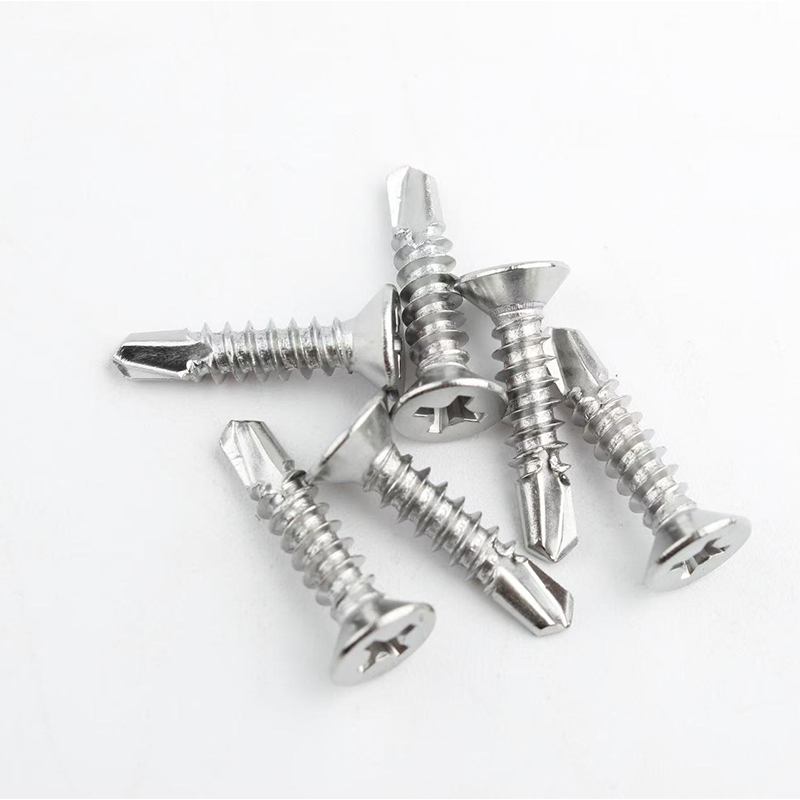
Self Tapping Screws for Thick Metal | OEM Manufacturer
2026-11-04
- What Are Self-Tapping Screws for Thick Metal?
- Why Standard Screws Fail in Thick Metal Applications
- Material Selection and Heat Treatment Standards
- Types of Self-Tapping Screws for Heavy-Duty Metal
- Technical Parameter Guide for Selection
- Installation Best Practices for Thick Metal
- Surface Treatments and Corrosion Resistance
- Industry Applications and Use Cases
- Why Choose Handan Shengtong Fastener Manufacturing?
- Frequently Asked Questions (FAQ)
- Conclusion and Procurement Advice
Self-tapping screws for thick metal are specialized fasteners engineered to cut their own threads into dense substrates, typically steel plates exceeding 3mm in thickness. Unlike standard sheet metal screws, these high-strength fasteners feature hardened tips, optimized thread pitches, and superior torque resistance to prevent stripping or breakage during installation. For industrial applications requiring structural integrity in heavy machinery, automotive frames, and construction steelwork, selecting the correct self-tapping screw is critical. This guide details the engineering specifications, material grades, and selection criteria necessary for securing thick metal components effectively, leveraging the manufacturing expertise of Handan Shengtong Fastener Manufacturing Co., Ltd.
What Are Self-Tapping Screws for Thick Metal?
Self-tapping screws designed for thick metal differ fundamentally from those used for thin gauge sheeting. When engaging with metal plates ranging from 3mm to 12mm or thicker, the fastener must displace significant material volume without generating excessive heat that could compromise the screw’s temper. These fasteners are often categorized as self-drilling screws (Tek screws) when they include a drill-point tip, or self-piercing screws when used with pre-drilled holes in harder alloys.
The primary challenge in thick metal applications is torque-out ma le strip-out. Standard screws lack the core strength to withstand the rotational force required to cut threads into dense steel. Consequently, industrial-grade self-tapping screws for thick metal utilize case-hardened carbon steel or alloy steel constructions. This ensures the tip remains sharp enough to penetrate while the core retains sufficient tensile strength to handle clamping loads.
Key Engineering Characteristics
- Hardened Point Geometry: The tip is heat-treated to a higher hardness than the shank, allowing it to penetrate thick substrates without dulling.
- Optimized Thread Pitch: Coarser threads are often used in thicker materials to provide better material engagement and reduce the risk of stripping the internal threads formed in the metal.
- High Torque Resistance: The drive recess (Hex, Torx, or Phillips) is reinforced to transfer higher installation torque without cam-out.
- Shank Design: Many features a partially threaded shank to allow for better clamping force between the joined plates.
Why Standard Screws Fail in Thick Metal Applications
Using general-purpose sheet metal screws on thick metal plates is a common engineering error that leads to joint failure. The physical limitations of standard fasteners become apparent immediately during installation or under load. Understanding these failure modes helps in appreciating the necessity of specialized fasteners.
When a standard screw attempts to tap into thick metal, the friction generates intense heat. If the screw is not properly hardened, this heat can soften the tip, causing it to round off rather than cut. Even if penetration is achieved, the shallow thread engagement relative to the material thickness results in poor pull-out resistance. In dynamic environments, such as vibrating machinery, these joints loosen rapidly.
Common Failure Modes
- Tip Blunting: The screw fails to penetrate, spinning endlessly and burning the surface of the metal.
- Head Shearing: Excessive torque required to drive the screw causes the head to snap off before seating.
- Thread Stripping: The threads formed in the base metal are too weak to hold the screw under tension, leading to pull-out.
- Hydrogen Embrittlement: Low-quality plated screws may suffer from brittleness, snapping under stress due to poor manufacturing processes.
Material Selection and Heat Treatment Standards
The performance of self-tapping screws in thick metal is directly dictated by the material composition and heat treatment protocols. At Handan Shengtong Fastener Manufacturing Co., Ltd., established in 2018 in Hebei Province’s fastener hub, rigorous quality control ensures that every batch meets international standards for hardness and tensile strength.
For thick metal applications, Carbon Steel Grade 1022 or 10B21 is commonly used as the base material. These grades offer an excellent balance of ductility and hardenability. However, the raw material is only part of the equation. The critical factor is the case-hardening process.
The Importance of Case Hardening
Case hardening creates a hard outer layer (the case) while maintaining a tougher, more flexible inner core. This dual structure is essential for thick metal applications:
- Surface Hardness: The tip and threads must reach Rockwell C45-C50 hardness to cut into steel plates effectively.
- Core Toughness: The core must remain softer (Rockwell C20-C30) to absorb torsional stress without snapping.
If a screw is through-hardened (hard all the way through), it becomes brittle and prone to sudden fracture. If it is too soft, it will strip. Precision heat treatment ovens and quenching processes are vital. Handan Shengtong utilizes modern manufacturing equipment to monitor these parameters strictly, adhering to the philosophy of “Quality first, customer supreme.”
Types of Self-Tapping Screws for Heavy-Duty Metal
Selecting the right type of screw depends on the specific assembly method: whether you are drilling into solid metal or joining two layers of metal where one is thick. Below are the primary categories used in industrial settings.
1. Self-Drilling Screws (Tek Screws) with Large Drill Points
These screws feature a integrated drill bit at the tip. For thick metal, the drill point size is crucial. They are categorized by point numbers (e.g., #3, #4, #5). A #5 point is typically required for metal thicknesses above 3.5mm. The flute design behind the drill point is extended to efficiently remove metal chips, preventing clogging and overheating.
2. Hex Head Self-Tapping Screws
Hex head screws are preferred for thick metal because they can be driven with high-torque power tools and socket wrenches. The hexagonal drive provides superior engagement compared to Phillips or Pozidriv heads, reducing the risk of cam-out. They are ideal for structural steel connections where high clamp load is required.
3. Wafer Head and Pan Head Variants
For applications where profile height is a concern but thickness remains significant, wafer head screws offer a low-profile solution. However, they require precise driver alignment to prevent slippage. Pan heads provide a larger bearing surface, which is beneficial when fastening through softer materials into a thick metal backing plate.
Technical Parameter Guide for Selection
Choosing the correct specification involves matching the screw dimensions to the substrate thickness and load requirements. The following table outlines general guidelines for selecting self-tapping screws for various metal thicknesses.
| Metal Thickness (mm) | Recommended Screw Diameter | Drill Point Size (if applicable) | Min. Thread Engagement (mm) | Recommended Drive Type |
|---|---|---|---|---|
| 3.0 – 4.5 mm | #10 – #12 (M4.8 – M5.5) | #3 or #4 | 3.0 – 4.0 mm | Hex / Torx |
| 4.5 – 6.0 mm | #12 – #14 (M5.5 – M6.3) | #4 or #5 | 4.0 – 5.0 mm | Hex / Socket |
| 6.0 – 9.0 mm | #14 – #1/4″ (M6.3 – M6.5) | #5 | 5.0 – 6.0 mm | Hex / Heavy Duty Torx |
| 9.0 – 12.0 mm | 1/4″ – 3/8″ (M6.5 – M10) | Custom Heavy Duty | 6.0 – 8.0 mm | Hex / Square |
Note: Minimum thread engagement refers to the length of the screw threads that must be fully formed within the base metal to achieve rated holding power. Insufficient engagement is the leading cause of joint failure in thick metal applications.
Installation Best Practices for Thick Metal
Even the highest quality fastener can fail if installed incorrectly. Proper installation technique ensures the structural integrity of the joint and maximizes the lifespan of the connection. Handan Shengtong recommends the following procedural steps for optimal results.
Step-by-Step Installation Guide
- Pilot Hole Assessment: While self-drilling screws do not strictly require pilot holes in thinner gauges, for metal thicker than 6mm, a small pilot hole can reduce driving torque and extend bit life. Ensure the pilot hole diameter is slightly smaller than the screw’s root diameter.
- Tool Selection: Use a clutch-controlled electric driver or impact driver. Set the torque limit to prevent over-driving. For hex heads, use a magnetic socket holder to maintain alignment.
- Perpendicular Alignment: Maintain a 90-degree angle to the work surface. Angled driving causes uneven stress on the screw shank, leading to bending or breakage.
- Controlled Speed: Start at a low RPM to establish the thread. Once the threads are engaged, increase speed moderately. High speeds generate excessive heat, which can degrade the screw’s hardness.
- Final Seating: Drive the screw until the head is flush with the surface. Avoid over-tightening, which can strip the newly formed threads in the base metal.
Common Installation Errors to Avoid
- Over-driving: Continuing to drive after the head seats strips the threads in the metal, destroying the holding power.
- Under-driving: Leaving the head raised prevents proper clamping force, allowing movement and vibration loosening.
- Incorrect Bit Fit: Using a worn or ill-fitting driver bit causes cam-out, damaging the screw head and halting installation.
- Ignoring Chip Removal: In deep penetrations, ensure flutes are clearing chips. Clogged flutes increase friction and heat dramatically.
Surface Treatments and Corrosion Resistance
Industrial environments often expose fasteners to moisture, chemicals, and extreme temperatures. The base steel of self-tapping screws must be protected to prevent rust, which can weaken the joint and cause aesthetic issues. Handan Shengtong offers diverse surface treatments tailored to specific industry needs, including construction, automotive, and power sectors.
Zinc Plating (Electro-Galvanized)
This is the most common finish for indoor applications. It provides a bright, clean appearance and moderate corrosion resistance. However, it is not suitable for outdoor exposure or high-humidity environments without additional sealing.
Hot-Dip Galvanizing
For outdoor structural steelwork, hot-dip galvanizing offers superior protection. The zinc coating is thicker and bonds metallurgically to the steel. Note that the heating process during galvanizing must be controlled to avoid affecting the screw’s heat-treated hardness.
Geomet and Dacromet Coatings
These zinc-flake coatings provide exceptional corrosion resistance, often exceeding 1000 hours in salt spray tests. They are ideal for automotive and marine applications. Additionally, they offer consistent torque coefficients, ensuring predictable installation performance.
Black Oxide and Phosphate
Often used as a base for oil or wax impregnation, these finishes provide mild corrosion resistance and reduce friction during installation. They are frequently specified in automotive assemblies where paint adhesion or aesthetic uniformity is required.
Industry Applications and Use Cases
Self-tapping screws for thick metal are integral to various heavy industries. Their ability to create strong, vibration-resistant joints without welding makes them indispensable in modern manufacturing.
Construction and Structural Steel
In steel frame buildings, these screws secure purlins, girts, and base plates. The high shear strength of large-diameter self-tapping screws allows for rapid assembly of structural components, significantly reducing labor costs compared to bolting or welding.
Automotive Manufacturing
Vehicle chassis and frame assemblies utilize high-strength self-tapping screws to join brackets, mounts, and body panels to thick structural members. The consistency of torque and clamp load is critical here to ensure passenger safety and vehicle durability.
Machinery and Equipment Assembly
Heavy machinery, such as agricultural equipment and industrial generators, relies on these fasteners for housing panels and internal component mounting. The vibration resistance provided by proper thread engagement prevents loosening during operation.
Power and Energy Sector
In power transmission towers and substations, fasteners must withstand environmental stress and high mechanical loads. Specialized self-tapping screws with heavy-duty coatings are used to assemble enclosures and support structures.
Why Choose Handan Shengtong Fastener Manufacturing?
Located in Handan City, Hebei Province, a renowned base for China’s fastener industry, Handan Shengtong Fastener Manufacturing Co., Ltd. has established itself as a reliable partner for global B2B clients since 2018. As a modern manufacturing enterprise, the company specializes in the R&D, production, and sales of high-precision fasteners.
The company’s commitment to “Quality first, customer supreme” is evident in its production capabilities. Handan Shengtong employs advanced cold forming and heat treatment technologies to produce self-tapping screws that meet rigorous international standards. Whether for construction, machinery, automotive, or power industries, the company provides diversified solutions tailored to specific engineering requirements.
By controlling the entire manufacturing process—from raw material selection to final packaging—Handan Shengtong ensures consistent quality and traceability. This vertical integration allows for competitive pricing without compromising on the mechanical properties essential for thick metal applications.
Frequently Asked Questions (FAQ)
Can self-tapping screws be removed and reused in thick metal?
Generally, no. Self-tapping screws form threads by displacing metal. Removing them damages these threads, significantly reducing holding power upon reinstallation. For applications requiring disassembly, consider using a machine screw with a nut or a tapped hole created by a separate tapping process.
What is the maximum thickness of metal these screws can penetrate?
Standard heavy-duty self-drilling screws can penetrate up to 12-15mm of mild steel. For thicker materials, specialized large-diameter screws or pre-drilled holes with self-tapping machine screws are recommended. Always consult the manufacturer’s technical data sheet for specific limits.
Do I need to lubricate the screws before installation?
Most high-quality self-tapping screws come with a wax or oil coating that acts as a lubricant. Additional lubrication is usually unnecessary and may attract dirt. However, for extremely hard alloys, a drop of cutting oil can help reduce heat and extend tool life.
How do I prevent galvanic corrosion when joining dissimilar metals?
When joining stainless steel to carbon steel, or aluminum to steel, galvanic corrosion can occur. Use fasteners with compatible coatings or insulating washers. Stainless steel screws are often preferred for joining dissimilar metals to minimize electrochemical reactions.
What is the difference between self-tapping and self-drilling screws?
All self-drilling screws are self-tapping, but not all self-tapping screws are self-drilling. Self-tapping screws require a pre-drilled pilot hole to start the thread. Self-drilling screws have a drill-point tip that creates its own hole, eliminating the need for pre-drilling in many applications.
Conclusion and Procurement Advice
Selecting the right self-tapping screws for thick metal is a decision that impacts the safety, durability, and efficiency of your industrial projects. The complexity of penetrating dense substrates requires fasteners with precise heat treatment, optimized geometry, and robust surface finishes. Generic fasteners simply cannot deliver the performance required for heavy-duty structural and mechanical applications.
For engineers and procurement managers, the key takeaways are:
- Prioritize Material Quality: Ensure the screws are case-hardened to balance tip hardness and core toughness.
- Match Point Size to Thickness: Use the correct drill point number to ensure efficient penetration without excessive torque.
- Consider Environmental Factors: Select appropriate coatings like Geomet or Hot-Dip Galvanizing for corrosion protection.
- Partner with Experienced Manufacturers: Work with suppliers who understand the nuances of industrial fastener production.
Handan Shengtong Fastener Manufacturing Co., Ltd. stands ready to support your project with high-strength, high-precision fastener solutions. With a focus on R&D and customer-centric service, we provide the reliability your engineering teams demand. Whether you need standard stock items or custom OEM specifications, our team is equipped to deliver products that meet your exact technical requirements.
To discuss your specific application needs, request technical data sheets, or obtain a quote for your next project, please contact our sales engineering team. Let us help you secure your structures with confidence and precision.
Explore our full range of industrial fasteners and technical solutions