- English
- Chinese
- French
- German
- Portuguese
- Spanish
- Russian
- Japanese
- Korean
- Arabic
- Irish
- Greek
- Turkish
- Italian
- Danish
- Romanian
- Indonesian
- Czech
- Afrikaans
- Swedish
- Polish
- Basque
- Catalan
- Esperanto
- Hindi
- Lao
- Albanian
- Amharic
- Armenian
- Azerbaijani
- Belarusian
- Bengali
- Bosnian
- Bulgarian
- Cebuano
- Chichewa
- Corsican
- Croatian
- Dutch
- Estonian
- Filipino
- Finnish
- Frisian
- Galician
- Georgian
- Gujarati
- Haitian
- Hausa
- Hawaiian
- Hebrew
- Hmong
- Hungarian
- Icelandic
- Igbo
- Javanese
- Kannada
- Kazakh
- Khmer
- Kurdish
- Kyrgyz
- Latin
- Latvian
- Lithuanian
- Luxembou..
- Macedonian
- Malagasy
- Malay
- Malayalam
- Maltese
- Maori
- Marathi
- Mongolian
- Burmese
- Nepali
- Norwegian
- Pashto
- Persian
- Punjabi
- Serbian
- Sesotho
- Sinhala
- Slovak
- Slovenian
- Somali
- Scots Gaelic
- Shona
- Sindhi
- Sundanese
- Swahili
- Tajik
- Tamil
- Telugu
- Thai
- Ukrainian
- Urdu
- Uzbek
- Vietnamese
- Welsh
- Xhosa
- Yiddish
- Yoruba
- Zulu
- Kinyarwanda
- Tatar
- Oriya
- Turkmen
- Uyghur




Self Tapping Screws Wholesale | Direct Factory Price & OEM
2026-11-04
- What Are Self Tapping Screws and How Do They Work?
- Why Choose Handan Shengtong for Self Tapping Screws Wholesale?
- Types of Self Tapping Screws for Industrial Applications
- Material Selection and Corrosion Resistance
- Technical Specifications and Standards Compliance
- How to Choose the Right Self Tapping Screw for Your Project
- Common Mistakes in Self Tapping Screw Application
- FAQ: Frequently Asked Questions About Self Tapping Screws Wholesale
- Conclusion: Securing Reliable Supply for Your Business
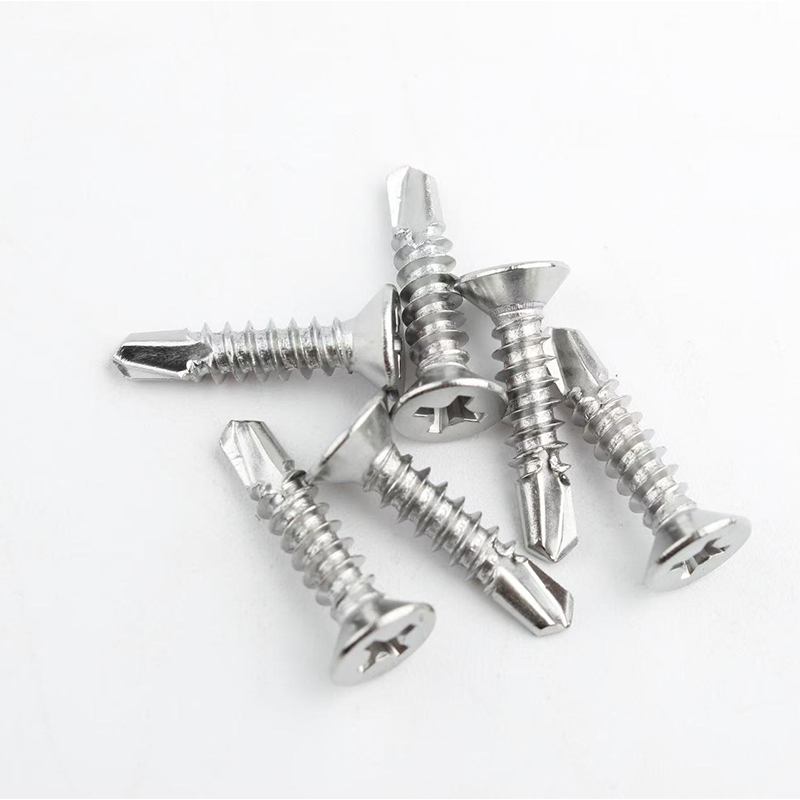
Self tapping screws wholesale offers a cost-effective solution for businesses requiring high-volume, precision fasteners for construction, automotive, and machinery applications. Sourcing directly from specialized manufacturers like Handan Shengtong Fastener Manufacturing Co., Ltd. ensures direct factory pricing, strict quality control, and customizable OEM services. These screws are designed to create their own threads in materials such as metal, plastic, and wood, eliminating the need for pre-tapped holes and significantly reducing assembly time. For procurement managers and engineers, understanding material grades, coating options, and head types is critical to selecting the right fastener for specific load-bearing and environmental conditions.
What Are Self Tapping Screws and How Do They Work?
Self tapping screws, often referred to as self-drilling or self-threading screws, are specialized fasteners capable of drilling, tapping, and securing materials in a single operation. Unlike standard machine screws that require a pre-formed nut or a tapped hole, self tapping screws feature a sharp, pointed tip and aggressive thread geometry. This design allows them to cut into the substrate, displacing material to form a mating thread as they are driven in.
The mechanical advantage lies in the screw’s ability to generate high clamping force without the need for separate nuts. This makes them ideal for sheet metal assemblies, HVAC systems, and structural steel connections. The process reduces labor costs and minimizes the risk of misalignment during assembly. In industrial manufacturing, the consistency of the thread formation is vital for maintaining joint integrity under vibration and thermal cycling.
The Mechanics of Thread Formation
When a self tapping screw is driven into a material, the tip acts as a drill bit. As rotation continues, the threads engage the material. The pitch and depth of the threads are engineered to match the tensile strength of the target material. For softer materials like aluminum or plastic, wider threads provide better grip. For harder materials like stainless steel or hardened carbon steel, finer threads and higher torque resistance are required to prevent stripping.
- Drilling Phase: The pointed tip penetrates the surface, removing or displacing material.
- Tapping Phase: The leading threads cut into the newly formed hole, creating a precise internal thread.
- Clamping Phase: The remaining shank pulls the components together, generating friction and holding power.
Why Choose Handan Shengtong for Self Tapping Screws Wholesale?
In the competitive landscape of global fastener supply, selecting the right manufacturing partner is as crucial as the product specification itself. Handan Shengtong Fastener Manufacturing Co., Ltd., established in 2018, has rapidly emerged as a reliable source for high-quality fasteners. Located in Handan City, Hebei Province, the company operates within one of China’s most significant fastener industrial bases. This geographic advantage provides access to raw materials, skilled labor, and an established logistics network, enabling competitive pricing without compromising on quality.
Handan Shengtong adheres to a business philosophy of “Quality first, customer supreme.” This is not merely a slogan but a operational framework that governs their R&D, production, and sales processes. The company specializes in producing high-strength, high-precision, and diversified fastener products tailored for demanding sectors such as construction, machinery, automotive, and power generation. By integrating modern manufacturing technologies with rigorous quality assurance protocols, Handan Shengtong ensures that every batch of self tapping screws meets international standards for dimensional accuracy and mechanical performance.
Direct Factory Price and OEM Capabilities
One of the primary benefits of engaging in o oe lava le tagofia o le fao with Handan Shengtong is the elimination of intermediary markups. As a direct manufacturer, the company offers factory-direct pricing, which is essential for businesses looking to optimize their bill of materials (BOM) costs. Furthermore, their OEM (Original Equipment Manufacturer) capabilities allow clients to customize specifications including head styles, drive types, thread pitches, and surface coatings. This flexibility is particularly valuable for companies developing proprietary machinery or specialized construction modules where standard off-the-shelf fasteners may not suffice.
Types of Self Tapping Screws for Industrial Applications
Not all self tapping screws are created equal. The choice of screw type depends heavily on the base material, the required load capacity, and the environmental conditions. Understanding the distinctions between these types is essential for effective procurement and engineering design.
Sheet Metal Screws
Sheet metal screws are designed for joining thin gauge metal sheets. They typically feature a sharp point and fine threads. These are commonly used in HVAC ductwork, automotive body panels, and electronic enclosures. The key characteristic is their ability to hold tightly in thin materials without causing excessive deformation or bulging on the opposite side.
Self-Drilling Screws (Tek Screws)
Often confused with standard self tapping screws, self-drilling screws have a distinct drill-like point. This feature allows them to penetrate thicker materials, such as structural steel or heavy-gauge aluminum, without the need for a pilot hole. They are categorized by point sizes (e.g., #1, #2, #3, #4, #5), with larger numbers indicating the ability to drill through thicker materials. For heavy industrial applications, #4 and #5 points are standard.
Concrete and Masonry Screws
While traditional masonry work uses anchors, modern self tapping concrete screws offer a faster alternative. These screws are hardened to penetrate brick, block, and cured concrete. They eliminate the need for plastic plugs or epoxy, providing a direct mechanical lock. This is increasingly popular in rapid construction projects and seismic retrofitting where speed and reliability are paramount.
Material Selection and Corrosion Resistance
The longevity of a fastened joint is largely determined by the material composition and surface treatment of the screw. In wholesale procurement, specifying the correct material grade is critical to preventing premature failure due to corrosion or fatigue.
| Material Type | Key Characteristics | Typical Applications |
|---|---|---|
| Carbon Steel (Grade 1022/1035) | High strength, cost-effective, requires coating for corrosion resistance. | Indoor machinery, drywall framing, general assembly. |
| Stainless Steel (304/316) | Excellent corrosion resistance, moderate strength, non-magnetic (304). | Marine environments, food processing, outdoor structures, chemical plants. |
| Aluminum | Lightweight, good corrosion resistance, lower strength than steel. | Aerospace, lightweight automotive parts, non-ferrous assemblies. |
| Brass | Aesthetic appeal, good corrosion resistance, low magnetic permeability. | Electrical components, decorative hardware, marine fixtures. |
Surface Coatings and Treatments
For carbon steel screws, surface treatment is mandatory to prevent rust. Common coatings include zinc plating (electro or mechanical), black oxide, and phosphate. For harsher environments, geometric coatings such as zinc-nickel or zinc-aluminum flakes provide superior protection. Handan Shengtong offers various coating options to meet specific salt spray test requirements, ensuring that the fasteners withstand the intended service life.
- Zinc Plating: Standard protection for indoor use. Available in clear, blue, or yellow passivation.
- Black Oxide: Provides mild corrosion resistance and reduces glare. Often used in automotive and military applications.
- Dacromet/Geomet: High-performance coatings offering exceptional corrosion resistance and torque-tension consistency.
Technical Specifications and Standards Compliance
When sourcing self tapping screws wholesale, adherence to international standards is non-negotiable. These standards define the dimensions, mechanical properties, and testing methods for fasteners. Handan Shengtong ensures its products comply with major global standards, facilitating seamless integration into international supply chains.
Key International Standards
Different regions and industries rely on specific standardization bodies. Understanding these helps in specifying the right product for your market.
- ISO (International Organization for Standardization): ISO 7049 covers cross-recessed pan head self-tapping screws. ISO standards are widely accepted in Europe and Asia.
- ANSI/ASME (American National Standards Institute): ANSI B18.6.3 defines specifications for slotted and cross-recessed self-tapping screws. Essential for the North American market.
- DIN (Deutsches Institut für Normung): DIN 7500 and DIN 7982 are common German standards often referenced in high-precision engineering contexts.
- JIS (Japanese Industrial Standards): JIS B 1111 is relevant for projects involving Japanese machinery or construction methods.
Thread Types: A vs. AB vs. B
The thread designation indicates the pitch and suitability for different material thicknesses.
- Type A: Coarse thread with a gimlet point. Suitable for thin sheet metal and soft plastics.
- Type AB: A hybrid thread with a sharper point than Type B but finer than Type A. Versatile for a range of sheet metal gauges.
- Type B: Fine thread with a blunt point. Requires a pilot hole in harder materials but offers higher pull-out strength in thick sheets.
How to Choose the Right Self Tapping Screw for Your Project
Selecting the appropriate self tapping screw involves a systematic evaluation of the application requirements. Engineers and procurement specialists should consider the following factors to ensure optimal performance and cost-efficiency.
1. Base Material Analysis
Identify the material being fastened. Is it soft aluminum, hard stainless steel, or brittle plastic? Soft materials require coarse threads to maximize grip, while hard materials need fine threads to prevent stripping. For dissimilar metals, consider galvanic corrosion and use insulated or coated screws.
2. Load Requirements
Determine the shear and tensile loads the joint will endure. High-vibration environments, such as automotive engines or heavy machinery, require screws with higher clamp load retention. In such cases, using a locking patch or a serrated flange head can prevent loosening over time.
3. Environmental Conditions
Will the assembly be exposed to moisture, chemicals, or extreme temperatures? Outdoor applications demand stainless steel or heavily coated carbon steel. Chemical plants may require specialized alloys like Hastelloy or titanium, though these are niche applications.
4. Drive Type and Tooling
The drive type affects installation speed and torque transmission. Phillips (cross) drives are common but can cam out under high torque. Pozidriv offers better engagement. For automated assembly lines, hex washer heads or Torx drives are preferred for their ability to handle higher torque without slipping, ensuring consistent installation quality.
Common Mistakes in Self Tapping Screw Application
Even with high-quality products from manufacturers like Handan Shengtong, improper application can lead to joint failure. Avoiding these common pitfalls is essential for maintaining structural integrity.
- Over-torquing: Driving the screw too hard can strip the threads in the base material, significantly reducing holding power. Use torque-controlled drivers.
- Under-torquing: Insufficient torque fails to generate the necessary clamp load, leading to loose joints and potential vibration-induced failure.
- Incorrect Pilot Hole Size: For self-drilling screws, no pilot hole is needed. However, for certain self-tapping types in hard materials, an incorrectly sized pilot hole can cause breakage or poor thread formation.
- Mixing Materials: Using carbon steel screws in aluminum without proper coating can lead to rapid galvanic corrosion, weakening the joint and staining the surrounding material.
FAQ: Frequently Asked Questions About Self Tapping Screws Wholesale
What is the minimum order quantity (MOQ) for wholesale orders?
MOQs vary depending on the specification and customization level. Standard items often have lower MOQs, while custom OEM productions may require higher volumes to optimize production runs. Handan Shengtong works with clients to find flexible solutions that balance inventory costs with production efficiency.
Can I get samples before placing a bulk order?
Yes, reputable manufacturers typically provide samples for quality verification. This allows engineers to test the screws in their specific applications, checking for fit, torque requirements, and material compatibility before committing to large-scale procurement.
How long does production take for custom OEM orders?
Lead times depend on the complexity of the customization, such as special coatings or unique head designs. Generally, standard production runs are faster, while custom tooling and finishing processes add time. Clear communication with the manufacturer during the quoting phase helps establish realistic timelines.
What certifications should I look for in a fastener supplier?
Look for ISO 9001 certification, which indicates a robust quality management system. For specific industries, additional certifications like IATF 16949 for automotive or PED for pressure equipment may be required. Handan Shengtong maintains strict quality controls aligned with international best practices.
How do self tapping screws differ from self drilling screws?
While often used interchangeably, self drilling screws have a built-in drill point that eliminates the need for a pilot hole in thicker materials. Self tapping screws generally refer to those that cut threads but may require a pre-drilled hole, especially in harder substrates. The distinction is crucial for selecting the right tool and process for your assembly line.
Conclusion: Securing Reliable Supply for Your Business
Sourcing self tapping screws wholesale is a strategic decision that impacts both the quality of your final product and your operational efficiency. By partnering with a dedicated manufacturer like Handan Shengtong Fastener Manufacturing Co., Ltd., businesses gain access to high-precision, durable fasteners at competitive direct factory prices. The company’s commitment to quality, combined with its location in Handan’s industrial hub, ensures a reliable supply chain capable of meeting diverse industry needs from construction to automotive manufacturing.
Whether you require standard sheet metal screws or customized OEM solutions, understanding the technical nuances of material selection, thread types, and coating options empowers you to make informed purchasing decisions. Avoid the risks of inconsistent quality and supply chain disruptions by choosing a partner that prioritizes engineering excellence and customer satisfaction.
Ready to optimize your fastener procurement? Contact Handan Shengtong today to discuss your specific requirements, request samples, or obtain a detailed quote for your next project. Ensure your assemblies are built on a foundation of strength and reliability.
Explore our full range of fastener products and technical solutions