- English
- Chinese
- French
- German
- Portuguese
- Spanish
- Russian
- Japanese
- Korean
- Arabic
- Irish
- Greek
- Turkish
- Italian
- Danish
- Romanian
- Indonesian
- Czech
- Afrikaans
- Swedish
- Polish
- Basque
- Catalan
- Esperanto
- Hindi
- Lao
- Albanian
- Amharic
- Armenian
- Azerbaijani
- Belarusian
- Bengali
- Bosnian
- Bulgarian
- Cebuano
- Chichewa
- Corsican
- Croatian
- Dutch
- Estonian
- Filipino
- Finnish
- Frisian
- Galician
- Georgian
- Gujarati
- Haitian
- Hausa
- Hawaiian
- Hebrew
- Hmong
- Hungarian
- Icelandic
- Igbo
- Javanese
- Kannada
- Kazakh
- Khmer
- Kurdish
- Kyrgyz
- Latin
- Latvian
- Lithuanian
- Luxembou..
- Macedonian
- Malagasy
- Malay
- Malayalam
- Maltese
- Maori
- Marathi
- Mongolian
- Burmese
- Nepali
- Norwegian
- Pashto
- Persian
- Punjabi
- Serbian
- Sesotho
- Sinhala
- Slovak
- Slovenian
- Somali
- Scots Gaelic
- Shona
- Sindhi
- Sundanese
- Swahili
- Tajik
- Tamil
- Telugu
- Thai
- Ukrainian
- Urdu
- Uzbek
- Vietnamese
- Welsh
- Xhosa
- Yiddish
- Yoruba
- Zulu
- Kinyarwanda
- Tatar
- Oriya
- Turkmen
- Uyghur




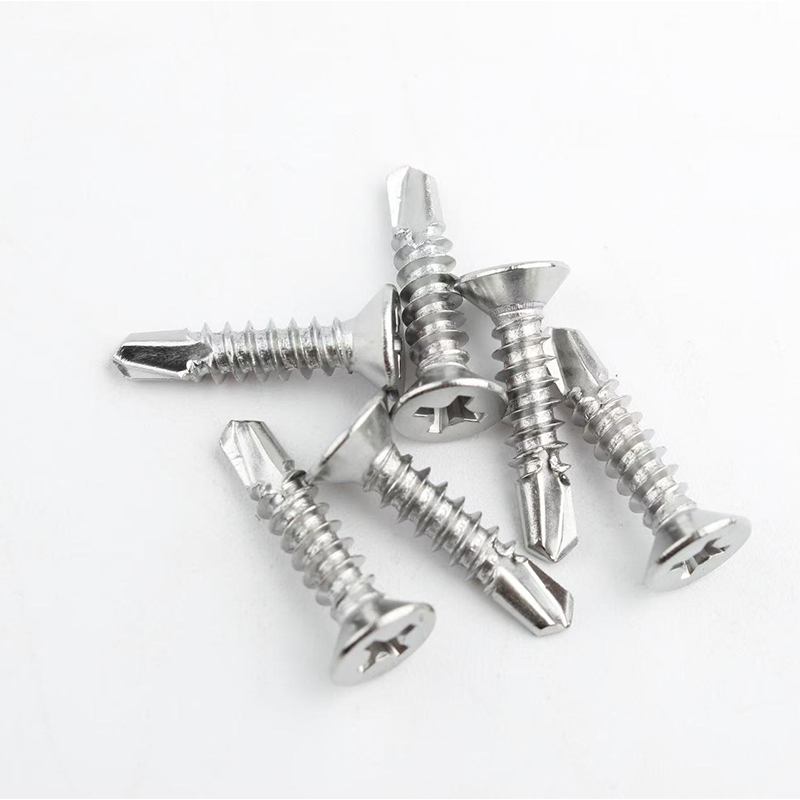
Wholesale Stainless Steel Self Tapping Screws for Plastic | Factory Price
2026-11-04
- What Are Stainless Steel Self-Tapping Screws for Plastic?
- Why Choose Stainless Steel for Plastic Fastening?
- Types of Self-Tapping Screws for Plastic
- Material Selection: SS304 vs. SS316
- Design Guidelines for Plastic Bosses
- Common Mistakes in Plastic Fastening
- Applications of Stainless Steel Self-Tapping Screws in Plastic
- How to Choose the Right Supplier
- FAQ: Frequently Asked Questions
- Conclusion: Securing Your Supply Chain with Quality Fasteners
Stainless steel self-tapping screws for plastic are specialized fasteners engineered to create secure, vibration-resistant joints in thermoplastic and composite materials without causing stress cracks or material failure. Unlike standard metal-cutting screws, these fasteners feature optimized thread geometry, wider pitch, and blunt tips designed to displace rather than cut plastic, ensuring high pull-out strength and long-term reliability. For B2B buyers seeking durable assembly solutions, selecting the correct screw type—such as PT (Plastic Thread), FST (Fastener Standard Thread), or high-low threads—is critical for maintaining structural integrity in automotive, electronics, and appliance manufacturing.
What Are Stainless Steel Self-Tapping Screws for Plastic?
Self-tapping screws for plastic are distinct from their wood or metal counterparts due to the unique mechanical properties of polymers. Plastics are viscoelastic materials; they exhibit both viscous and elastic characteristics when undergoing deformation. Standard sharp-pointed screws often generate excessive radial stress during installation, leading to micro-cracks that compromise the joint over time, especially under thermal cycling or vibration.
Stainless steel self-tapping screws for plastic address this challenge through specific design modifications. The primary goal is to maximize the engagement area between the screw threads and the plastic matrix while minimizing the hoop stress exerted on the boss (the cylindrical protrusion where the screw is inserted). By using stainless steel—typically grades 304 or 316—manufacturers ensure corrosion resistance and consistent mechanical performance, which is vital for products exposed to harsh environments or requiring hygiene standards, such as medical devices and outdoor equipment.
Key Design Features for Plastic Applications
- Blunt or Flat Tips: Unlike self-drilling screws for metal, plastic screws often have blunt tips to prevent cracking at the bottom of the blind hole and to allow for proper material displacement.
- Wider Thread Pitch: A coarser pitch allows more plastic material to engage with each thread, increasing stripping torque and pull-out resistance.
- Deep Threads: Deeper thread profiles provide a larger surface area for load distribution, reducing the risk of thread stripping in softer plastics like ABS or Polypropylene.
- Low Installation Torque: The geometry is optimized to reduce the force required for driving, preventing cam-out and reducing assembly line cycle times.
Why Choose Stainless Steel for Plastic Fastening?
While zinc-plated carbon steel is a common choice for general-purpose fastening, stainless steel self-tapping screws for plastic offer superior performance in demanding applications. The choice of material directly impacts the longevity and reliability of the assembled product.
Corrosion Resistance and Durability
In industries such as marine, automotive, and outdoor consumer electronics, exposure to moisture, salt, and UV radiation is inevitable. Carbon steel screws, even with plating, are susceptible to rust over time. Rust not only weakens the fastener but can also stain the surrounding plastic, ruining the aesthetic appeal of the final product. Stainless steel, particularly Grade 304 (A2) and Grade 316 (A4), provides inherent corrosion resistance without relying on coatings that can chip or wear off during installation.
Consistent Mechanical Properties
Stainless steel maintains its tensile strength and ductility across a wider temperature range compared to plated carbon steel. This is crucial for plastic assemblies because plastics expand and contract with temperature changes. The fastener must accommodate these movements without losing clamping force or becoming brittle. Handan Shengtong Fastener Manufacturing Co., Ltd., established in 2018 in Hebei Province’s fastener hub, leverages advanced metallurgical processes to ensure that their stainless steel screws meet strict tolerance levels, providing consistent performance batch after batch.
Aesthetic and Hygiene Benefits
For visible components in appliances or medical devices, the clean, silver finish of stainless steel is aesthetically pleasing and easy to clean. It does not harbor bacteria as easily as rougher, coated surfaces, making it the preferred choice for healthcare and food processing equipment where hygiene is paramount.
Types of Self-Tapping Screws for Plastic
Selecting the right screw type is essential for optimizing joint strength. Different thread designs interact with plastic materials in unique ways. Below is a detailed comparison of the most common types used in industrial applications.
| Screw Type | Thread Design | Best For | Advantages |
|---|---|---|---|
| PT (Plastic Thread) | Triangular profile with wide pitch | Thermoplastics (ABS, PC, Nylon) | High pull-out strength, low stress cracking risk |
| FST (Fastener Standard Thread) | Standard machine screw thread | Pre-threaded plastic inserts | Universal compatibility, easy sourcing |
| Hi-Lo Thread | Alternating high and low threads | Soft plastics and thin walls | Reduced installation torque, high stripping torque |
| Type AB / Type B | Sharp point, standard thread | Hard plastics and thin sheets | General purpose, cost-effective |
| Tri-lobular (Taptite) | Three-lobed cross-section | Mass production assembly | Forms its own thread, excellent vibration resistance |
Understanding Hi-Lo Threads
Hi-Lo screws are particularly effective for soft plastics. The “high” thread cuts into the plastic to create the mating thread, while the “low” thread follows behind to engage with the newly formed thread. This dual-action mechanism significantly reduces the radial stress on the plastic boss, minimizing the chance of cracking. Additionally, the alternating thread height increases the stripping torque, meaning the screw is harder to pull out once installed.
The Role of Tri-lobular Screws
Tri-lobular screws, often referred to by brand names like Taptite, have a non-circular cross-section. As they are driven into a round pilot hole, they cold-form the plastic into a matching triangular shape. This creates a tight, interference-fit connection that offers superior resistance to vibration loosening. This makes them ideal for automotive interiors and power tools where constant vibration is a concern.
Material Selection: SS304 vs. SS316
When sourcing stainless steel self-tapping screws for plastic, understanding the difference between stainless steel grades is vital for cost-efficiency and performance.
- SS304 (A2 Stainless Steel): This is the most commonly used grade for general industrial applications. It offers excellent corrosion resistance against most organic chemicals, dyes, and atmospheric conditions. It is suitable for indoor appliances, automotive interiors, and consumer electronics.
- SS316 (A4 Stainless Steel): Contains molybdenum, which enhances resistance to chlorides and acids. This grade is essential for marine environments, chemical processing equipment, and outdoor installations exposed to salt spray. While more expensive, it prevents premature failure in corrosive settings.
Handan Shengtong Fastener Manufacturing Co., Ltd. specializes in producing both grades with high precision. Their commitment to “Quality first, customer supreme” ensures that every batch undergoes rigorous testing for dimensional accuracy and material composition, providing buyers with confidence in their supply chain.
Design Guidelines for Plastic Bosses
The performance of a self-tapping screw is heavily dependent on the design of the plastic boss it is inserted into. Poor boss design can lead to splitting, boss buckling, or stripped threads, regardless of the screw quality.
Pilot Hole Diameter
The pilot hole diameter is the most critical parameter. It determines the percentage of thread engagement. A general rule of thumb for thermoplastics is:
- For Crystalline Plastics (e.g., PP, PE, POM): Pilot hole diameter should be approximately 80-85% of the screw’s minor diameter.
- For Amorphous Plastics (e.g., ABS, PC, PVC): Pilot hole diameter should be approximately 85-90% of the screw’s minor diameter.
If the hole is too small, the installation torque will be excessively high, leading to boss cracking. If the hole is too large, the screw will strip easily, resulting in low pull-out strength.
Boss Outer Diameter and Wall Thickness
The outer diameter (OD) of the boss should be at least twice the inner diameter (ID) to provide sufficient material strength. Thin-walled bosses are prone to bursting under the radial pressure of the screw. Adding gussets or ribs at the base of the boss can further reinforce the structure and distribute stress more evenly.
Length of Engagement
To achieve optimal holding power, the length of thread engagement should be at least 1.5 to 2 times the screw diameter. For example, a M4 screw should engage with at least 6-8mm of plastic threads. Insufficient engagement length is a common cause of joint failure in lightweight assemblies.
Common Mistakes in Plastic Fastening
Even with high-quality stainless steel self-tapping screws for plastic, assembly failures can occur due to improper handling or design oversights. Avoiding these common pitfalls can save significant time and cost.
1. Over-tightening
One of the most frequent errors is applying excessive torque during installation. This generates high radial stress that exceeds the tensile strength of the plastic, causing immediate or delayed cracking. Using torque-controlled electric screwdrivers and setting the correct torque limit based on material testing is essential.
2. Ignoring Creep and Stress Relaxation
Plastics exhibit creep, meaning they deform slowly under constant load. Over time, the plastic around the screw threads may relax, leading to a loss of clamping force. To mitigate this, designers should consider using screws with larger head diameters or washers to distribute the load, or incorporate spring elements in the joint design.
3. Mismatched Thermal Expansion
Stainless steel and plastic have different coefficients of thermal expansion. In environments with significant temperature fluctuations, this mismatch can cause the joint to loosen or the plastic to crack. Selecting screws with flexible thread designs or allowing for movement in the assembly design can help accommodate these differences.
4. Using Metal-Cutting Screws in Plastic
Standard self-tapping screws designed for sheet metal have sharp points and fine threads. When used in plastic, they act like cutting tools, removing material rather than displacing it. This results in weak threads and a high risk of cracking. Always use screws specifically designed for plastic applications.
Applications of Stainless Steel Self-Tapping Screws in Plastic
O le mea a stainless steel self-tapping screws for plastic makes them indispensable across various industries. Their combination of strength, corrosion resistance, and ease of assembly drives their widespread adoption.
Automotive Industry
Modern vehicles utilize extensive plastic components for interior trim, dashboard assemblies, lighting systems, and under-hood applications. Stainless steel screws are preferred for exterior lighting and under-hood components due to their resistance to heat, moisture, and road salts. Vibration resistance is critical in this sector, making tri-lobular and hi-lo threads popular choices.
Consumer Electronics and Appliances
From smartphones to washing machines, plastic housings are ubiquitous. Stainless steel screws provide the necessary aesthetic finish and durability. In white goods like refrigerators and dishwashers, corrosion resistance is vital to prevent rust stains on plastic surfaces. The precision of screws from manufacturers like Handan Shengtong ensures smooth assembly lines and reduced rejection rates.
Medical Devices
Medical equipment requires materials that can withstand repeated sterilization cycles involving high temperatures and harsh chemicals. SS316 stainless steel screws are ideal for these applications due to their superior chemical resistance. Furthermore, their smooth surface finish minimizes bacterial adhesion, supporting hygiene standards.
Construction and Building Materials
PVC window frames, composite decking, and exterior cladding systems often rely on plastic-based materials. Stainless steel self-tapping screws provide the long-term durability needed for outdoor construction, resisting weathering and UV degradation that would compromise plated steel fasteners.
How to Choose the Right Supplier
Choosing the right manufacturer for stainless steel self-tapping screws for plastic is as important as selecting the right screw type. A reliable supplier ensures consistent quality, timely delivery, and technical support.
Manufacturing Capabilities
Look for suppliers with modern manufacturing facilities and strict quality control processes. Handan Shengtong Fastener Manufacturing Co., Ltd., located in Handan City, Hebei Province, represents the modern standard in fastener production. Established in 2018, the company integrates R&D, production, and sales, focusing on high-strength and high-precision products. Their location in China’s fastener industry hub provides access to raw materials and skilled labor, enabling competitive factory prices without compromising quality.
Quality Certifications and Testing
Ensure the supplier adheres to international standards such as ISO 9001. Request material certificates (Mill Test Reports) to verify the stainless steel grade. Reputable manufacturers perform regular tests for torque-to-failure, pull-out strength, and salt spray resistance to guarantee product performance.
Customization and Technical Support
Every application is unique. A good supplier should offer customization options for thread design, head style, and length. They should also provide technical guidance on pilot hole sizes and torque settings. Handan Shengtong’s philosophy of “customer supreme” reflects their commitment to providing tailored solutions for diverse industries, including construction, machinery, and automotive sectors.
FAQ: Frequently Asked Questions
What is the difference between self-tapping and self-drilling screws for plastic?
Self-tapping screws require a pre-drilled pilot hole and form threads by displacing the plastic material. Self-drilling screws have a drill-like point that creates its own hole. For plastic, self-tapping screws are generally preferred because self-drilling screws can generate excessive heat and stress, leading to cracking. Self-tapping screws allow for better control over thread formation and joint integrity.
Can I use standard stainless steel screws for plastic?
While you can physically insert standard screws, it is not recommended. Standard screws have finer threads and sharper points designed for metal or wood. They do not provide optimal engagement in plastic and are more likely to cause stress cracks. Specialized plastic screws with wider pitches and blunt tips offer significantly higher pull-out strength and reliability.
How do I prevent plastic from cracking when driving screws?
To prevent cracking, ensure the pilot hole diameter is correctly sized (80-90% of the screw’s minor diameter). Use screws with blunt tips and wide thread pitches. Control the installation torque to avoid over-tightening. Additionally, consider using hi-lo or tri-lobular thread designs that reduce radial stress. Adding ribs to the plastic boss can also reinforce the area against splitting.
Is SS304 stainless steel strong enough for automotive applications?
Yes, SS304 is widely used in automotive interiors and non-corrosive exterior applications. It offers sufficient tensile strength and good corrosion resistance. For under-hood applications or areas exposed to road salts, SS316 may be preferred for its enhanced corrosion resistance, but SS304 remains a cost-effective and reliable choice for most plastic assemblies in vehicles.
What is the typical lead time for wholesale orders?
Lead times vary depending on order volume and customization requirements. Standard sizes are often available for immediate shipment from stock. Custom orders typically require 2-4 weeks for production. Working with established manufacturers like Handan Shengtong ensures efficient production schedules and reliable logistics, minimizing downtime for your assembly lines.
Conclusion: Securing Your Supply Chain with Quality Fasteners
In the competitive landscape of manufacturing, the integrity of your product assembly hinges on the smallest components. Stainless steel self-tapping screws for plastic are not just fasteners; they are critical engineering elements that determine the durability, aesthetics, and reliability of your final product. By understanding the nuances of thread design, material selection, and boss geometry, engineers and procurement managers can optimize their assemblies for maximum performance.
Partnering with a reputable manufacturer is key to achieving these goals. Handan Shengtong Fastener Manufacturing Co., Ltd. stands out as a trusted partner, combining modern manufacturing capabilities with a deep commitment to quality and customer satisfaction. Their expertise in producing high-precision, diversified fastener solutions supports industries ranging from automotive to construction, ensuring that every screw meets the highest standards of performance.
Whether you are designing a new consumer electronic device or optimizing an existing automotive assembly line, choosing the right fastener solution can reduce waste, improve efficiency, and enhance product longevity. Do not compromise on the components that hold your product together.
Ready to optimize your assembly process? Contact our technical team today to discuss your specific requirements, request samples, or obtain a customized quote for wholesale stainless steel self-tapping screws for plastic. Let us help you build stronger, more reliable products.
Explore our full range of fastener solutions and technical resources