- English
- Chinese
- French
- German
- Portuguese
- Spanish
- Russian
- Japanese
- Korean
- Arabic
- Irish
- Greek
- Turkish
- Italian
- Danish
- Romanian
- Indonesian
- Czech
- Afrikaans
- Swedish
- Polish
- Catalan
- Esperanto
- Hindi
- Lao
- Albanian
- Amharic
- Armenian
- Azerbaijani
- Belarusian
- Bengali
- Bosnian
- Bulgarian
- Cebuano
- Chichewa
- Corsican
- Croatian
- Dutch
- Estonian
- Filipino
- Finnish
- Frisian
- Galician
- Georgian
- Gujarati
- Haitian
- Hausa
- Hawaiian
- Hebrew
- Hmong
- Hungarian
- Icelandic
- Igbo
- Javanese
- Kannada
- Kazakh
- Khmer
- Kurdish
- Kyrgyz
- Latin
- Latvian
- Lithuanian
- Luxembou..
- Macedonian
- Malagasy
- Malay
- Malayalam
- Maltese
- Maori
- Marathi
- Mongolian
- Burmese
- Nepali
- Norwegian
- Pashto
- Persian
- Punjabi
- Serbian
- Sesotho
- Sinhala
- Slovak
- Slovenian
- Somali
- Samoan
- Scots Gaelic
- Shona
- Sindhi
- Sundanese
- Swahili
- Tajik
- Tamil
- Telugu
- Thai
- Ukrainian
- Urdu
- Uzbek
- Vietnamese
- Welsh
- Xhosa
- Yiddish
- Yoruba
- Zulu
- Kinyarwanda
- Tatar
- Oriya
- Turkmen
- Uyghur




High-Strength Hexagonal Head Nut Manufacturer & Wholesale Price
2026-11-04
- What Defines a High-Strength Hexagonal Head Nut?
- Manufacturing Process: From Raw Steel to Precision Fastener
- Technical Parameters and Performance Metrics
- Applications of High-Strength Hexagonal Nuts
- How to Choose the Right High-Strength Hexagonal Nut
- Common Mistakes in Fastener Selection and Installation
- Why Partner with Handan Shengtong Fastener Manufacturing?
- Frequently Asked Questions (FAQ)
- Conclusion: Securing Your Projects with Reliable Fasteners
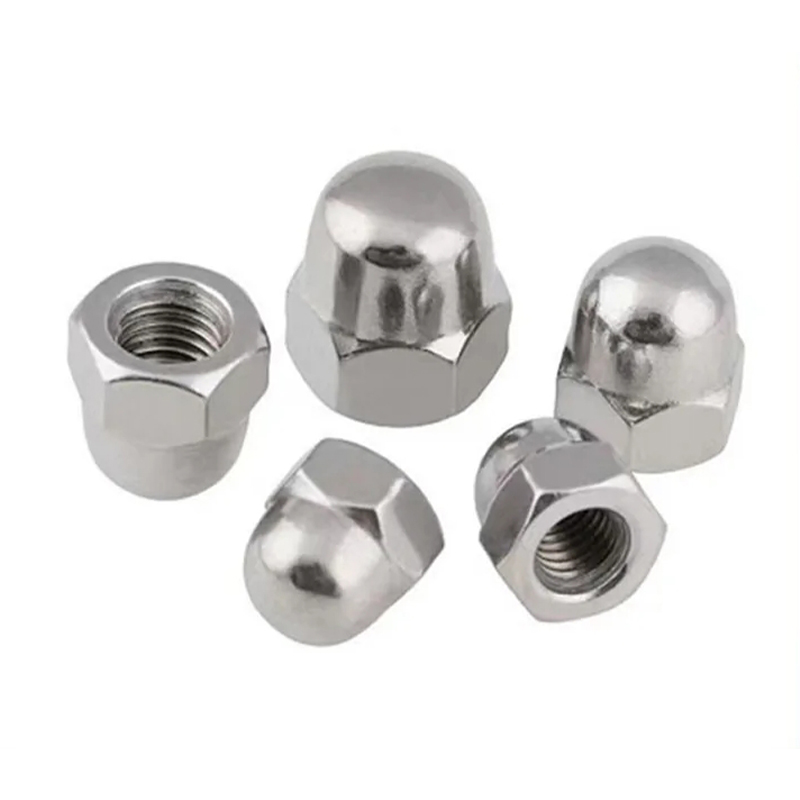
A high-strength hexagonal head nut is a precision-engineered fastener designed to withstand extreme tensile and shear loads in critical industrial applications. Manufactured from alloy steels such as Grade 8, Grade 10, or ASTM A194 grades, these nuts feature a hexagonal outer shape for easy wrench engagement and internal threads that match high-tensile bolts. They are essential for securing structural connections in construction, heavy machinery, automotive assemblies, and power generation infrastructure where failure is not an option.
What Defines a High-Strength Hexagonal Head Nut?
In the realm of industrial fastening, not all nuts are created equal. A standard commercial nut may suffice for light-duty assembly, but high-strength environments demand components that maintain clamping force under vibration, thermal expansion, and dynamic loading. The term “high-strength” refers specifically to the mechanical properties of the material, primarily its proof load and hardness.
These fasteners are typically heat-treated through quenching and tempering processes to achieve specific metallurgical structures. This treatment enhances the yield strength, allowing the nut to resist deformation even when tightened to high torque values. The hexagonal head design remains the industry standard because it provides six flat surfaces for tool engagement, offering a balance between accessibility and torque transmission capability.
For engineers and procurement specialists, understanding the distinction between property classes is vital. In the metric system, classes like 8, 10, and 12 denote increasing levels of strength. In the imperial system, Grades such as 5, 8, and DH (Double Hex) serve similar hierarchical functions. Selecting the correct grade ensures that the nut does not become the weak link in a bolted joint.
Key Material Specifications and Standards
The performance of a hexagonal head nut is dictated by international standards. Compliance with these standards ensures interoperability and safety across global supply chains. Common specifications include:
- ISO 898-2: Specifies mechanical properties for metric nuts with specified proof loads.
- ASTM A563: Covers carbon and alloy steel nuts for general structural and mechanical uses.
- ASTM A194: Standard for alloy steel and stainless steel bolting materials for high-pressure and high-temperature service.
- DIN 934 / DIN EN ISO 4032: European standards defining dimensions and technical requirements for hexagon nuts.
Handan Shengtong Fastener Manufacturing Co., Ltd., established in 2018 in Hebei Province’s fastener hub, adheres strictly to these global benchmarks. By integrating advanced R&D with rigorous quality control, the company ensures that every high-strength hexagonal head nut meets the precise tolerance and hardness requirements demanded by modern engineering projects.
Manufacturing Process: From Raw Steel to Precision Fastener
Creating a high-strength hexagonal head nut involves a multi-stage manufacturing process that transforms raw wire or bar stock into a precision component. Each step influences the final mechanical integrity of the product.
1. Material Selection and Cutting
The process begins with selecting high-quality alloy steel wire or rods. Common materials include medium-carbon steel (e.g., C45, 1045) or alloy steel (e.g., 40Cr, 35CrMo) for higher grades. The raw material is cut to specific lengths, known as blanks, which correspond to the volume required for the final nut size.
2. Cold Forging (Heading)
Cold forging is preferred for high-strength nuts because it work-hardens the metal, improving its grain structure and strength without the need for excessive heat. The blank is placed in a die and struck by a punch to form the hexagonal shape. This method produces a smoother surface finish and tighter dimensional tolerances compared to hot forging.
3. Tapping and Threading
After heading, the center hole is punched or drilled, followed by tapping. Tapping cuts the internal threads that will engage with the bolt. For high-strength applications, thread accuracy is critical. Poorly formed threads can lead to stripping under load. Modern CNC tapping machines ensure that thread pitch and diameter remain within strict ISO or ANSI limits.
4. Heat Treatment
This is the most critical stage for achieving “high-strength” status. The nuts undergo quenching (rapid cooling) to harden the steel, followed by tempering (reheating to a lower temperature) to reduce brittleness. This balance creates a microstructure that is both hard and tough. Handan Shengtong utilizes controlled atmosphere furnaces to prevent decarburization, ensuring the surface hardness matches the core.
5. Surface Treatment and Coating
To protect against corrosion and enhance appearance, nuts receive surface treatments. Common options include zinc plating, hot-dip galvanizing, black oxide, or Dacromet coating. For high-strength nuts, hydrogen embrittlement is a risk during electroplating. Therefore, baking processes are often employed post-plating to relieve hydrogen stress, preserving the nut’s structural integrity.
Technical Parameters and Performance Metrics
When sourcing high-strength hexagonal head nuts, buyers must evaluate specific technical parameters. These metrics determine whether the fastener can handle the intended load conditions.
| Parameter | Deskribapen | Importance |
|---|---|---|
| Proof Load | The maximum load the nut can withstand without permanent deformation. | Critical for ensuring the nut maintains clamping force under stress. |
| Hardness (HV/HRC) | Measured via Vickers or Rockwell scales, indicating resistance to indentation. | Higher hardness correlates with higher strength but requires careful handling to avoid brittleness. |
| Thread Fit Class | Defines the tolerance range between the nut and bolt threads (e.g., 6H for metric). | Ensures smooth assembly and proper load distribution across threads. |
| Warranty Load | The load at which the nut is tested to ensure it does not strip or fail. | Validates the manufacturing quality and material consistency. |
| Coating Thickness | The micron level of protective coating (e.g., zinc). | Affects corrosion resistance and thread fit; too thick can cause assembly issues. |
Understanding these parameters helps in matching the nut to the corresponding bolt. A common engineering rule is that the nut’s strength should equal or exceed the bolt’s tensile strength. If a high-strength bolt is paired with a low-grade nut, the nut threads may strip before the bolt reaches its full capacity, leading to joint failure.
Applications of High-Strength Hexagonal Nuts
Due to their reliability and load-bearing capacity, high-strength hexagonal head nuts are ubiquitous in sectors where safety and durability are paramount.
Construction and Structural Steel
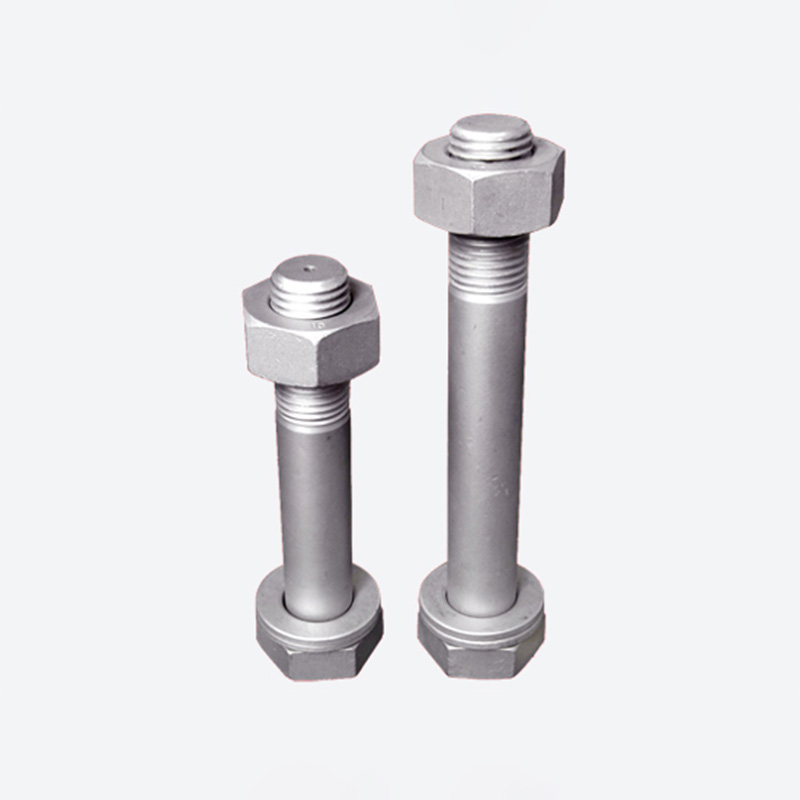
In skyscraper frameworks, bridges, and industrial plants, structural bolts and nuts connect steel beams and columns. These joints must resist wind loads, seismic activity, and the weight of the structure itself. High-strength nuts, often paired with ASTM A325 or A490 bolts, provide the necessary clamping force to prevent slippage between steel plates.
Automotive and Transportation
Vehicles experience constant vibration and dynamic forces. Engine mounts, suspension systems, and chassis components rely on high-strength fasteners to remain secure over millions of cycles. Failure in these areas can lead to catastrophic accidents. Therefore, automotive manufacturers specify nuts with high fatigue resistance and consistent preload retention.
Power Generation and Energy
Wind turbines, oil rigs, and power plants operate in harsh environments with extreme temperatures and pressures. Flange connections in pipelines and turbine housings require nuts that can maintain seal integrity under thermal cycling. ASTM A194 Grade 2H or 7 nuts are commonly used here due to their ability to withstand high temperatures and corrosive media.
Heavy Machinery and Equipment
Mining excavators, agricultural tractors, and manufacturing robots subject their fasteners to shock loads and heavy vibration. High-strength hexagonal nuts prevent loosening in these dynamic environments, reducing maintenance downtime and enhancing operational safety.
Handan Shengtong Fastener Manufacturing Co., Ltd. serves these diverse industries by providing customized solutions. Whether it is a specialized coating for offshore marine environments or precise dimensional tolerances for automated assembly lines, the company’s “Quality first, customer supreme” philosophy drives its product development.
How to Choose the Right High-Strength Hexagonal Nut
Selecting the appropriate nut involves more than just matching the thread size. Engineers and procurement managers should consider several factors to optimize performance and cost.
1. Match the Property Class
Always select a nut grade that matches or exceeds the bolt grade. For example, use a Class 10 nut with a Class 10.9 bolt. Using a lower-grade nut compromises the joint’s overall strength. Conversely, using a significantly higher-grade nut than necessary may increase costs without adding value.
2. Consider Environmental Conditions
If the application involves exposure to moisture, chemicals, or salt spray, corrosion resistance is key. Stainless steel nuts (A2/A4) offer good corrosion resistance but may have lower strength compared to alloy steel. For high-strength needs in corrosive environments, alloy steel nuts with robust coatings like Dacromet or hot-dip galvanizing are preferable.
3. Evaluate Temperature Range
Standard carbon steel nuts may lose strength at elevated temperatures. For applications exceeding 300°C, alloy steel nuts designed for high-temperature service (such as ASTM A194 Grade 7) are required. Similarly, for cryogenic applications, materials must retain toughness at low temperatures to prevent brittle fracture.
4. Check for Certification and Traceability
For critical applications, ensure the manufacturer provides material test reports (MTRs) and certification of compliance with relevant standards. Traceability allows you to verify the chemical composition and mechanical properties of each batch, ensuring consistency and safety.
Common Mistakes in Fastener Selection and Installation
Even the highest quality nut can fail if selected or installed incorrectly. Avoiding these common pitfalls is essential for maintaining joint integrity.
- Mixing Metric and Imperial Threads: Never force a metric nut onto an imperial bolt or vice versa. This damages the threads and creates a weak joint that is prone to stripping.
- Over-Torquing: Applying excessive torque can stretch the bolt beyond its yield point or strip the nut threads. Always use a calibrated torque wrench and follow manufacturer specifications.
- Ignoring Lubrication: Friction affects torque readings. Unlubricated threads may require higher torque to achieve the same clamp load, potentially leading to overtightening. Use appropriate lubricants unless specified otherwise.
- Reusing High-Strength Nuts: High-strength nuts are often designed for single-use, especially in structural applications. Reusing them can result in reduced preload and increased risk of failure due to hidden damage or thread wear.
- Neglecting Washer Usage: Washers distribute the load and protect the surface. Using hardened washers with high-strength nuts prevents indentation and ensures accurate torque transfer.
Why Partner with Handan Shengtong Fastener Manufacturing?
In the competitive landscape of global fastener supply, choosing the right manufacturer impacts both product quality and supply chain efficiency. Handan Shengtong Fastener Manufacturing Co., Ltd. stands out as a reliable partner for businesses seeking high-strength hexagonal head nuts.
Located in Handan City, Hebei Province, the heart of China’s fastener industry, the company benefits from a mature industrial ecosystem. Established in 2018, Handan Shengtong has rapidly grown into a modern manufacturing enterprise specializing in R&D, production, and sales. Its strategic location allows for efficient sourcing of raw materials and streamlined logistics for global exports.
The company’s commitment to “Quality first, customer supreme” is evident in its production practices. Advanced CNC equipment, automated heat treatment lines, and rigorous quality inspection systems ensure that every nut meets international standards. From construction to automotive sectors, Handan Shengtong provides diversified fastener solutions tailored to specific client needs.
Moreover, the company offers competitive wholesale pricing without compromising on quality. By optimizing production efficiency and maintaining strict cost controls, Handan Shengtong delivers value to B2B clients looking for reliable, high-volume supplies. Their expertise in high-precision manufacturing makes them an ideal partner for projects requiring tight tolerances and consistent performance.
Frequently Asked Questions (FAQ)
What is the difference between a standard nut and a high-strength nut?
Standard nuts are typically made from low-carbon steel and are suitable for general-purpose applications with low load requirements. High-strength nuts are manufactured from medium-carbon or alloy steel and undergo heat treatment to achieve higher hardness and proof loads. They are designed for critical applications where joint failure could have severe consequences.
Can high-strength hexagonal nuts be reused?
It is generally recommended not to reuse high-strength nuts, particularly in structural or safety-critical applications. Reuse can lead to thread damage, loss of preload, and potential hydrogen embrittlement issues if coated. For non-critical applications, reuse may be acceptable if the threads are inspected and found to be undamaged.
How do I prevent corrosion on high-strength nuts?
Corrosion can be prevented by selecting nuts with appropriate surface coatings such as zinc plating, hot-dip galvanizing, or geometric coatings like Dacromet. For extreme environments, stainless steel or alloy steel nuts with specialized coatings are recommended. Regular maintenance and inspection also help identify early signs of corrosion.
What torque values should be used for high-strength nuts?
Torque values depend on the nut’s size, grade, and lubrication status. Refer to engineering tables provided by standards organizations (such as ISO or ASTM) or the manufacturer’s specifications. Using a torque wrench and following recommended procedures ensures the correct clamp load is achieved without damaging the fastener.
Does Handan Shengtong offer custom specifications?
Yes, Handan Shengtong Fastener Manufacturing Co., Ltd. specializes in providing diversified fastener products and solutions. They can customize dimensions, materials, and coatings to meet specific project requirements, ensuring compatibility with unique engineering designs.
Conclusion: Securing Your Projects with Reliable Fasteners
Indar handiko hexagonala buruko intxaurs are small components with a massive impact on the safety and longevity of industrial structures. From skyscrapers to wind turbines, their ability to maintain clamping force under extreme conditions is indispensable. Understanding the technical specifications, manufacturing processes, and application requirements is crucial for making informed procurement decisions.
For businesses in construction, machinery, automotive, and power industries, partnering with a reputable manufacturer like Handan Shengtong Fastener Manufacturing Co., Ltd. ensures access to high-quality, compliant, and cost-effective fastener solutions. With a focus on precision, quality, and customer satisfaction, Handan Shengtong supports your projects with reliable products that stand the test of time.
Whether you need standard high-strength nuts or customized fastening solutions, verifying the supplier’s capabilities and quality standards is the first step toward project success. Ensure your supply chain is backed by expertise and reliability.
→ Ready to optimize your fastener supply chain? Contact our team today to request a quote, discuss custom specifications, or learn more about our high-strength hexagonal head nut offerings. Explore our full range of industrial fastener solutions and secure your next project with confidence.