- English
- Chinese
- French
- German
- Portuguese
- Spanish
- Russian
- Japanese
- Korean
- Arabic
- Irish
- Greek
- Turkish
- Italian
- Danish
- Romanian
- Indonesian
- Czech
- Afrikaans
- Swedish
- Polish
- Catalan
- Esperanto
- Hindi
- Lao
- Albanian
- Amharic
- Armenian
- Azerbaijani
- Belarusian
- Bengali
- Bosnian
- Bulgarian
- Cebuano
- Chichewa
- Corsican
- Croatian
- Dutch
- Estonian
- Filipino
- Finnish
- Frisian
- Galician
- Georgian
- Gujarati
- Haitian
- Hausa
- Hawaiian
- Hebrew
- Hmong
- Hungarian
- Icelandic
- Igbo
- Javanese
- Kannada
- Kazakh
- Khmer
- Kurdish
- Kyrgyz
- Latin
- Latvian
- Lithuanian
- Luxembou..
- Macedonian
- Malagasy
- Malay
- Malayalam
- Maltese
- Maori
- Marathi
- Mongolian
- Burmese
- Nepali
- Norwegian
- Pashto
- Persian
- Punjabi
- Serbian
- Sesotho
- Sinhala
- Slovak
- Slovenian
- Somali
- Samoan
- Scots Gaelic
- Shona
- Sindhi
- Sundanese
- Swahili
- Tajik
- Tamil
- Telugu
- Thai
- Ukrainian
- Urdu
- Uzbek
- Vietnamese
- Welsh
- Xhosa
- Yiddish
- Yoruba
- Zulu
- Kinyarwanda
- Tatar
- Oriya
- Turkmen
- Uyghur




Phillips Stainless Steel Self Tapping Screws | Wholesale Supplier
2026-11-04
- What Are Phillips Stainless Steel Self-Tapping Screws?
- Why Choose Stainless Steel for Self-Tapping Applications?
- Technical Specifications and Grade Comparison
- Manufacturing Excellence at Handan Shengtong Fastener
- Common Applications Across Industries
- How to Install Phillips Stainless Steel Self-Tapping Screws Correctly
- Selection Guide: Choosing the Right Screw for Your Project
- Frequently Asked Questions (FAQ)
- Conclusion: Secure Your Supply Chain with High-Quality Fasteners
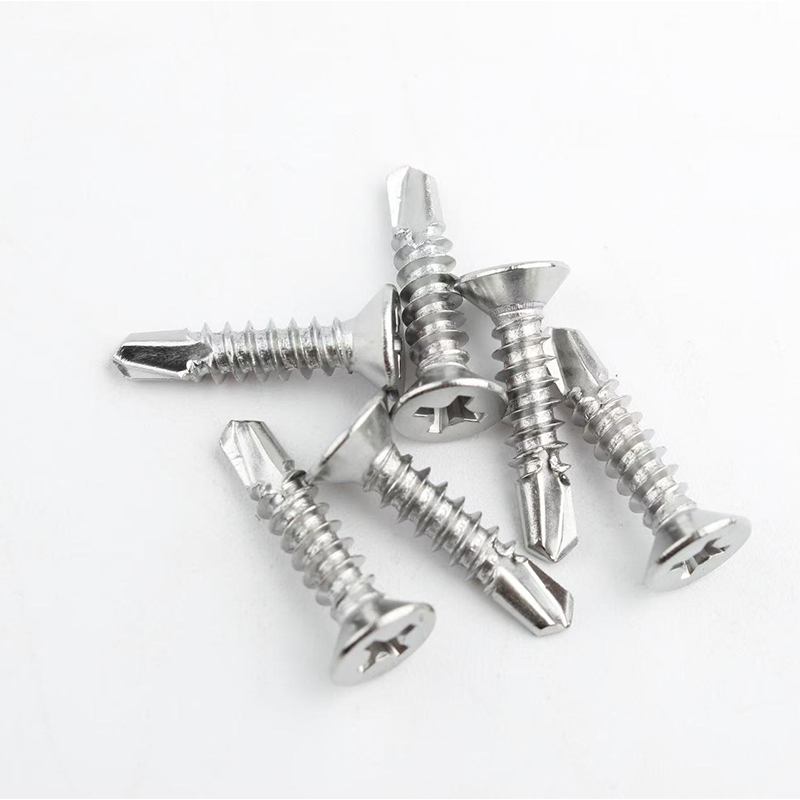
Phillips stainless steel self-tapping screws are precision-engineered fasteners designed to create their own threads in materials such as metal, plastic, and wood without the need for a pre-tapped hole. Combining the corrosion resistance of stainless steel (typically grades 304 or 316) with the high-torque drive capability of the Phillips cross-recess head, these screws offer a reliable solution for assembly in harsh environments. They are essential for industries requiring durable, rust-resistant connections, including automotive, marine, construction, and electronics manufacturing.
What Are Phillips Stainless Steel Self-Tapping Screws?
Self-tapping screws, often referred to as self-drilling or self-piercing screws depending on the tip geometry, are distinct from standard machine screws. The defining feature is their ability to cut or form threads into the substrate as they are driven in. When manufactured from stainless steel, these fasteners gain significant advantages in longevity and environmental resistance.
The “Phillips” designation refers to the drive type—a cross-shaped recess that allows for better centering than a slotted screw and higher torque transmission than many other drive types. This combination makes them ideal for automated assembly lines and manual installation where speed and reliability are critical.
Key Components and Design Logic
- Head Type: The Phillips head features a cruciform slot. While it has a tendency to “cam out” (slip) under extremely high torque compared to Torx drives, it remains the global standard for general-purpose assembly due to tool availability and ease of use.
- Material Composition: Stainless steel alloys, primarily AISI 304 and AISI 316, provide inherent resistance to oxidation. This is crucial for outdoor applications or environments exposed to chemicals and moisture.
- Thread Design: The threads are spaced wider apart than machine screws to allow for chip removal during the tapping process. The thread angle is optimized to bite into softer materials like aluminum or plastic without stripping.
- Point Geometry: Depending on the specific application, the point may be sharp (for wood/plastic), drill-like (Type A or B for thin metal), or auger-style (Type F for thicker steel).
Why Choose Stainless Steel for Self-Tapping Applications?
In industrial and commercial settings, material selection is not just about cost; it is about lifecycle performance. Carbon steel screws, even when zinc-plated, are susceptible to rust when the coating is scratched or compromised. Stainless steel eliminates this vulnerability through its metallurgical structure.
Corrosion Resistance and Durability
Stainless steel contains chromium, which forms a passive layer of chromium oxide on the surface. This layer protects the internal metal from corrosive elements. For Phillips stainless steel self-tapping screws, this means:
- Longer Service Life: Ideal for structures expected to last decades, such as building facades or outdoor machinery.
- Low Maintenance: Reduces the need for regular inspections and replacements caused by rust failure.
- Aesthetic Integrity: Maintains a clean, silver finish without unsightly rust stains, which is vital for visible architectural elements or consumer electronics.
Strength-to-Weight Ratio
While stainless steel is generally slightly less strong than hardened carbon steel in terms of tensile strength, modern manufacturing processes have significantly improved the grade performance. For most non-structural heavy-load applications, the trade-off for corrosion resistance is overwhelmingly positive. In sectors like aerospace and automotive, reducing weight while maintaining joint integrity is a primary engineering goal.
Technical Specifications and Grade Comparison
Selecting the right grade of stainless steel is critical for project success. The two most common grades used in fastener manufacturing are 304 and 316. Understanding the difference ensures that the fastener matches the environmental demands of the application.
| Feature | Stainless Steel 304 (A2) | Stainless Steel 316 (A4) |
|---|---|---|
| Composition | 18% Chromium, 8% Nickel | 16% Chromium, 10% Nickel, 2% Molybdenum |
| Corrosion Resistance | Excellent for general atmospheric conditions | Superior, especially against chlorides and acids |
| Typical Applications | Indoor machinery, dry construction, automotive interiors | Marine environments, chemical processing, coastal construction |
| Cost | More cost-effective | Premium pricing due to Molybdenum content |
| Magnetic Properties | Slightly magnetic (due to cold working) | Non-magnetic or slightly magnetic |
Understanding Thread Types: Type A, B, and F
The term “self-tapping” covers several distinct point styles. Choosing the wrong type can lead to stripped holes or failed joints.
- Type A: Features a gimlet point. Designed for use in soft materials like wood, plastic, and thin sheet metal. It requires a pilot hole in harder metals.
- Type B: Has a blunt point with a larger pitch. Suitable for heavier gauge sheet metal and castings. It generally requires a pilot hole.
- Type F (Self-Drilling): Often confused with self-tapping, these have a drill-bit-like tip. They can penetrate and tap light-gauge steel without a pilot hole. For true “self-drilling” capabilities in thicker steel, Tek screws (a proprietary design often replicated) are used, but standard Type F works well for thinner gauges.
Manufacturing Excellence at Handan Shengtong Fastener
Quality in fastener manufacturing is not accidental; it is the result of precise engineering and rigorous quality control. Handan Shengtong Fastener Manufacturing Co., Ltd., established in 2018, has rapidly become a key player in the global supply chain for high-performance fasteners. Located in Handan City, Hebei Province—recognized as a pivotal hub for China’s fastener industry—the company leverages regional expertise and modern infrastructure to deliver superior products.
As a modern manufacturing enterprise, Handan Shengtong specializes in the research, development, production, and sales of fasteners. The company’s philosophy of “Quality first, customer supreme” is evident in every batch of Phillips stainless steel self-tapping screws produced. By adhering to strict international standards, the company provides high-strength, high-precision solutions tailored for the construction, machinery, automotive, and power industries.
Production Capabilities and Quality Control
The manufacturing process for stainless steel self-tapping screws involves several critical stages:
- Cold Heading: Wire is cut and formed into the screw blank under high pressure. This process aligns the grain structure of the steel, enhancing strength.
- Thread Rolling: Threads are formed by displacing material rather than cutting it. This work-hardens the threads, making them more resistant to stripping and wear.
- Heat Treatment (if applicable): While austenitic stainless steels (304/316) cannot be hardened by heat treatment like carbon steel, precise annealing ensures the material remains ductile enough for thread rolling without cracking.
- Surface Cleaning and Passivation: To maximize corrosion resistance, screws undergo cleaning to remove oils and contaminants, followed by passivation to enhance the natural oxide layer.
Handan Shengtong’s commitment to diversified product solutions means that clients can request custom lengths, diameters, and head configurations to meet specific engineering drawings. This flexibility is crucial for B2B buyers who require components that integrate seamlessly into their existing assembly processes.
Common Applications Across Industries
Aldakortasuna Phillips stainless steel self-tapping screws makes them indispensable across a wide range of sectors. Their ability to join dissimilar materials and withstand environmental stress opens up numerous use cases.
1. Construction and Architecture
In modern construction, speed and durability are paramount. These screws are widely used for:
- Attaching metal roofing and siding panels to steel frames.
- Securing drywall to metal studs.
- Assembling aluminum window and door frames.
- Fixing insulation boards and facade elements.
The corrosion resistance of stainless steel ensures that building envelopes remain watertight and structurally sound for years, preventing leaks caused by rusted fasteners.
2. Automotive and Transportation
Vehicles are subjected to vibration, temperature fluctuations, and road salts. Stainless steel self-tappers are used in:
- Interior trim assembly (dashboards, door panels).
- Under-hood components where heat and fluids are present.
- Body panel attachments in electric vehicles (EVs) where weight savings are critical.
- Trailer and caravan manufacturing, where exposure to the elements is constant.
3. Electronics and Appliances
Precision is key in electronics. Smaller diameter Phillips self-tapping screws are used to assemble:
- Consumer electronics housings (laptops, TVs).
- White goods like washing machines and refrigerators, where humidity is high.
- Control panels and electrical enclosures.
The Phillips drive allows for controlled torque application, preventing damage to delicate plastic casings.
4. Marine and Offshore
For any application near saltwater, Grade 316 stainless steel is the minimum requirement. These screws are used in:
- Boat deck fittings and hardware.
- Offshore wind turbine maintenance access panels.
- Dock and pier construction.
How to Install Phillips Stainless Steel Self-Tapping Screws Correctly
Even the highest quality fastener can fail if installed incorrectly. Proper installation technique ensures maximum holding power and prevents head stripping or material warping.
Step-by-Step Installation Guide
- Select the Right Bit: Use a high-quality Phillips bit (PH1, PH2, or PH3 depending on screw size). Worn bits are the primary cause of cam-out and stripped heads. Impact-rated bits are recommended for power drivers.
- Determine Pilot Hole Necessity: For hard metals or thick plastics, drill a pilot hole. The pilot hole diameter should be slightly smaller than the screw’s core diameter (the solid shaft excluding threads). For soft wood or thin sheet metal, a pilot hole may not be necessary.
- Set Torque Limits: If using an electric driver, set the clutch to a low-to-medium setting. Stainless steel is softer than hardened steel, so excessive torque can strip the threads in the base material or shear the screw head.
- Align Perpendicularly: Ensure the driver is perfectly aligned with the screw axis. Angled driving increases friction and the risk of cam-out.
- Drive Steadily: Apply consistent downward pressure while driving. Do not rush the final seating; allow the threads to fully engage.
- Stop at Flush: Drive the screw until the head is flush with the surface. Over-driving can strip the hole or damage the material; under-driving leaves the head protruding, creating a snag hazard.
Common Installation Mistakes to Avoid
- Using the Wrong Driver Size: A PH2 bit in a PH1 head will slip and damage the recess. Always match the bit to the screw specification.
- Ignoring Material Hardness: Attempting to self-tap into hardened steel without a proper drill point will break the screw. Know your substrate.
- Lack of Lubrication: While stainless steel has some self-lubricating properties, using a wax or oil lubricant on hard materials can reduce driving torque by up to 30%, extending bit life and preventing overheating.
Selection Guide: Choosing the Right Screw for Your Project
When sourcing Phillips stainless steel self-tapping screws, several factors must be considered to ensure optimal performance and cost-efficiency.
1. Material Compatibility
Match the screw grade to the environment. Use 304 for indoor or mild outdoor applications. Upgrade to 316 for coastal, marine, or chemical-heavy environments. Avoid using stainless steel screws with aluminum without proper isolation, as galvanic corrosion can occur between dissimilar metals.
2. Length and Diameter
The general rule of thumb is that the screw should penetrate at least twice the thickness of the material being fastened into the base material. For example, if attaching a 2mm sheet to a 3mm frame, a screw length of at least 7-8mm is required to ensure sufficient thread engagement.
3. Head Style
- Pan Head: Provides a large bearing surface, ideal for soft materials to prevent pull-through.
- Flat Head (Countersunk): Sits flush with the surface, providing a smooth finish. Requires a countersunk pilot hole.
- Wafer Head: A low-profile head that combines the benefits of pan and flat heads, suitable for sheet metal applications where height is a constraint.
Frequently Asked Questions (FAQ)
Can Phillips stainless steel self-tapping screws be used in hardwood?
Yes, but a pilot hole is highly recommended. Hardwood can exert significant radial pressure on the screw, potentially causing it to snap if the core diameter is small. Using a Type A point with a correctly sized pilot hole ensures a secure hold without breakage.
What is the difference between self-tapping and self-drilling screws?
All self-drilling screws are self-tapping, but not all self-tapping screws are self-drilling. Self-tapping screws cut threads into a pre-existing hole or soft material. Self-drilling screws have a specialized tip that drills its own hole before tapping threads, eliminating the need for a separate drilling step in thin metals.
Do stainless steel screws rust?
Stainless steel is highly resistant to rust, but not entirely immune. In extreme conditions, such as high chloride environments (saltwater) or when contaminated with iron particles from nearby grinding, surface rust (tea staining) can occur. Grade 316 offers superior protection against this compared to Grade 304.
Why do my Phillips screws keep stripping?
Stripping is usually caused by three factors: using a worn-out driver bit, applying too much torque, or using the wrong bit size (e.g., using a PH2 on a PH1 screw). Switching to impact-rated bits and ensuring proper alignment can significantly reduce stripping.
Is it safe to mix stainless steel screws with carbon steel components?
It is generally safe, but galvanic corrosion can occur if moisture is present. The stainless steel (cathode) can accelerate the corrosion of the carbon steel (anode). Using washers or sealants to isolate the metals can mitigate this risk.
Conclusion: Secure Your Supply Chain with High-Quality Fasteners
Phillips stainless steel self-tapping screws represent a critical component in modern assembly and construction. Their unique combination of ease of installation, corrosion resistance, and mechanical strength makes them the preferred choice for engineers and contractors worldwide. Whether you are assembling sensitive electronic devices, constructing durable building facades, or manufacturing automotive components, the quality of your fasteners directly impacts the integrity of your final product.
Choosing the right supplier is as important as choosing the right screw. Handan Shengtong Fastener Manufacturing Co., Ltd. stands ready to support your business with high-precision, reliable fastening solutions. With a focus on R&D and customer-centric service, we provide customized options that meet the rigorous demands of the construction, machinery, and power industries.
Don’t compromise on quality. Ensure your projects are built to last with fasteners that deliver consistent performance.
Ready to optimize your procurement?
Contact our technical team today to discuss your specific requirements, request samples, or receive a competitive wholesale quote for Phillips stainless steel self-tapping screws and other specialized fastener solutions.