- English
- Chinese
- French
- German
- Portuguese
- Spanish
- Russian
- Japanese
- Korean
- Arabic
- Irish
- Greek
- Turkish
- Italian
- Danish
- Romanian
- Indonesian
- Czech
- Afrikaans
- Swedish
- Polish
- Catalan
- Esperanto
- Hindi
- Lao
- Albanian
- Amharic
- Armenian
- Azerbaijani
- Belarusian
- Bengali
- Bosnian
- Bulgarian
- Cebuano
- Chichewa
- Corsican
- Croatian
- Dutch
- Estonian
- Filipino
- Finnish
- Frisian
- Galician
- Georgian
- Gujarati
- Haitian
- Hausa
- Hawaiian
- Hebrew
- Hmong
- Hungarian
- Icelandic
- Igbo
- Javanese
- Kannada
- Kazakh
- Khmer
- Kurdish
- Kyrgyz
- Latin
- Latvian
- Lithuanian
- Luxembou..
- Macedonian
- Malagasy
- Malay
- Malayalam
- Maltese
- Maori
- Marathi
- Mongolian
- Burmese
- Nepali
- Norwegian
- Pashto
- Persian
- Punjabi
- Serbian
- Sesotho
- Sinhala
- Slovak
- Slovenian
- Somali
- Samoan
- Scots Gaelic
- Shona
- Sindhi
- Sundanese
- Swahili
- Tajik
- Tamil
- Telugu
- Thai
- Ukrainian
- Urdu
- Uzbek
- Vietnamese
- Welsh
- Xhosa
- Yiddish
- Yoruba
- Zulu
- Kinyarwanda
- Tatar
- Oriya
- Turkmen
- Uyghur




Safety Standards and Selection Guide for Expansion Bolts in Rock Climbing
2026-11-11
- Introduction: The Critical Distinction Between Industrial and Climbing Anchors
- Understanding the Mechanics of Expansion Anchors in Rock
- Safety Standards and Certifications for Climbing Hardware
- Material Selection: Why Stainless Steel is Non-Negotiable
- Types of Expansion Bolts Used in Climbing
- Installation Best Practices for Climbing Anchors
- Why Industrial Fasteners Are Not Suitable for Climbing
- Selection Guide for Procurement and Route Setting
- Common Misconceptions and Risks
- FAQ: Frequently Asked Questions About Expansion Bolts in Rock Climbing
- Conclusion: Prioritizing Safety Through Proper Selection
Summary This comprehensive guide details the critical safety standards, material specifications, and selection criteria for expansion bolts used in rock climbing applications. It addresses the severe risks associated with using industrial-grade fasteners in life-safety contexts, outlines relevant UIAA and EN standards, and explains why specialized climbing hardware is non-negotiable for anchor installation. While Handan Shengtong Fastener Manufacturing Co., Ltd. provides high-quality industrial expansion anchors for construction and infrastructure, this article clarifies the distinct boundary between industrial fastening solutions and certified climbing protection, ensuring readers make informed, safe decisions for vertical environments.
Introduction: The Critical Distinction Between Industrial and Climbing Anchors
In the world of rock climbing, particularly in traditional climbing, sport climbing, and mountaineering, the reliability of anchors is paramount. An anchor is the final link in the chain of safety, holding a climber’s weight during a fall or while rappelling. Among the various types of anchors, hedapen boltxoak rock eskalada installations are a common method for securing permanent protection into solid rock. However, the term “expansion bolt” is broad and often misunderstood. In the general construction industry, expansion bolts are ubiquitous, used for securing machinery, steel structures, and facades to concrete or masonry. In climbing, the stakes are infinitely higher: failure does not result in property damage, but in potential fatality.
This article serves as a definitive safety standard and selection guide for anyone involved in the specification, installation, or understanding of expansion bolts in rock climbing contexts. It is crucial to establish immediately that standard industrial expansion bolts are not suitable for rock climbing. The dynamic loads, environmental exposure, and material requirements of climbing anchors differ significantly from those of static construction applications. While companies like Handan Shengtong Fastener Manufacturing Co., Ltd. excel in producing high-precision industrial fasteners for sectors such as construction, power infrastructure, and machinery, their products are engineered for static or predictable dynamic loads in controlled environments. Rock climbing anchors, conversely, must withstand unpredictable shock loads, extreme weathering, and corrosion over decades without maintenance.
The core keyword hedapen boltxoak rock eskalada often leads to confusion among DIY enthusiasts or inexperienced route setters who may consider using hardware store anchors. This guide aims to dispel these misconceptions by detailing the specific engineering standards, material science, and testing protocols that define legitimate climbing hardware. We will explore the mechanics of expansion anchors, the relevant international standards (UIAA, EN, CE), the importance of stainless steel grades, and the rigorous testing required to certify an anchor for life-safety use.
Understanding the Mechanics of Expansion Anchors in Rock
To understand why specific standards are necessary, one must first understand how an expansion anchor works in rock. Unlike concrete, which is a homogeneous, manufactured material with predictable compressive strength, rock is a natural, heterogeneous material. It varies widely in density, hardness, fracture patterns, and mineral composition. An expansion bolt relies on the principle of friction and mechanical interlock. When the bolt is tightened, a cone or sleeve expands against the walls of the drilled hole, creating radial pressure that holds the bolt in place.
Static vs. Dynamic Loads
The primary difference between industrial and climbing applications lies in the nature of the load. Industrial fasteners, such as those produced by Shengtong Fastener for steel structures or power facilities, are primarily designed to handle static loads or low-frequency vibrations. For example, a hexagon floor anchor bolt secures a machine to the ground; the forces are relatively constant and predictable. In contrast, a climbing anchor must withstand dynamic shock loads. When a climber falls, the rope stretches, absorbing energy, but the anchor still experiences a sudden, high-magnitude force. This impact factor can be several times the static weight of the climber. Standard industrial expansion bolts are not tested for these dynamic shock loads and may fail catastrophically under such conditions due to brittle fracture or slippage.
The Role of Rock Quality
The effectiveness of an expansion bolt is heavily dependent on the rock quality. In hard, intact rock such as granite or limestone, expansion bolts perform well because the rock can withstand the high radial pressures generated by the expanding sleeve without crumbling. In softer or fractured rock, such as sandstone or weathered shale, expansion bolts may fail because the rock cannot provide sufficient resistance to the expansion force. In such cases, glue-in bolts (chemical anchors) are often preferred because they distribute the load over a larger surface area and do not rely solely on radial pressure. However, even in ideal rock conditions, the bolt itself must be made of materials that resist corrosion and fatigue.
Safety Standards and Certifications for Climbing Hardware
The climbing industry is governed by strict international standards to ensure the safety of all participants. These standards are developed and maintained by organizations such as the Union Internationale des Associations d’Alpinisme (UIAA) and the European Committee for Standardization (CEN). Any hardware used for life-safety in climbing, including expansion bolts, must comply with these standards. It is important to note that industrial standards such as GB, ANSI, or DIN, while rigorous for construction purposes, do not cover the specific dynamic and environmental requirements of climbing.
UIAA and EN Standards
The primary standard for rock climbing anchors is the UIAA 151 standard, which is harmonized with the European Norm EN 958 for energy absorbers and EN 795 for anchor devices. Specifically, for permanent anchors in rock, the relevant certification ensures that the bolt can withstand a minimum number of falls at specified forces. For example, a certified climbing anchor must typically withstand multiple falls with a fall factor of 1.77, generating forces up to 12 kN (kilonewtons) or more, depending on the specific test protocol. Industrial expansion bolts are rarely, if ever, subjected to this type of dynamic testing.
Furthermore, the CE marking is a mandatory conformity marking for certain products sold within the European Economic Area (EEA). For climbing hardware, the CE mark indicates that the product has been assessed by a notified body and meets EU safety, health, and environmental protection requirements. A CE mark on an industrial bolt, such as a self-drilling screw or a standard hex bolt, certifies it for construction use, not for life-safety climbing applications. Consumers must look for specific CE certification related to personal protective equipment (PPE) or anchor devices, not general construction materials.
The Importance of Third-Party Testing
Reputable climbing hardware manufacturers submit their products to independent, accredited laboratories for testing. These tests include:
- Static Strength Testing: Determining the ultimate tensile strength and shear strength of the bolt.
- Dynamic Fall Testing: Simulating real-world falls to ensure the bolt does not fail under shock loading.
- Corrosion Resistance Testing: Exposing the bolt to salt spray and humid environments to assess its longevity in outdoor conditions.
- Installation Torque Testing: Ensuring the bolt can be installed correctly without stripping or failing during tightening.
Industrial fastener manufacturers, including Handan Shengtong Fastener Manufacturing Co., Ltd., conduct rigorous quality control and testing for their products, ensuring compliance with GB, ANSI, and DIN standards. These tests verify dimensional accuracy, tensile strength, and torque performance for industrial applications. However, these tests do not equate to the dynamic fall testing required for climbing certifications. Therefore, even high-strength industrial bolts should never be substituted for certified climbing anchors.
Material Selection: Why Stainless Steel is Non-Negotiable
The choice of material for expansion bolts in rock climbing is critical due to the harsh outdoor environment. Anchors are exposed to rain, snow, UV radiation, temperature fluctuations, and potentially salty air in coastal areas. Corrosion is the silent killer of climbing anchors. A bolt that looks intact on the surface may be severely compromised internally due to rust, leading to sudden failure.
Stainless Steel Grades: 304 vs. 316
For climbing anchors, Altzairu herdoilgaitza is the only acceptable material. Specifically, two grades are commonly used:
| Steel Grade | Composition | Corrosion Resistance | Application in Climbing |
|---|---|---|---|
| 304 Stainless Steel | 18% Chromium, 8% Nickel | Good resistance to atmospheric corrosion. Vulnerable to chlorides (salt). | Suitable for inland, dry climates. Not recommended for coastal or humid areas. |
| 316 Stainless Steel | 16% Chromium, 10% Nickel, 2% Molybdenum | Superior resistance to chlorides and acidic environments. Highly resistant to pitting and crevice corrosion. | The gold standard for climbing anchors, especially in coastal, humid, or polluted environments. |
The addition of molybdenum in 316 stainless steel significantly enhances its resistance to pitting corrosion, which is common in marine environments. For this reason, most professional route setters and climbing organizations mandate the use of 316 stainless steel for all new bolt installations. Using lower-grade materials, such as zinc-plated carbon steel or even 304 stainless in aggressive environments, poses a significant safety risk.
Avoiding Galvanic Corrosion
Galvanic corrosion occurs when two dissimilar metals are in electrical contact in the presence of an electrolyte (such as water). In climbing, this can happen if a stainless steel bolt is installed with a carbon steel hanger or washer. The less noble metal (carbon steel) will corrode rapidly, compromising the integrity of the anchor system. Therefore, all components of the anchor system—the bolt, the hanger, the nut, and the washer—must be made of compatible materials, ideally the same grade of stainless steel. Industrial fastener suppliers like Shengtong Fastener offer various surface treatments, including zinc plating and phosphate coating, for industrial applications. However, these coatings are not sufficient for the long-term, maintenance-free requirements of climbing anchors and should not be used in life-safety contexts.
Types of Expansion Bolts Used in Climbing
Within the realm of certified climbing hardware, there are several types of expansion bolts. Each has its own advantages and disadvantages, depending on the rock type and installation preferences.
Hamset-Style Bolts (Wedge Anchors)
Hamset-style bolts, also known as wedge anchors, are among the most common types of expansion bolts used in climbing. They consist of a threaded stud, a conical wedge, and a split sleeve. When the nut is tightened, the wedge is pulled into the sleeve, causing it to expand against the rock. These bolts are known for their high holding power and reliability in hard rock. They are relatively easy to install and remove if necessary, although removal is rarely done in practice. Certified hamset bolts are made from 316 stainless steel and are rigorously tested for dynamic loads.
Glue-In Bolts (Chemical Anchors)
While not strictly “expansion” bolts in the mechanical sense, glue-in bolts are a critical alternative in soft or fractured rock. They consist of a threaded rod inserted into a hole filled with epoxy resin. The resin bonds the bolt to the rock, distributing the load over a larger area. Glue-ins are often preferred in sandstone or limestone where mechanical expansion might crack the rock. They also offer superior corrosion resistance because there are no moving parts or crevices where water can accumulate. However, their installation is more complex and requires careful mixing and curing of the epoxy.
Self-Drilling Anchors (SDAs)
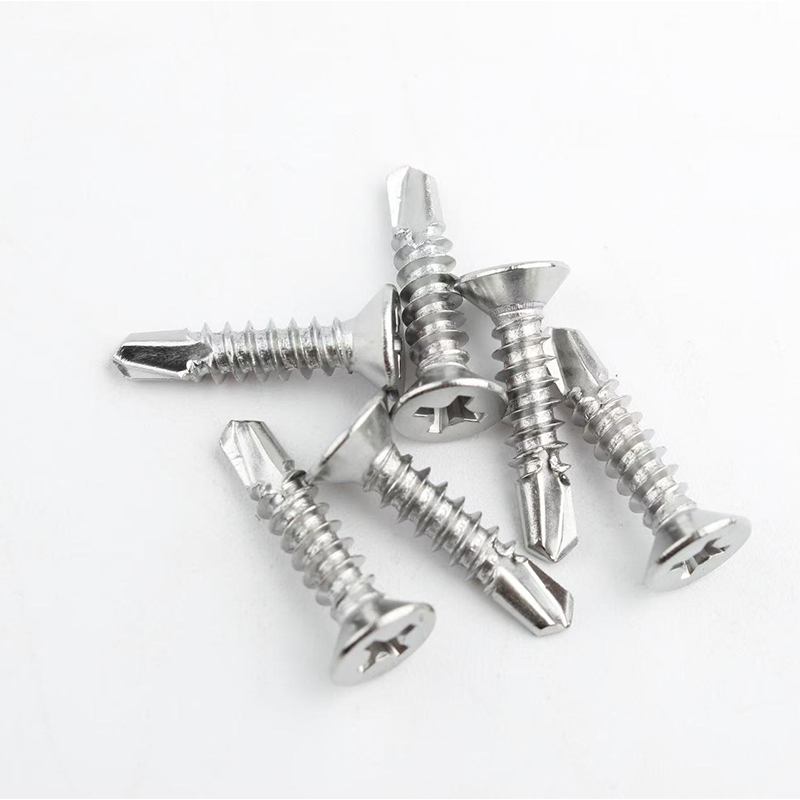
Self-drilling anchors are a newer technology that combines the drilling and installation steps. They have a hardened tip that allows them to drill into the rock, after which they are expanded using a setting tool. SDAs are faster to install and reduce the risk of hole misalignment. However, they require specialized tools and training for proper installation. Like other climbing anchors, they must be certified and made from appropriate stainless steel grades.
Installation Best Practices for Climbing Anchors
Even the highest quality, certified climbing anchor can fail if installed incorrectly. Proper installation is as important as the hardware itself. Route setters and installers must follow strict protocols to ensure the safety of the anchor.
Site Selection and Rock Assessment
Before drilling, the installer must assess the rock quality. The rock should be solid, free of cracks, and capable of supporting the anchor. Avoid placing anchors in loose or flaky rock, near large cracks, or in areas prone to water accumulation. The angle of the bolt should be perpendicular to the rock face to ensure optimal load distribution. Angled bolts can experience uneven stress and may pull out more easily.
Drilling and Cleaning
The hole must be drilled to the exact diameter and depth specified by the manufacturer. Using the wrong drill bit size can result in a loose fit or excessive expansion pressure, both of which compromise safety. After drilling, the hole must be thoroughly cleaned of dust and debris. Compressed air or a vacuum is typically used to remove rock flour, which can prevent the bolt from seating properly or interfere with the bonding of glue-ins. In industrial construction, cleaning protocols are also important, but the tolerance for error is much higher than in climbing.
Torque and Setting
For mechanical expansion bolts, proper torque is essential. Under-tightening may result in insufficient expansion and slippage, while over-tightening can strip the threads or damage the rock. A torque wrench should be used to apply the manufacturer-specified torque. For glue-ins, the epoxy must be mixed thoroughly and injected correctly to avoid air bubbles. Curing times must be respected before the anchor is loaded.
Inspection and Maintenance
Climbing anchors should be inspected regularly for signs of corrosion, loosening, or damage. Local climbing organizations often undertake bolting maintenance projects to replace old or compromised anchors. If an anchor shows any signs of rust, movement, or damage, it should not be used. In contrast, industrial fasteners in buildings or machinery are often part of a regular maintenance schedule where replacements are easier and less critical.
Why Industrial Fasteners Are Not Suitable for Climbing
Given the expertise of companies like Handan Shengtong Fastener Manufacturing Co., Ltd. in producing high-quality industrial fasteners, it is worth clarifying why their products, despite meeting stringent GB, ANSI, and DIN standards, are not appropriate for rock climbing. This distinction is vital for procurement officers, engineers, and climbers who may encounter both types of hardware.
Different Design Philosophies
Industrial fasteners are designed for cost-effectiveness, ease of mass production, and performance in static or predictable dynamic environments. They are optimized for applications such as securing steel beams, attaching machinery, or assembling furniture. The safety factors used in industrial design are based on the likelihood of property damage or injury in a controlled environment. In climbing, the safety factors are much higher because the consequence of failure is death. The margin for error is virtually zero.
Lack of Dynamic Testing
As mentioned earlier, industrial fasteners are not subjected to dynamic fall testing. A bolt that can hold 10 kN in a static pull test may fail at 5 kN in a dynamic fall due to the shock load. The energy absorption characteristics of the material and the geometry of the bolt are different in dynamic scenarios. Certified climbing anchors are specifically engineered and tested to absorb and withstand these shock loads.
Corrosion Resistance Requirements
While Shengtong Fastener offers surface treatments like zinc plating and phosphate coating, these are not sufficient for the long-term, maintenance-free exposure of climbing anchors. Zinc plating can corrode over time, especially in wet or salty environments, leading to hydrogen embrittlement or loss of structural integrity. Climbing anchors require the inherent corrosion resistance of high-grade stainless steel (316), which is not always the default material for industrial fasteners due to cost considerations.
Certification and Liability
Using uncertified hardware for climbing introduces significant liability issues. In the event of an accident, the use of non-certified anchors can lead to legal consequences for the installer, the route owner, or the organization responsible for the climb. Certified climbing hardware comes with a trail of documentation, testing reports, and liability insurance that industrial fasteners do not provide for this specific application.
Selection Guide for Procurement and Route Setting
For those involved in the procurement of climbing hardware or the setting of new routes, the following checklist ensures that the correct products are selected.
Verification of Certification
- Check for UIAA/CE Marking: Ensure the product bears the UIAA or CE mark specific to climbing anchors. Do not accept general construction certifications.
- Review Test Reports: Request and review the dynamic fall test reports from the manufacturer. Verify that the tests were conducted by an accredited laboratory.
- Confirm Material Grade: Ensure the bolts are made from 316 stainless steel, especially for outdoor or coastal installations.
Compatibility with Rock Type
- Hard Rock (Granite, Limestone): Mechanical expansion bolts (hamset-style) are suitable and cost-effective.
- Soft/Fractured Rock (Sandstone, Shale): Glue-in bolts are preferred to distribute load and prevent rock fracture.
- Coastal Environments: Always use 316 stainless steel and consider glue-ins to minimize crevices where salt can accumulate.
Supplier Evaluation
When evaluating suppliers, distinguish between industrial fastener manufacturers and specialized climbing hardware producers. Companies like Handan Shengtong Fastener Manufacturing Co., Ltd. are excellent partners for industrial needs, offering customization, bulk order execution, and coordinated logistics for construction and manufacturing sectors. Their vertically integrated production capability and adherence to ISO-influenced best practices ensure high-quality industrial products. However, for climbing anchors, seek out suppliers who specialize in climbing hardware and can provide specific climbing certifications. Do not attempt to source climbing anchors from general industrial suppliers unless they explicitly carry certified climbing lines.
Common Misconceptions and Risks
Several misconceptions persist regarding the use of expansion bolts in climbing. Addressing these is crucial for safety.
“It’s Just a Bolt”
Many people assume that a bolt is a bolt, and that a heavy-duty construction bolt is stronger than a climbing bolt. This is false. Strength is not the only factor; toughness, corrosion resistance, and dynamic performance are equally important. A brittle industrial bolt may snap under shock loading, while a tougher climbing bolt will deform but hold.
“Zinc-Plated is Good Enough”
Zinc plating provides some corrosion resistance, but it is not permanent. In outdoor climbing environments, zinc plating can degrade within a few years, leading to rust and potential failure. Stainless steel is the only acceptable material for long-term safety.
“I Can Test It Myself”
Individuals cannot replicate the rigorous testing protocols required for climbing certification. Home-made tests do not account for variable rock conditions, dynamic loads, or long-term corrosion. Only certified hardware should be used.
FAQ: Frequently Asked Questions About Expansion Bolts in Rock Climbing
Can I use standard expansion bolts from a hardware store for climbing?
No. Standard hardware store expansion bolts are not tested for dynamic shock loads and are often made from materials that are not sufficiently corrosion-resistant for outdoor climbing environments. Using them poses a severe risk of fatal accident.
What is the difference between UIAA and CE certification?
UIAA (Union Internationale des Associations d’Alpinisme) sets voluntary safety standards for climbing equipment. CE (Conformité Européenne) is a mandatory marking for products sold in the European Economic Area. For climbing anchors, CE marking is based on EN standards, which are often harmonized with UIAA standards. Both indicate that the product has been tested and meets safety requirements for climbing.
How often should climbing bolts be replaced?
There is no fixed lifespan for climbing bolts, as it depends on the environment, usage, and material. However, bolts should be inspected regularly. In corrosive environments, replacement may be needed every 5-10 years. In dry, inland areas, they may last longer. Any bolt showing signs of rust, looseness, or damage should be replaced immediately.
Is it safe to use glue-in bolts in wet conditions?
Glue-in bolts can be used in wet conditions, but the installation process requires care. The hole must be dry before injecting the epoxy, or the bond may be compromised. Some epoxies are designed for wet conditions, but manufacturer instructions must be followed strictly.
Why are climbing bolts so expensive compared to industrial bolts?
Climbing bolts are more expensive due to the specialized materials (316 stainless steel), rigorous testing protocols, certification costs, and lower production volumes. The cost reflects the high level of safety and reliability required for life-safety applications.
Conclusion: Prioritizing Safety Through Proper Selection
The selection of expansion bolts for rock climbing is a critical decision that directly impacts the safety of climbers. While the term “expansion bolt” is common in both industrial and climbing contexts, the requirements for each are vastly different. Industrial fasteners, such as those produced by Handan Shengtong Fastener Manufacturing Co., Ltd., are engineered for high-strength, high-precision applications in construction, machinery, and infrastructure. They meet rigorous GB, ANSI, and DIN standards and offer excellent value for industrial projects. However, they are not designed or certified for the dynamic, corrosive, and life-critical demands of rock climbing.
For climbing applications, only certified climbing anchors made from 316 stainless steel and tested according to UIAA or EN standards should be used. These anchors undergo specific dynamic fall testing and corrosion resistance assessments that industrial bolts do not. Route setters, procurement officers, and climbers must recognize this distinction and avoid the temptation to substitute industrial hardware for climbing gear. The cost savings are negligible compared to the potential loss of life.
By adhering to established safety standards, selecting appropriate materials, and following best installation practices, the climbing community can ensure that anchors remain reliable and safe for years to come. For industrial fastening needs, partnering with reputable manufacturers like Handan Shengtong Fastener Manufacturing Co., Ltd. ensures quality and reliability in construction and manufacturing projects. For climbing, always choose specialized, certified hardware from dedicated climbing equipment suppliers. Safety is not just a standard; it is a commitment to every climber who clips into your anchor.