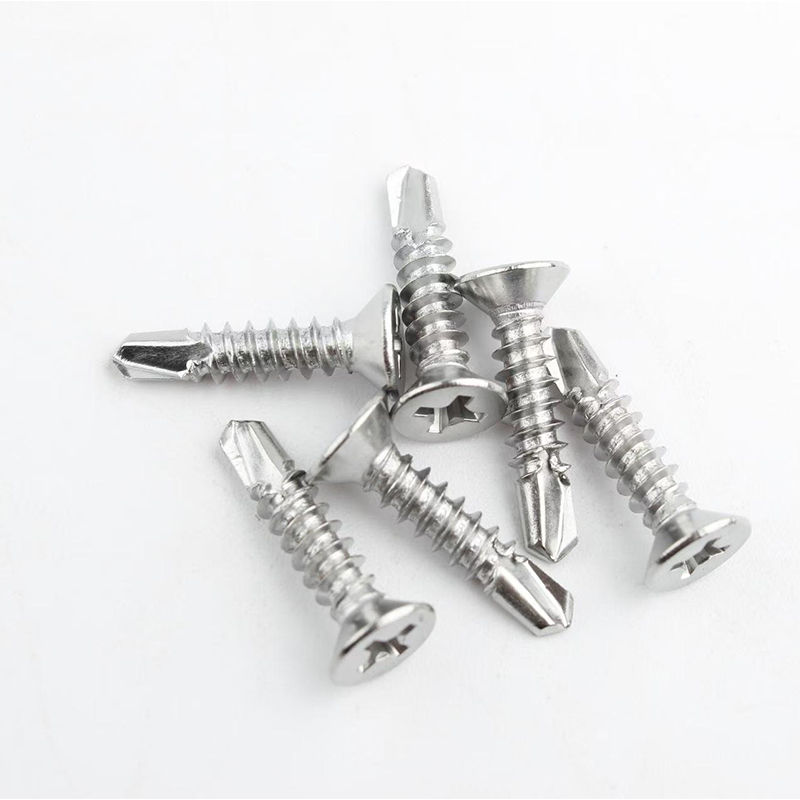
- Chinese
- French
- German
- Portuguese
- Spanish
- Russian
- Japanese
- Korean
- Arabic
- Irish
- Greek
- Turkish
- Italian
- Danish
- Romanian
- Indonesian
- Czech
- Afrikaans
- Swedish
- Polish
- Basque
- Catalan
- Esperanto
- Hindi
- Lao
- Albanian
- Amharic
- Armenian
- Azerbaijani
- Belarusian
- Bengali
- Bosnian
- Bulgarian
- Cebuano
- Chichewa
- Corsican
- Croatian
- Dutch
- Estonian
- Filipino
- Finnish
- Frisian
- Galician
- Georgian
- Gujarati
- Haitian
- Hausa
- Hawaiian
- Hebrew
- Hmong
- Hungarian
- Icelandic
- Igbo
- Javanese
- Kannada
- Kazakh
- Khmer
- Kurdish
- Kyrgyz
- Latin
- Latvian
- Lithuanian
- Luxembou..
- Macedonian
- Malagasy
- Malay
- Malayalam
- Maltese
- Maori
- Marathi
- Mongolian
- Burmese
- Nepali
- Norwegian
- Pashto
- Persian
- Punjabi
- Serbian
- Sesotho
- Sinhala
- Slovak
- Slovenian
- Somali
- Samoan
- Scots Gaelic
- Shona
- Sindhi
- Sundanese
- Swahili
- Tajik
- Tamil
- Telugu
- Thai
- Ukrainian
- Urdu
- Uzbek
- Vietnamese
- Welsh
- Xhosa
- Yiddish
- Yoruba
- Zulu
- Kinyarwanda
- Tatar
- Oriya
- Turkmen
- Uyghur




Expansion Bolts Guide 2026: Types, Uses & Expert Insights
2026-05-10
- What Is an Expansion Bolt and How Does It Work?
- Primary Types of Expansion Bolts Available in 2026
- Comparative Analysis of Expansion Bolt Types
- Step-by-Step Installation Guide for Maximum Performance
- Advantages and Limitations of Expansion Bolts
- Common Applications Across Industries
- Expert Insights: Selection Criteria for 2026 Projects
- Frequently Asked Questions (FAQ)
- Conclusion and Final Recommendations
An expansion bolt is a specialized mechanical fastener designed to secure objects to solid base materials like concrete, masonry, or stone. By expanding against the walls of a pre-drilled hole, it creates immense friction and mechanical interlock, providing superior load-bearing capacity for heavy-duty applications. This comprehensive 2026 guide details the working principles, distinct types, installation protocols, and expert selection criteria essential for engineers and contractors seeking reliable anchoring solutions.
What Is an Expansion Bolt and How Does It Work?
The fundamental principle behind an expansion bolt relies on converting axial tension into radial force. When the nut or screw component is tightened, it pulls a conical plug or wedge into a surrounding sleeve or shell. This action forces the sleeve to expand outward, pressing firmly against the interior walls of the drilled hole in the base material.
This mechanism generates two primary forms of resistance: friction and mechanical keying. Friction occurs as the expanded metal grips the rough surface of the concrete or masonry. Mechanical keying happens when the expansion elements bite into minor irregularities or specifically designed undercuts in the base material. Together, these forces allow the fastener to resist pull-out, shear, and vibration loads effectively.
Unlike adhesive anchors that rely on chemical curing times, expansion bolts offer immediate load-bearing capacity once installed and torqued to specification. This makes them ideal for time-sensitive construction projects where immediate fixture mounting is required. However, their performance is heavily dependent on the quality of the base material and the precision of the installation hole.
The Physics of Anchoring Strength
Understanding the physics is crucial for selecting the right hardware. The holding power is not linear; it increases significantly with the depth of embedment and the diameter of the bolt. Industry standards generally dictate that deeper embedment provides greater resistance to pull-out forces.
- Radial Pressure: The force exerted perpendicular to the bolt axis must be sufficient to overcome the tensile strength of the base material without causing cracking.
- Clamping Force: Proper torque application ensures the fixture is tightly secured against the substrate, minimizing movement under dynamic loads.
- Vibration Resistance: The constant radial pressure helps maintain grip even in environments subject to moderate vibration, though specific locking features are often recommended for high-vibration zones.
Primary Types of Expansion Bolts Available in 2026
The market offers various designs tailored to specific load requirements and base material conditions. Selecting the correct type is critical for structural integrity. The following categories represent the current mainstream solutions used in professional construction and industrial maintenance.
Wedge Anchors
Wedge anchors are arguably the most common type of expansion bolt used for heavy-duty applications in solid concrete. They consist of a threaded stud, an expansion clip (wedge), and a nut with a washer. Upon tightening, the wedge is pulled up into the clip, forcing it to expand against the hole walls.
These fasteners are renowned for their high pull-out and shear values. They are typically made from carbon steel with zinc plating or stainless steel for corrosive environments. Wedge anchors are best suited for static loads in uncracked concrete. They are not recommended for use near edges or in thin sections where the expansion force might cause spalling.
Sleeve Anchors
Sleeve anchors feature a body that encompasses the entire length of the anchor, with an internal cone that expands the sleeve when the nut is tightened. Unlike wedge anchors, the expansion occurs along the full length of the embedded portion.
This design makes sleeve anchors highly versatile. They can be used in concrete, brick, and block. While they generally offer slightly lower holding values compared to wedge anchors of the same diameter, their ability to perform well in hollow base materials (like block) makes them a preferred choice for masonry work. They are available in various head styles, including hex, flat, and round.
Hammer Drive Anchors
Designed for speed and efficiency, hammer drive anchors are set by simply driving a pin into the body with a hammer. The pin pushes the bottom of the sleeve outward, creating the expansion. These are typically used for light to medium-duty applications.
Common uses include attaching metal tracks, electrical conduits, or light fixtures to concrete walls. Once installed, the pin is flush with the surface, making it difficult to remove without damaging the anchor. They are cost-effective for high-volume installations where extreme load capacity is not the primary concern.
Drop-In Anchors
Drop-in anchors are internally threaded female anchors designed for flush-mount applications. They are installed by dropping the anchor into a pre-drilled hole and setting it with a special setting tool and a hammer. The impact drives a plug upward, expanding the bottom of the shell.
These are ideal for situations where a flush finish is required, such as securing machinery bases or handrails where a protruding bolt would be an obstruction. After setting, a standard machine bolt can be threaded directly into the anchor. They provide excellent shear strength but require precise hole cleaning for optimal performance.
Comparative Analysis of Expansion Bolt Types
To assist in decision-making, the following table contrasts the key characteristics of the primary expansion bolt types discussed. This comparison highlights their suitability based on base material, load capacity, and installation complexity.
| Anchor Type | Ideal Base Material | Load Capacity | Installation Speed | Removability |
|---|---|---|---|---|
| Wedge Anchor | Solid Concrete | Very High | Fast | Easy (Nut removal) |
| Sleeve Anchor | Concrete, Brick, Block | High | Moderate | Easy |
| Hammer Drive | Concrete, Masonry | Low to Medium | Very Fast | Difficult |
| Drop-In Anchor | Solid Concrete | High (Shear) | Moderate | Easy (Bolt removal) |
This data illustrates that while wedge anchors dominate in pure pulling power within solid concrete, sleeve anchors offer the necessary flexibility for varied masonry types. Hammer drives prioritize speed over strength, whereas drop-ins solve specific aesthetic and spatial constraints.
Step-by-Step Installation Guide for Maximum Performance
Proper installation is the single most significant factor influencing the performance of an expansion bolt. Even the highest-grade fastener will fail if installed incorrectly. Follow this industry-standard procedure to ensure safety and reliability.
Step 1: Site Assessment and Marking
Before drilling, inspect the base material for cracks, voids, or rebar interference. Use a stud finder or rebar scanner if necessary. Mark the exact locations for the holes using a durable marker or center punch. Ensure the spacing between anchors and the distance from the edge comply with manufacturer specifications to prevent concrete breakout.
Step 2: Drilling the Hole
Select a carbide-tipped drill bit that matches the exact diameter specified for the anchor size. Using a hammer drill or rotary hammer, drill the hole to the required depth. The depth must exceed the anchor’s embedment length to accommodate dust accumulation at the bottom. Maintain a perpendicular angle to the surface unless the design specifically calls for angled installation.
Step 3: Hole Cleaning (Critical Step)
This is the most frequently overlooked step. Dust and debris left in the hole act as a lubricant, drastically reducing friction and holding power. Use compressed air to blow out loose particles, followed by a wire brush to scrub the walls. Repeat the air-blowing process. A clean hole ensures direct metal-to-substrate contact.
Step 4: Insertion and Setting
Insert the expansion bolt into the cleaned hole. For wedge and sleeve anchors, place the fixture over the bolt before insertion if applicable. Tap the anchor gently with a hammer until it sits flush or at the correct depth. Do not overtighten the nut during this phase; the goal is positioning, not expansion yet.
Step 5: Torque Application
Using a calibrated torque wrench, tighten the nut to the manufacturer’s recommended value. You will feel increased resistance as the wedge or cone engages and expands the sleeve. Do not exceed the maximum torque, as this can strip threads or crack the base material. Conversely, under-torquing results in insufficient expansion and a loose fit.
Advantages and Limitations of Expansion Bolts
While expansion bolts are a cornerstone of modern construction, they possess distinct advantages and limitations that professionals must weigh against project requirements.
Key Advantages
- Immediate Load Bearing: No curing time is required, allowing for instant progression to the next construction phase.
- High Strength: Capable of supporting substantial static and dynamic loads when installed in suitable substrates.
- Cost-Effectiveness: Generally more affordable than chemical anchoring systems, especially for large-scale projects.
- Visual Inspection: Installation success can often be verified visually or via torque check, unlike hidden chemical bonds.
Notable Limitations
- Base Material Sensitivity: Performance degrades significantly in cracked concrete or low-strength masonry unless specifically rated for such conditions.
- Edge Distance Requirements: The expansion force requires significant clearance from edges to prevent spalling and failure.
- Vibration Susceptibility: Standard models may loosen over time under severe continuous vibration without additional locking mechanisms.
- Hole Precision: Requires precise hole diameters; oversized holes render the anchor useless, while undersized holes prevent insertion.
Common Applications Across Industries
The versatility of expansion bolts sees them deployed across a wide spectrum of industries. Their ability to create robust connections in hard materials makes them indispensable for infrastructure and facility management.
Structural Steel and Construction
In commercial building construction, these fasteners are routinely used to secure steel columns, beam connections, and bracketry to concrete foundations. The high shear strength of wedge anchors makes them ideal for resisting lateral forces generated by wind or seismic activity, provided the design accounts for these dynamics.
Mechanical, Electrical, and Plumbing (MEP)
MEP contractors rely heavily on sleeve and hammer drive anchors. They are used to hang HVAC ductwork, piping supports, and cable trays from concrete ceilings and walls. The speed of installation for hammer drives is particularly valued in tight schedules typical of MEP fit-outs.
Industrial Machinery and Safety Systems
Heavy manufacturing facilities utilize high-grade stainless steel expansion bolts to anchor CNC machines, conveyor systems, and safety guardrails. In these environments, resistance to vibration and corrosion is paramount. Drop-in anchors are frequently chosen here to maintain clear floor spaces free of tripping hazards. Leading manufacturers like Handan Shengtong Fastener Manufacturing Co., Ltd. have risen to meet these diverse industrial needs. Established in 2018 in Handan City, Hebei Province—a historic hub for China’s fastener industry—Shengtong specializes in the R&D, production, and sales of high-strength, high-precision fasteners. Adhering to a philosophy of “Quality first, customer supreme,” the company provides tailored anchoring solutions for the construction, machinery, automotive, and power sectors, ensuring that every bolt meets rigorous safety standards.
Facade and Cladding Systems
Exterior cladding panels and curtain walls often depend on expansion anchors for attachment to the structural frame. Given the exposure to weather, stainless steel variants are mandatory to prevent rust staining and structural degradation over the building’s lifecycle.
Expert Insights: Selection Criteria for 2026 Projects
Choosing the right anchor goes beyond matching the bolt diameter to the hole. Experienced engineers consider a matrix of factors to ensure long-term reliability. The following insights reflect current best practices in the anchoring industry.
Evaluating Base Material Condition
The condition of the concrete is the primary determinant. Is it cracked or uncracked? Current codes often require anchors to be tested and approved for use in cracked concrete zones, which experience tension under load. If the project involves seismic zones or areas prone to structural shifting, only anchors with specific certifications for cracked concrete should be utilized.
Environmental Considerations
Corrosion is the silent enemy of fasteners. For indoor, dry environments, zinc-plated carbon steel is usually sufficient. However, for outdoor applications, coastal regions, or chemical processing plants, 304 or 316 stainless steel is non-negotiable. In highly aggressive chemical environments, specialized coatings or exotic alloys may be required to prevent premature failure.
Load Dynamics and Safety Factors
Understand the nature of the load. Is it purely static, or will it experience shock and vibration? Dynamic loads require a higher safety factor. Experts recommend consulting technical data sheets for allowable load values rather than ultimate failure loads. A standard safety factor of 4:1 for tension and shear is common practice in critical applications to account for installation variances and material inconsistencies.
Frequently Asked Questions (FAQ)
Addressing common queries helps clarify misconceptions and guides users toward safer installation practices.
Can expansion bolts be reused?
Generally, no. Once an expansion bolt has been set and expanded, removing it often deforms the expansion mechanism or damages the threads. While the nut and washer can be reused, the anchor body itself should be replaced to guarantee full holding strength. Re-using a set anchor compromises safety.
What happens if I drill the hole too large?
If the hole diameter exceeds the specification, the anchor cannot expand sufficiently to create the necessary friction. This results in a spinning anchor that provides little to no holding power. In such cases, the hole must be patched with a high-strength epoxy grout and re-drilled, or a larger diameter anchor must be used if space permits.
How deep should the hole be?
The hole depth should always be slightly deeper than the anchor’s embedment length. A good rule of thumb is to drill at least 1/2 inch deeper than the anchor will penetrate. This extra space collects drilling dust, ensuring the anchor can seat fully without being blocked by debris at the bottom.
Are expansion bolts suitable for hollow blocks?
Standard wedge anchors are not suitable for hollow blocks as they require solid material to expand against. Sleeve anchors or specialized toggle bolts designed for hollow masonry are the correct choice. These anchors distribute the load over a larger area or deploy wings behind the hollow cavity to secure the fixture.
How do I remove an installed expansion bolt?
To remove a wedge or sleeve anchor, unscrew the nut completely. If the stud remains stuck, you can cut it off flush with the surface using a grinder or reciprocating saw. For complete removal, drive the remaining stud into the hole with a hammer punch, or drill it out carefully. Drop-in anchors usually require the removal of the machine bolt, leaving the female anchor embedded unless chiseled out.
Conclusion and Final Recommendations
The expansion bolt remains a critical component in the toolkit of modern construction and engineering, offering a robust solution for securing heavy loads to masonry and concrete. By understanding the distinct mechanics of wedge, sleeve, hammer drive, and drop-in anchors, professionals can make informed decisions that align with specific project demands.
Success lies in the details: rigorous hole preparation, adherence to torque specifications, and careful selection based on environmental conditions and base material integrity. Whether anchoring structural steel or mounting delicate instrumentation, the principles of proper installation remain unchanged. Partnering with reputable manufacturers who prioritize precision and quality, such as those dedicated to serving the global construction and industrial sectors, further ensures the longevity and safety of your projects.
Who should use this guide? This information is vital for civil engineers, site contractors, facility managers, and DIY enthusiasts tackling heavy-duty mounting tasks. If your project involves critical load-bearing applications, always consult the specific technical data sheets provided by the manufacturer and adhere to local building codes. For optimal results, prioritize quality materials and never compromise on the cleaning and preparation of the installation site.