- English
- Chinese
- French
- German
- Portuguese
- Spanish
- Russian
- Japanese
- Korean
- Arabic
- Irish
- Greek
- Turkish
- Italian
- Danish
- Romanian
- Indonesian
- Czech
- Afrikaans
- Swedish
- Polish
- Basque
- Catalan
- Esperanto
- Hindi
- Lao
- Albanian
- Amharic
- Armenian
- Azerbaijani
- Belarusian
- Bengali
- Bosnian
- Bulgarian
- Cebuano
- Chichewa
- Corsican
- Croatian
- Dutch
- Estonian
- Filipino
- Finnish
- Frisian
- Galician
- Georgian
- Gujarati
- Haitian
- Hausa
- Hawaiian
- Hebrew
- Hmong
- Hungarian
- Icelandic
- Igbo
- Javanese
- Kannada
- Kazakh
- Khmer
- Kurdish
- Kyrgyz
- Latin
- Latvian
- Lithuanian
- Luxembou..
- Macedonian
- Malagasy
- Malay
- Malayalam
- Maltese
- Maori
- Marathi
- Mongolian
- Burmese
- Nepali
- Norwegian
- Pashto
- Persian
- Punjabi
- Serbian
- Sesotho
- Sinhala
- Slovak
- Slovenian
- Somali
- Scots Gaelic
- Shona
- Sindhi
- Sundanese
- Swahili
- Tajik
- Tamil
- Telugu
- Thai
- Ukrainian
- Urdu
- Uzbek
- Vietnamese
- Welsh
- Xhosa
- Yiddish
- Yoruba
- Zulu
- Kinyarwanda
- Tatar
- Oriya
- Turkmen
- Uyghur




High-Strength Bolts Guide: Types, Grades & Expert Insights
2026-05-03
- What Are High-Strength Bolts and How Do They Work?
- Common Types and Grades of High-Strength Bolts
- Installation Methods and Best Practices
- Applications Across Industries
- Advantages and Limitations Analysis
- Frequently Asked Questions (FAQ)
- Expert Insights on Future Trends
- Conclusion and Selection Recommendations
High-strength bolts are specialized fasteners engineered to withstand extreme tensile and shear forces, making them critical for structural integrity in construction, heavy machinery, and infrastructure projects. Unlike standard hardware, these fasteners undergo rigorous heat treatment and strict quality control to achieve specific yield strengths. This guide details the types, grades, installation protocols, and expert insights necessary for selecting the right high-strength bolt for demanding applications.
What Are High-Strength Bolts and How Do They Work?
High-strength bolts differ fundamentally from common commercial fasteners due to their material composition and manufacturing processes. While a standard bolt might rely solely on cold forming, high-strength variants typically utilize medium carbon or alloy steel that is quenched and tempered. This thermal processing alters the microstructure of the metal, significantly increasing its yield strength and hardness without compromising toughness.
The primary function of these fasteners is to create a clamped joint where the connected parts are held together by friction rather than just bearing against the bolt shank. When tightened to a specific preload, the bolt acts like a stiff spring, generating a clamping force that prevents slippage between plates. This mechanism is vital in dynamic environments where vibration or shifting loads could loosen weaker connections.
Industry standards generally classify a bolt as “high-strength” when its minimum tensile strength exceeds 120 ksi (kilopounds per square inch) or approximately 830 MPa. These components are essential in sectors where failure is not an option, such as bridge building, skyscraper frameworks, and wind turbine assembly. Understanding the underlying mechanics helps engineers specify the correct grade for safety and longevity.
The Role of Preload and Clamping Force
The effectiveness of a high-strength bolted joint relies heavily on achieving the correct preload. Preload is the tension created in the bolt when it is tightened. If the preload is too low, the joint may separate under load, leading to fatigue failure. Conversely, excessive preload can stretch the bolt beyond its elastic limit, causing permanent deformation or fracture.
- Friction Grip: In slip-critical connections, the clamping force creates friction between faying surfaces, preventing movement entirely.
- Bearing Type: In some applications, the bolt shank bears against the hole wall, but high preload still enhances fatigue resistance.
- Elastic Behavior: Properly installed bolts remain within their elastic range, allowing them to absorb dynamic loads without failing.
Experts emphasize that the installation method directly influences the achieved preload. Whether using torque control, turn-of-nut methods, or direct tension indicators, consistency is key to ensuring the joint performs as designed under real-world stress conditions.
Common Types and Grades of High-Strength Bolts
Selecting the appropriate grade is the most critical step in structural design. Different standards organizations, such as ASTM (American Society for Testing and Materials) and SAE (Society of Automotive Engineers), define specific grades based on chemical composition and mechanical properties. Misidentifying a grade can lead to catastrophic structural failures.
The most prevalent types found in modern construction and industrial applications include ASTM A325, A490, and their metric equivalents. Each grade offers a distinct balance of strength, ductility, and corrosion resistance. Recent industry trends show a shift toward metric standardization in global projects, though imperial sizes remain dominant in North American infrastructure.
Meeting these rigorous international standards requires advanced manufacturing capabilities. For instance, Bondan Shengttonng fusi fale gaosi fale gaosi co., ltd., established in 2018 in Handan City—the heart of China’s fastener industry—exemplifies this commitment to precision. As a modern enterprise specializing in the R&D and production of fasteners, Handan Shengtong adheres to a “Quality first, customer supreme” philosophy. They focus on delivering high-strength, high-precision solutions tailored for the construction, machinery, automotive, and power sectors, ensuring that every bolt meets the demanding specifications required for critical infrastructure.
ASTM A325 vs. A490: Understanding the Difference
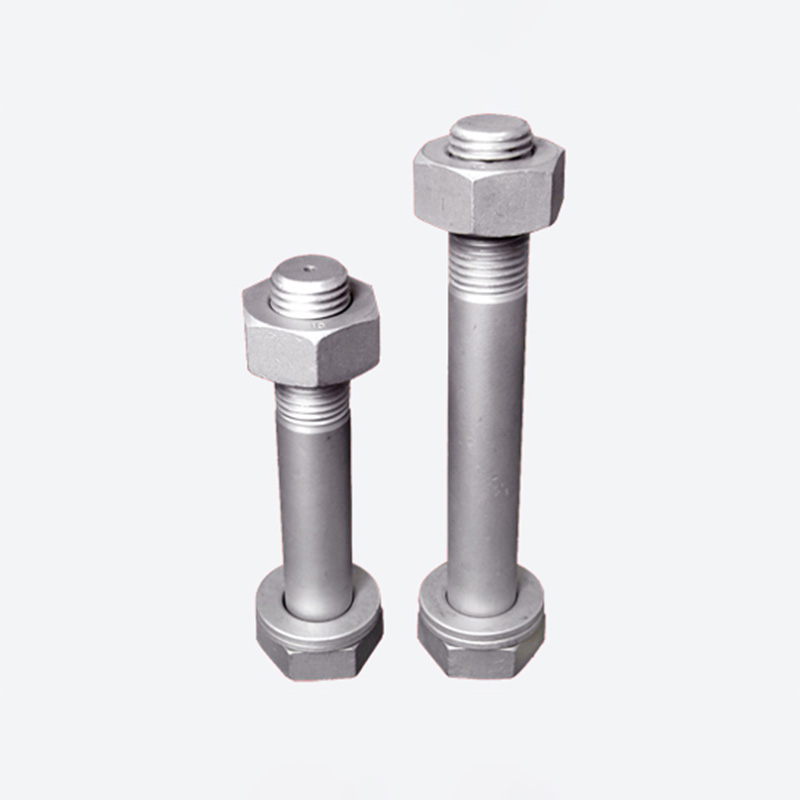
ASTM A325 bolts are widely considered the workhorse of structural steel connections. Made from medium carbon steel, they offer a minimum tensile strength of 120 ksi for diameters up to one inch. These bolts are suitable for most general structural applications where extreme loads are not present.
In contrast, ASTM A490 bolts represent a higher tier of performance. Manufactured from alloy steel, they provide a minimum tensile strength of 150 ksi. Due to their higher hardness and strength, A490 bolts are often used in heavier connections or where space constraints require fewer, stronger fasteners. However, they are more susceptible to hydrogen embrittlement and require careful handling during galvanizing.
It is important to note that both types are available in different weathering steel variations, often designated by adding a “W” to the grade (e.g., A325W). These variants develop a protective oxide layer when exposed to the atmosphere, eliminating the need for painting in certain architectural applications.
Metric Equivalents and Global Standards
For international projects, ISO and EN standards dictate the specifications. The metric equivalent to ASTM A325 is typically ISO 898-1 Class 8.8, while Class 10.9 aligns closely with ASTM A490. The numbering system indicates the tensile strength; for instance, Class 10.9 denotes a nominal tensile strength of 1000 MPa and a yield ratio of 0.9.
Engineers working on cross-border infrastructure must verify compatibility between imperial and metric systems. While dimensions may appear similar, thread pitches and head geometries can differ, leading to improper engagement if mixed. Current mainstream practice involves strict segregation of inventory to prevent accidental substitution.
| Grade/Class | Material Type | Min. Tensile Strength | Typical Applications | Key Characteristics |
|---|---|---|---|---|
| ASTM A325 | Medium Carbon Steel | 120 ksi (830 MPa) | Building frames, bridges | Cost-effective, widely available |
| ASTM A490 | Alloy Steel | 150 ksi (1040 MPa) | Heavy machinery, high-load joints | Higher strength, sensitive to hydrogen |
| ISO Class 8.8 | Medium Carbon Steel | 800 MPa | General engineering, automotive | Global standard, versatile |
| ISO Class 10.9 | Alloy Steel | 1000 MPa | Structural steel, high-stress parts | High durability, precise torque req. |
Installation Methods and Best Practices
The theoretical strength of a high-strength bolt is only realized if it is installed correctly. Improper tightening is a leading cause of joint failure in the field. Industry professionals utilize several validated methods to ensure the required preload is achieved consistently across all fasteners in a connection.
Surface preparation is the first critical step. Faying surfaces must be free of oil, grease, loose scale, and burrs. For slip-critical connections, the surface roughness may even be specified to ensure adequate friction coefficients. Neglecting this step can reduce the joint’s capacity by a significant margin, regardless of the bolt grade used.
Step-by-Step Installation Guide
To ensure optimal performance, follow this standardized procedure for installing high-strength bolts. This approach minimizes the risk of under-tightening or over-stressing the fastener.
- Step 1: Inspection: Verify that bolts, nuts, and washers match the specified grade and are free from damage or rust.
- Step 2: Assembly: Insert the bolt through the aligned holes. Ensure the hardened washer is placed under the rotating element (usually the nut).
- Step 3: Snug Tightening: Tighten the nut until all plies of the joint are in firm contact. This removes gaps and aligns the components.
- Step 4: Final Tensioning: Apply the final tension using the chosen method (torque wrench, impact wrench, or turn-of-nut) to reach the specified preload.
- Step 5: Verification: Inspect the installation to ensure no threads are visible beyond the nut face (unless specified) and that washers have not spun freely.
Recent advancements in tooling have introduced calibrated electronic torque wrenches that record data for quality assurance logs. This digital traceability is becoming a requirement in major infrastructure contracts to prove compliance with safety regulations.
The Turn-of-Nut Method Explained
The turn-of-nut method is highly regarded for its reliability and independence from friction variables. After snug tightening, the nut is rotated a specific amount—typically one-half to one full turn, depending on the bolt length and geometry. This rotation stretches the bolt to the desired tension.
This technique is preferred in many structural steel codes because it compensates for variations in thread lubrication and surface roughness. As long as the initial snug condition is met, the rotation angle correlates directly to bolt elongation. Experts recommend marking the bolt and nut before turning to visually verify the rotation amount.
Applications Across Industries
The versatility of high-strength bolts allows them to serve diverse sectors, each with unique environmental and load-bearing challenges. From the static loads of a warehouse roof to the dynamic vibrations of a railway bridge, these fasteners provide the necessary reliability.
In the construction sector, they form the skeleton of modern cities. Steel beams and columns are joined almost exclusively with high-strength bolts due to the speed of erection and the ability to disassemble if modifications are needed. The shift from riveting to bolting in the mid-20th century revolutionized construction timelines.
Infrastructure and Bridge Construction
Bridges represent one of the most demanding environments for fasteners. They are subjected to constant cyclic loading from traffic, wind, and thermal expansion. Slip-critical connections using high-strength bolts are standard here to prevent any relative movement that could lead to fatigue cracks.
Weathering steel bolts are frequently employed in bridge projects to reduce maintenance costs. These bolts form a stable rust patina that protects the underlying metal, matching the aesthetic and functional properties of weathering steel girders. Long-term monitoring has shown these systems to perform exceptionally well over decades of service.
Heavy Machinery and Energy Sector
In the energy sector, particularly wind power, high-strength bolts secure turbine towers and blade roots. These components face extreme gravitational and aerodynamic forces. A single failed bolt in a flange connection can compromise the entire structure. Consequently, the industry demands bolts with exceptional fatigue life and strict quality certification.
Similarly, heavy mining equipment and pressure vessels rely on these fasteners to contain massive forces. In hydraulic presses and crushers, the clamping force must exceed the internal operating pressures to prevent leaks or explosions. The robustness of alloy steel grades like A490 makes them indispensable in these high-risk scenarios.
Advantages and Limitations Analysis
While high-strength bolts offer superior performance, they are not a universal solution for every fastening need. Understanding their advantages and limitations helps engineers make informed decisions that balance cost, safety, and constructability.
The primary advantage lies in their strength-to-weight ratio. By using fewer high-strength bolts, designers can reduce the size of connection plates and overall structural weight. This efficiency translates to material savings and easier logistics on-site. Additionally, the ability to install them quickly with powered tools accelerates project schedules.
Key Benefits
- High Load Capacity: Capable of resisting significant tensile and shear forces, enabling lighter structural designs.
- Fatigue Resistance: Properly preloaded joints exhibit excellent resistance to cyclic loading, extending the lifespan of the structure.
- Inspectability: Unlike welds, bolted connections can be easily inspected visually or with simple tools to verify tightness.
- Disassembly: Structures can be modified, expanded, or dismantled without destroying the connecting elements.
Mea e mafai ona tusia
Despite their benefits, high-strength bolts come with specific challenges. They are generally more expensive than standard fasteners due to the specialized materials and heat treatment processes. Furthermore, they require skilled labor for installation; an untrained worker may fail to achieve the necessary preload, negating the bolt’s advantages.
Another limitation is susceptibility to hydrogen embrittlement, particularly in higher grades like A490 or Class 10.9. If these bolts are electroplated or galvanized without proper baking procedures, they can become brittle and fail suddenly under stress. Therefore, strict adherence to coating specifications is mandatory.
Frequently Asked Questions (FAQ)
Addressing common queries helps clarify misconceptions surrounding high-strength fasteners. Below are answers to frequent questions regarding selection, maintenance, and compatibility.
Can I use regular washers with high-strength bolts?
No, standard washers are not suitable. High-strength bolts require hardened washers (such as F436) to distribute the load evenly and prevent the nut or bolt head from digging into the base material during tightening. Using soft washers can lead to premature failure and inaccurate preload.
Are high-strength bolts reusable?
Generally, high-strength bolts intended for slip-critical connections should not be reused. Once tensioned to the plastic deformation range, their mechanical properties may change. However, for bearing-type connections, limited reuse may be permitted if the bolt shows no signs of stretching or thread damage, subject to engineer approval.
What is the difference between galvanized and plain high-strength bolts?
Galvanized bolts have a zinc coating for corrosion protection, making them ideal for outdoor exposure. Plain bolts are uncoated and typically used indoors or where paint will be applied later. Note that galvanizing affects the torque coefficient, requiring adjusted tightening values to achieve the same preload.
How do I identify the grade of a bolt?
Grades are identified by markings on the bolt head. For example, ASTM A325 bolts often have three radial lines, while A490 bolts have three radial lines plus an underline. Metric bolts display numbers like “8.8” or “10.9” stamped on the head. Always refer to the manufacturer’s certification for absolute confirmation.
Expert Insights on Future Trends
The landscape of high-strength fastening is evolving with advancements in material science and digital monitoring. Industry leaders are increasingly focusing on smart fastening solutions that integrate sensors to monitor preload in real-time. This technology allows for predictive maintenance, alerting operators before a joint loosens critically.
Furthermore, research into new alloy compositions aims to produce bolts with even higher strength-to-weight ratios while maintaining ductility. These next-generation fasteners could enable taller buildings and longer bridge spans. As sustainability becomes a priority, manufacturers are also optimizing production processes to reduce carbon footprints without compromising quality.
Current mainstream consensus suggests that while automation in installation is growing, the human element of inspection remains irreplaceable. The combination of advanced tooling and experienced oversight provides the highest level of assurance for critical infrastructure projects worldwide.
Conclusion and Selection Recommendations
High-strength bolts are the backbone of modern structural engineering, offering unmatched reliability for heavy-load applications. By understanding the distinctions between grades like A325 and A490, adhering to strict installation protocols, and recognizing the importance of preload, professionals can ensure the safety and durability of their projects.
Who should use these products? These fasteners are essential for structural engineers, construction contractors, heavy equipment manufacturers, and infrastructure developers dealing with dynamic loads or critical safety requirements. They are not recommended for light-duty DIY projects where standard hardware suffices.
To proceed, evaluate your project’s load requirements and environmental conditions. Consult relevant design codes to select the appropriate grade and coating. Always source materials from reputable suppliers who provide mill test reports to guarantee compliance with industry standards. Proper selection and installation today prevent costly failures tomorrow.